 by
by Rising gently above Lake Lucerne in central Switzerland, Mount Rigi has earned many affectionate titles over the centuries: the “Queen of the Mountains,” a panoramic balcony over the Alps, and a place of rest for weary minds. Yet beyond its scenic reputation lies something more subtle and deeply felt by visitors—an almost immediate sense of renewal. Many travelers arrive tired, overstimulated, or stressed, and leave feeling lighter, calmer, and unexpectedly energized. While no mountain offers magic in a scientific sense, Mount Rigi’s air, environment, and rhythm combine in a way that genuinely supports physical and mental well-being.
This article explores why so many people describe Mount Rigi as healing, focusing on the unique qualities of its air, landscape, and pace of life—and why the rejuvenation visitors feel often lingers long after they return home.
A Mountain Shaped for Human Comfort
Unlike dramatic, sharply peaked alpine giants, Mount Rigi rises in smooth, rolling forms. Its slopes are wide and open, inviting rather than intimidating. This gentler topography matters more than most people realize. Humans instinctively respond to landscapes that feel safe, spacious, and navigable. Rigi’s contours allow the body to relax rather than brace itself, creating an immediate sense of ease.

At elevations ranging from around 1,000 to just under 1,800 meters, Rigi sits in a sweet spot. The air is thinner and cleaner than at lake level, but not so high that breathing becomes difficult. For many visitors, this altitude feels invigorating without being taxing, helping explain why even light walks feel refreshing rather than exhausting.
Exceptionally Clean Alpine Air
One of the most frequently mentioned sensations on Mount Rigi is the air itself. Crisp, cool, and noticeably pure, it feels different from what many urban travelers are used to. Several factors contribute to this.
First, Rigi is surrounded by open water and forests. Lake Lucerne and Lake Zug act as natural air regulators, reducing dust and stabilizing humidity. Forests of spruce, fir, and beech filter airborne particles and release oxygen-rich air infused with natural plant compounds.

Second, the mountain is free from heavy industry and major highways. There is little air pollution, minimal noise pollution, and almost no lingering chemical smells. For lungs accustomed to city smog or dry, recycled indoor air, breathing on Rigi can feel like a reset.
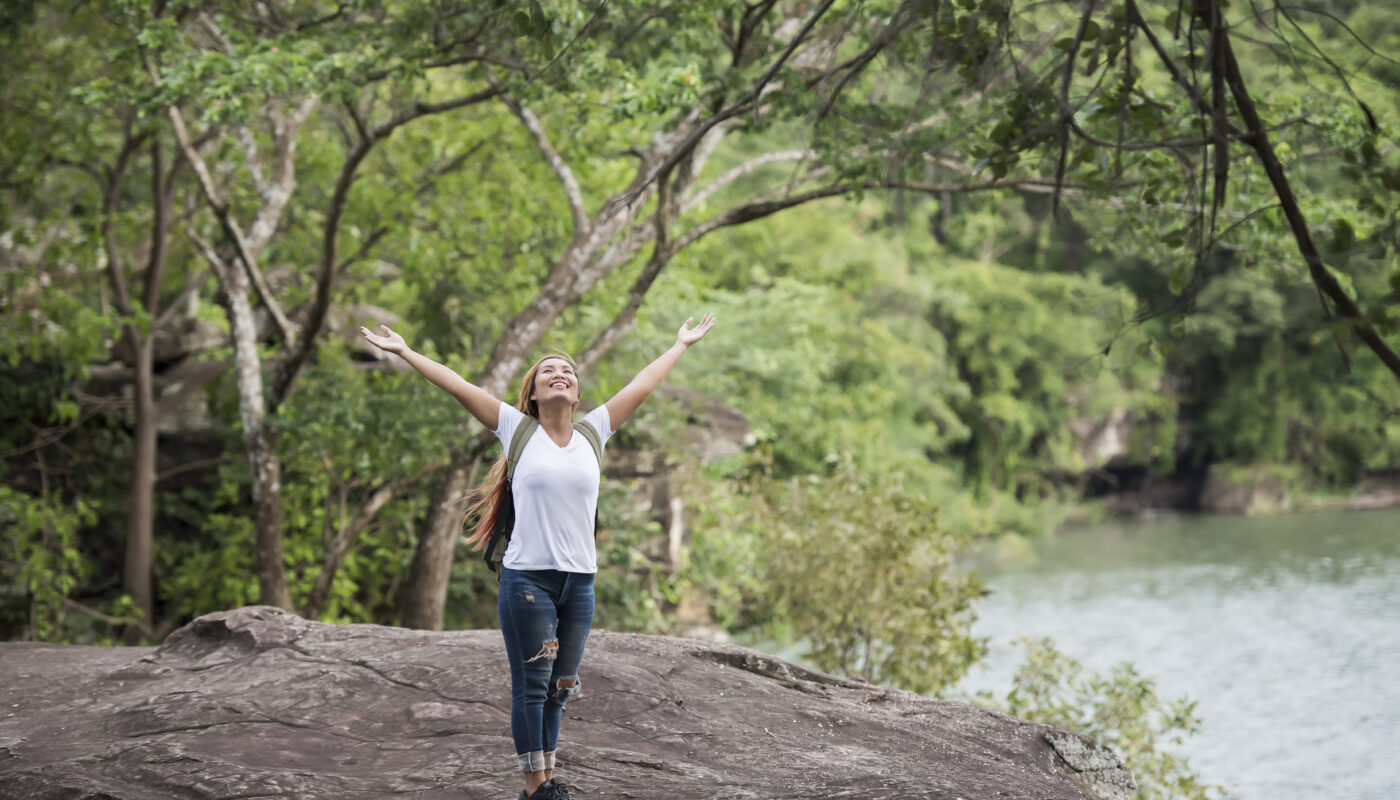
Visitors often notice deeper breaths happening naturally. This is not forced breathing or conscious relaxation—it’s a spontaneous bodily response to air that feels safe to inhale fully.
The Subtle Role of Negative Ions
Although not something most visitors think about consciously, alpine environments like Mount Rigi tend to have higher concentrations of negative air ions. These are naturally occurring molecules created by sunlight, water movement, and vegetation. While research on their effects is ongoing, many studies suggest that negative ions may help improve mood, reduce perceived stress, and support better sleep.
Rigi’s combination of elevation, frequent breezes, waterfalls, and open meadows creates ideal conditions for these ions to circulate. The result is not dramatic or immediate, but subtle and cumulative. After a day or two, many visitors report sleeping more deeply, thinking more clearly, and feeling emotionally lighter.
Slower Pace, Deeper Breathing
Healing does not happen through air alone—it requires space for the nervous system to unwind. Mount Rigi offers this space naturally.
There is no rush here. Trains arrive gently, not frantically. Paths encourage strolling rather than speed. Benches are positioned to invite sitting, not scrolling. Without realizing it, visitors begin to slow their walking pace, lengthen their pauses, and spend more time simply looking.
This slower rhythm allows the body to shift out of constant alert mode. Heart rates drop. Breathing deepens. Muscles release tension that may have been held unconsciously for months. The air supports this process, but the environment completes it.
A Landscape That Reduces Mental Noise
One reason Rigi feels restorative is its visual simplicity. While the views are expansive, they are not chaotic. Rolling green hills, distant alpine peaks, shimmering lakes, and wide skies create a sense of order and coherence. The brain responds positively to such environments, finding them easier to process than cluttered urban scenes.
This reduction in visual noise has a calming effect on the mind. Thoughts slow. Internal chatter softens. Visitors often describe feeling “mentally quiet” on Rigi—a rare state in modern life.
This mental stillness allows creativity, reflection, and emotional processing to emerge naturally. Many people leave Rigi with clarity about decisions or a renewed sense of purpose, even if they never consciously sought it.
Gentle Physical Movement as Medicine
Mount Rigi does not demand athleticism. Its trails are designed for enjoyment rather than conquest. Gentle inclines, well-maintained paths, and frequent resting spots encourage movement that feels nourishing rather than punishing.
This kind of low-intensity activity, combined with clean air, improves circulation, oxygenates the blood, and stimulates the lymphatic system. The body benefits without stress or strain. For visitors who are not regular hikers, this is especially important—movement feels accessible and rewarding rather than intimidating.
Walking on Rigi often feels different from walking elsewhere. Steps feel lighter. Breathing stays steady. Fatigue is replaced by a pleasant sense of warmth and calm.
The Psychological Effect of Open Horizons
From many points on Mount Rigi, the view stretches across multiple lakes and into several mountain ranges. This openness has a powerful psychological effect. Research suggests that expansive views can reduce feelings of anxiety and promote a sense of possibility.
When standing on Rigi, problems that once felt overwhelming often seem smaller. This is not escapism—it’s perspective. The air, the altitude, and the view work together to remind visitors of scale, helping them reconnect with a broader sense of life beyond immediate worries.
A Long History of Health and Retreat
Mount Rigi’s reputation for healing is not new. In the 19th century, it was a popular destination for artists, writers, and those seeking respite from industrial cities. Early travelers spoke of “restorative air” and “renewed spirits,” long before modern wellness terminology existed.
Sanatoriums and retreat houses once dotted the mountain, designed around the idea that clean air, gentle movement, and natural beauty could support recovery. While medical science has evolved, the core principles remain relevant—and visitors still experience the benefits intuitively.
Sound, Silence, and the Nervous System
Healing air is not only about what is inhaled, but also about what is absent. On Rigi, silence is not complete, but it is natural. Wind through grass, distant cowbells, birdsong, and the faint hum of a train replace sirens, engines, and constant digital noise.
This soundscape allows the nervous system to relax. The brain does not have to filter or defend itself against constant stimulation. In this quieter auditory environment, stress hormones decrease and a sense of safety increases.
Many visitors report feeling unusually calm without trying to relax. This effortless calm is one of the strongest signs of genuine restoration.
Better Sleep Comes Naturally
One of the most common experiences on Mount Rigi is improved sleep. Visitors fall asleep faster, wake less during the night, and rise feeling rested. Several factors contribute to this.
Clean, cool air supports better oxygen intake during sleep. Increased daytime movement helps regulate circadian rhythms. Reduced mental stimulation in the evenings allows the mind to settle more easily.
Even short stays often reset sleep patterns, and many travelers notice the difference immediately upon returning home.
Emotional Lightness and Reconnection
Beyond physical benefits, Mount Rigi often affects people emotionally. There is a sense of reconnection—to nature, to one’s body, and to a quieter inner state. The air seems to carry more than oxygen; it carries permission to pause.
Visitors often describe feeling more present, more patient, and more open. Conversations feel deeper. Meals taste better. Time feels less fragmented.
This emotional lightness is not dramatic or euphoric. It is gentle and steady, like a weight being set down rather than lifted suddenly.
Why the Feeling Lingers
Perhaps the most remarkable aspect of Rigi’s healing effect is how long it lasts. Many visitors carry the calm, clarity, and renewed energy with them after they leave. The memory of the air, the views, and the rhythm becomes a reference point—a reminder that life can feel spacious and balanced.
This lingering effect suggests that Rigi does not merely provide temporary relief. It teaches the body and mind what well-being feels like, making it easier to recognize and seek again.
Final Thoughts: More Than Just Fresh Air
Mount Rigi’s rejuvenating power cannot be reduced to a single factor. It is the result of clean alpine air, gentle altitude, quiet landscapes, slow movement, and a culture that values rest as much as activity.
Visitors do not come to Rigi to be healed in a clinical sense. They come to breathe, walk, look, and pause. In doing so, they often rediscover something they didn’t realize they were missing—a natural state of balance that modern life so easily disrupts.
In a world that constantly demands attention and speed, Mount Rigi offers something profoundly restorative: air that invites deeper breaths, silence that softens the mind, and a mountain that heals not by doing more, but by allowing less.