 by
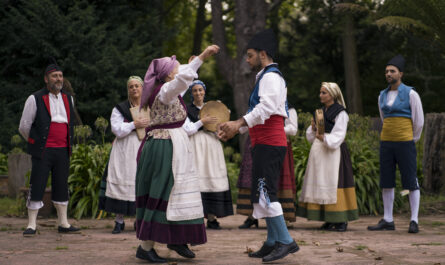
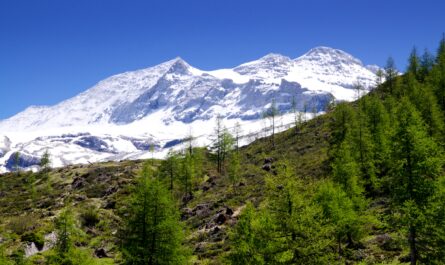
by Mount Rigi rises gently above Lake Lucerne, often called the “Queen of the Mountains.” While many visitors know it for panoramic views and peaceful walks, those who time their journey well discover another side of the region—one that is lively, musical, and deeply rooted in tradition. The villages surrounding Mount Rigi host seasonal celebrations that have been passed down for generations. These village fests are not staged performances; they are living expressions of Swiss communal life.
To experience a traditional Swiss village fest near Mount Rigi is to step into a rhythm shaped by seasons, faith, agriculture, and shared memory. Bells ring not for spectacle, but because they always have. Music fills the air not to entertain tourists, but to bring neighbors together. Food is prepared not as a novelty, but as a continuation of local identity.
This guide explores the spirit, structure, and significance of traditional village fests near Mount Rigi—and why attending one offers a deeper understanding of Swiss culture than any landmark alone.

What Makes a Swiss Village Fest Truly Traditional?
Swiss village fests differ from large festivals or city events in one essential way: they belong to the community before they belong to the calendar. Most are organized by local associations—music clubs, farming cooperatives, church groups, or volunteer committees—and many families participate year after year.
A traditional village fest usually includes:
- A seasonal or cultural reason for gathering
- Music rooted in folk traditions
- Food made from local or regional ingredients
- Processions, rituals, or symbolic acts
- Open participation rather than ticketed entry
Near Mount Rigi, these elements come together in particularly intimate ways because villages remain small and closely connected.
The Seasonal Pulse of Festivities Around Mount Rigi
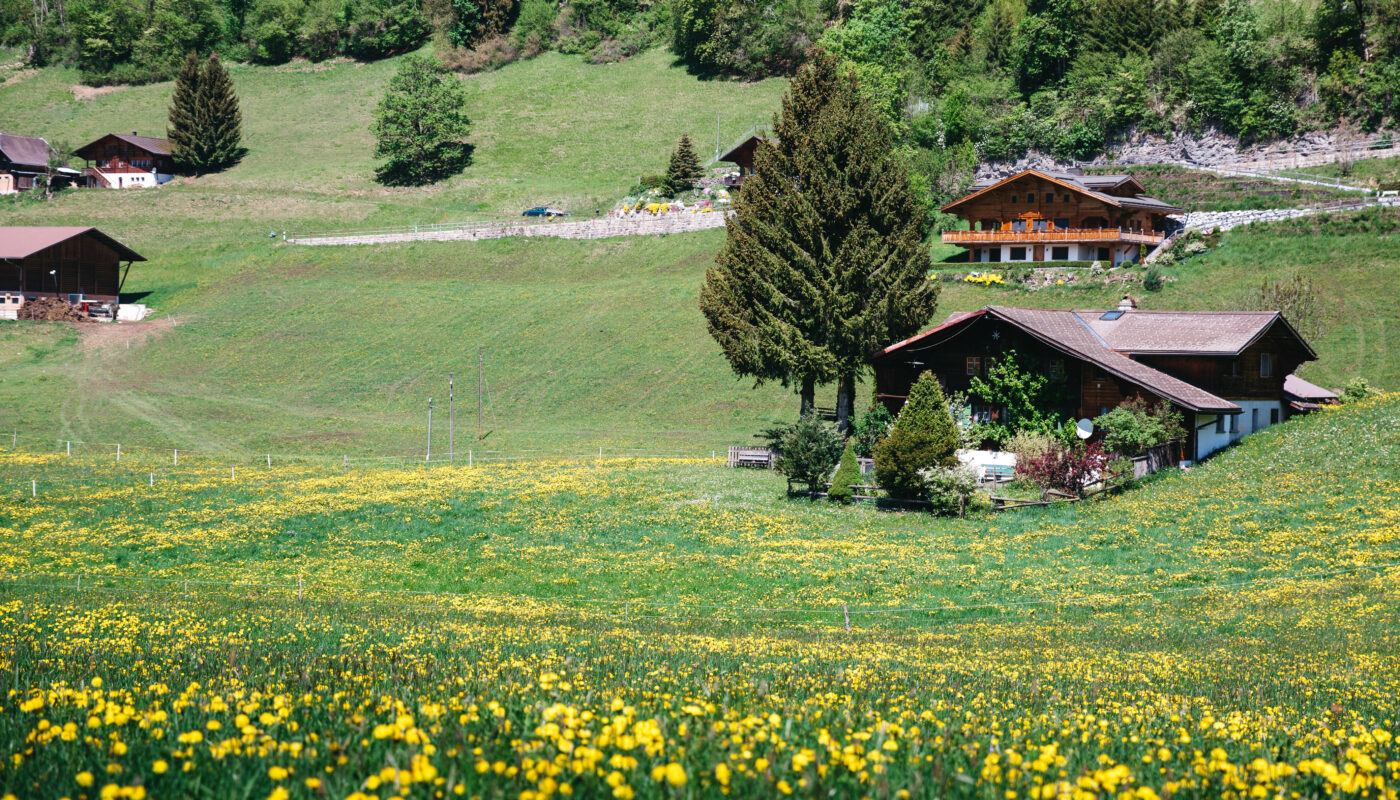
Village fests near Mount Rigi are closely aligned with the natural year. Each season brings its own type of celebration, reflecting what matters most at that time.
Spring: Renewal and Community Awakening
Spring festivals are modest but meaningful. After long winters, villages celebrate renewal—of land, work, and social life. These gatherings may include small fairs, church-related celebrations, or music evenings held outdoors for the first time of the year.
Rather than large processions, spring fests focus on togetherness. Long tables appear in village squares. Local bands rehearse openly. Children participate freely, signaling the return of daily outdoor life.
Summer: Music, Flowers, and Lakeside Joy
Summer is the most festive season around Mount Rigi. Villages such as Weggis, Vitznau, and smaller hamlets along the lake host lively but still locally grounded events.
Common features include:
- Folk music concerts featuring alphorns and accordions
- Flower-themed celebrations reflecting alpine blooms
- Evening dances and shared meals by the water
- Boat arrivals that turn the lake itself into part of the celebration
Despite their popularity, these events retain a village feel. Locals recognize each other across tables; visitors are welcomed without ceremony.
Swiss National Day: Shared Identity in a Mountain Setting
The most significant summer celebration is Swiss National Day on August 1. Around Mount Rigi, this day is marked by speeches, lanterns, bonfires on hillsides, and quiet fireworks reflected in the lake.
What distinguishes National Day in this region is restraint. Celebrations are symbolic rather than loud. Firelight often replaces fireworks. Alphorns echo across valleys. The emphasis is on shared values—independence, cooperation, and respect for landscape.
From Mount Rigi’s slopes, one can often see multiple villages celebrating simultaneously, creating a powerful sense of regional unity.
Autumn: The Alpabzug and Agricultural Gratitude
One of the most moving traditional events near Mount Rigi is the autumn cattle descent, known as the Alpabzug. After spending summer months grazing on high alpine pastures, cows are brought back to the valley, adorned with flowers, ribbons, and large bells.
This is not a parade for show. It marks the successful completion of a farming cycle and honors the relationship between humans, animals, and land.
Village fests tied to Alpabzug often include:
- Markets selling cheese, bread, and preserved foods
- Folk music played as herds pass through
- Communal meals celebrating the harvest
Visitors witnessing this event often describe it as unexpectedly emotional—a reminder of how deeply agriculture still shapes Alpine life.
Winter: Light, Sound, and Sacred Tradition
Winter village fests near Mount Rigi are fewer but profoundly atmospheric. As darkness falls early, celebrations emphasize light and sound.
One of the most dramatic traditions in the wider Rigi region is candlelit winter processions, where participants carry lanterns or illuminated symbols through village streets. Bells, drums, and chanting create a rhythm that feels ancient and powerful.
These occasions are solemn, symbolic, and profoundly ingrained in the history of the area; they are not celebratory in the traditional sense. Visitors are welcome, but expected to observe respectfully.
Music as the Heart of Every Fest
Music is the emotional backbone of Swiss village fests. Near Mount Rigi, traditional sounds include:
- Alphorns echoing across open spaces
- Yodeling performed in small groups
- Accordion-led folk dances
- Brass bands linked to village associations
Music is rarely amplified. Performances often occur in village squares, churchyards, or open meadows. The absence of large stages keeps performers and audience close, reinforcing a sense of shared participation rather than spectacle.
Food That Tells a Story
Food at village fests is never incidental. Menus reflect what the region produces and preserves:
- Grilled sausages made from local recipes
- Alpine cheeses served with bread
- Potato dishes prepared in large pans
- Seasonal pastries and nut-based desserts
Meals are often served at communal tables, encouraging conversation between locals and visitors. There is no rush. Eating is part of the celebration, not a break from it.
Etiquette: How to Attend Respectfully
Visitors are genuinely welcome at village fests, but a few simple practices help preserve their character:
- Dress comfortably but modestly
- Avoid blocking processions or performers
- Ask before taking close-up photos of people
- Follow local guidance during animal-related events
- Keep noise levels appropriate, especially in the evening
Understanding that these are community events—not performances—helps visitors blend in naturally.
Why These Fests Matter Today
In an increasingly globalized world, traditional village fests act as anchors. They maintain intergenerational bonds, reinforce local identity, and ensure that customs remain lived rather than archived.
Near Mount Rigi, these celebrations also protect the region from becoming a purely touristic landscape. By prioritizing community over commercial scale, villages retain control over how they are experienced.
For travelers, this means access to authenticity that cannot be replicated elsewhere.
Experiencing a Fest from Mount Rigi Itself
Mount Rigi’s unique position allows visitors to experience village fests from multiple perspectives:
- Participating directly in lakeside villages
- Observing lights and sounds from mountain viewpoints
- Combining quiet mountain evenings with festive days below
This balance between celebration and solitude is rare and deeply rewarding.
Final Reflection: More Than Events, a Way of Life
Traditional Swiss village fests near Mount Rigi are not highlights on a tourist calendar—they are expressions of continuity. They exist because people care enough to keep gathering, cooking, playing music, and walking familiar routes together.
To attend one is to witness Switzerland not as a postcard, but as a lived culture. For travelers willing to slow down, listen, and participate gently, these village fests offer something increasingly precious: a sense of belonging, even if only for an evening.