 by
by Situated between Lake Lucerne and Lake Zug, Mount Rigi—often called the Queen of the Mountains—rises majestically in central Switzerland, offering sweeping alpine panoramas and a mosaic of forests, pastures, and rocky ridges. While many visitors associate Rigi with panoramic railways, scenic hikes, and postcard views, the mountain also boasts a growing reputation as an excellent mountain biking destination. Riders can explore a rich network of trails suitable for a wide range of abilities, from smooth panoramic routes to steeper, technical descents.
This article is a complete guide for anyone interested in mountain biking on Mount Rigi—whether you are a beginner seeking scenic routes, an intermediate rider chasing flowy single tracks, or an advanced mountain biker ready for rugged challenges. We’ll cover the most popular trails, safety tips, best times to ride, local regulations, and how to make the most of your Rigi biking adventure.
Why Mountain Biking on Mount Rigi Is Special
Mount Rigi’s appeal to mountain bikers stems from a unique combination of features:

🌄 Scenic Diversity
Rigi delivers panoramic views of four lakes—Lake Lucerne, Lake Zug, Lake Lauerz, and Lake Ägeri—and the distant snow-capped Alps. Riding here feels like moving through a living panorama.
🛤️ Varied Terrain
The mountain’s geology produces a mix of wide gravel paths, forest tracks, grassy alpine meadows, and rocky single-track sections. This variety keeps rides dynamic and interesting.
🏞️ Connectivity
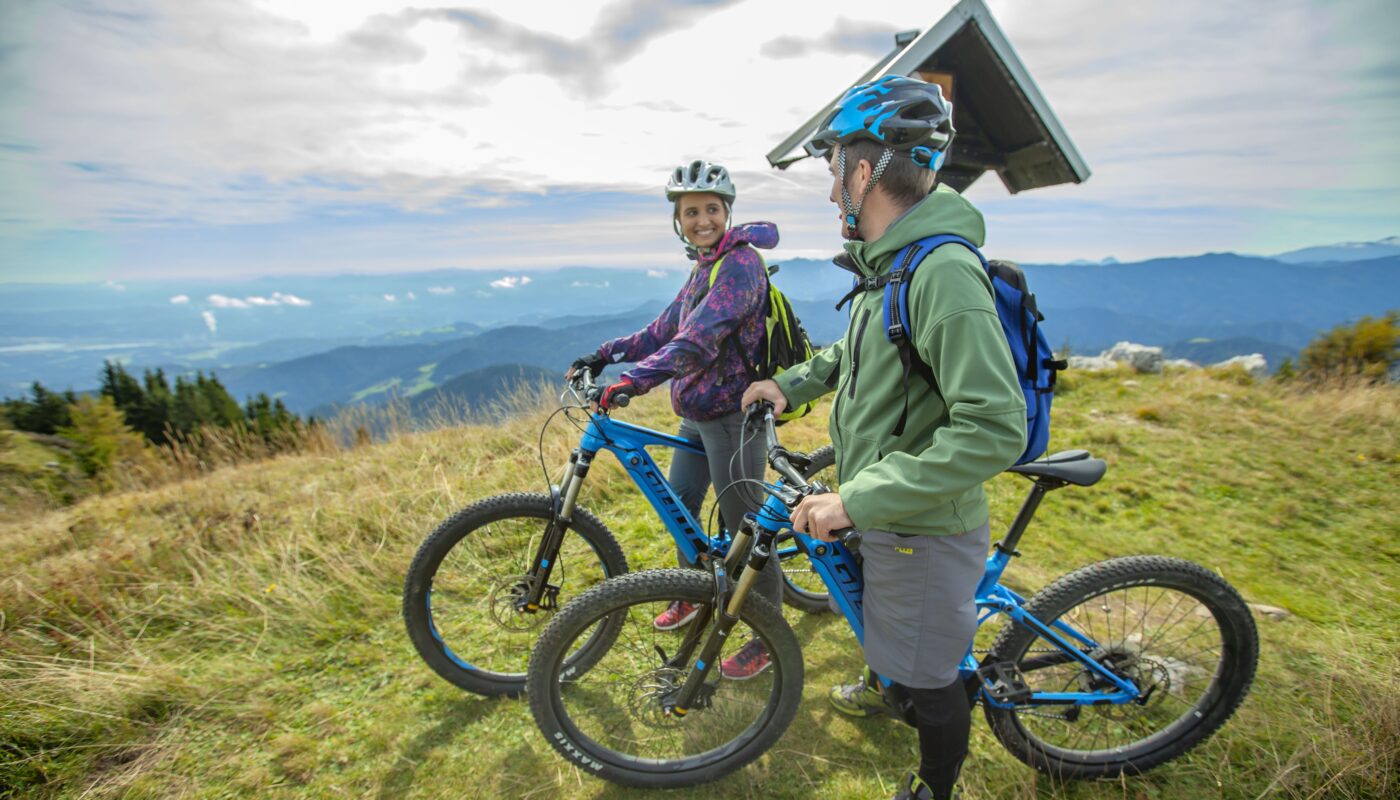
A network of interconnected trails means you can link different routes into loops, long rides, or shuttle days using local trains and lifts.
🚆 Trail Integration with Transport
Switzerland’s seamless public transport links make it easy to reach trailheads by train, cable car, or cogwheel railway — a huge convenience for bikers who want point-to-point rides or multi-day journeys.
Types of Trails on Mount Rigi
Before hitting the trails, it helps to understand the different kinds of routes you’ll encounter on Mount Rigi:
1. Panoramic Cruising Trails
These are generally wider, well-graded paths with gentle gradients designed for scenic enjoyment rather than gravity-fed speed.
- Best for: Beginners, families, and riders seeking views rather than technical challenge.
- Surface: Mostly gravel or firm earth.
- Highlights: Moderate climbs with spectacular lookout points.
2. Flow Trails
Flowy and fun, these are designed to carry you through curves, gentle berms, and natural contours.
- Best for: Intermediate riders who enjoy rhythm and momentum.
- Challenges: Some narrow sections, fast descents, and occasional roots.
- Highlights: Smooth, continuous rides free from overly steep gradients.
3. Technical Single Tracks
For experienced riders, Rigi offers sections where skill and composure are tested.
- Best for: Advanced riders with confidence on exposed terrain.
- Features: Steep descents, loose rock, narrow passages, and sudden turns.
- Reward: Adrenaline, challenge, and a big sense of achievement.
4. Enduro/Downhill Sections
Not all trails are purpose-built downhill lines, but several routes have steep, technical segments that resemble enduro or downhill terrain.
- Best for: Riders with good braking control, protective gear, and experience.
- Tips: Scout these areas first if unfamiliar; consider walking tricky parts.
Top Mountain Biking Trails on Mount Rigi
Here’s a breakdown of the most popular and rewarding biking routes on Mount Rigi, ordered roughly by difficulty:
🟢 1. Rigi Panorama Trail (Beginner – Intermediate)
Overview: A classic trail that forms the backbone of mountain biking on Rigi. It connects various viewpoints and ridgelines, offering extraordinary vistas with manageable effort.
Why it’s great:
- Smooth surface, rolling terrain.
- Ideal for scenic rides and photo breaks.
- Perfect introduction to Rigi biking.
Tips:
- Ideal for all seasons except late winter.
- Combine with a train ride up to Rigi Kulm for a point-to-point experience.
🟡 2. Rigi First to Kräbel Trail (Intermediate)
Overview: Starting near Rigi First, this trail descends through forested sections before opening to wider alpine views toward Kräbel.
Why it’s great:
- Gentle switchbacks.
- Good mix of flow and mild technical sections.
- Beautiful mix of wood and meadow scenery.
Challenges:
- A few rooty patches in shaded forest zones.
- Requires basic bike handling skills.
🔵 3. Rigi Kulm to Rigi Staffel (Intermediate)
Overview: A classic ridge run connecting Rigi Kulm—the highest accessible point—to Rigi Staffel.
Why it’s great:
- Continuous ridgeline trail.
- Easy navigation and breathtaking summit views.
- Short climbs and descents make it approachable.
Tips:
- Start at sunrise for striking lake views.
- Frequent rest spots to enjoy vistas.
🔴 4. Rigi Staffel to Weggis Descent (Advanced)
Overview: A longer, steeper route descending toward Weggis. It’s favored by strong riders seeking lasting descent and continuous flow.
Why it’s great:
- Extended descent with varied terrain.
- Great for endurance riders.
Challenges:
- Rocky sections and tight bends.
- Requires solid confidence braking and balance.
⚫ 5. Terrain Park and Technical Options (Advanced – Expert)
Some trail variations around Rigi lend themselves to more technical riding:
- Rock gardens near alpine ridges.
- Narrow forest single tracks with roots, drops, and quick pitch changes.
- Natural features requiring line choice and split-second decisions.
Important: Only expert riders should attempt these without prior scouting.
Planning Your Ride: Trail Logistics
🚆 Getting There
Mount Rigi is exceptionally accessible thanks to Switzerland’s efficient transit system:
- Trains and Cogwheel Railways: Regular connections from Lucerne or Arth-Goldau take you to Rigi Kulm, Rigi Kaltbad, or other trailheads.
- Cable Cars: Several lifts are bike-friendly and help you reach elevation without pedaling for hours.
- Park & Ride: If driving, designated parking areas in Weggis or Arth provide easy boarding points for trains/cable cars.
🚴 Bike Transport
Most trains and cable cars around Rigi allow bikes. Some require a small additional ticket for bicycles—check schedules and policies before setting off.
Gear & Safety Essentials
Riding alpine terrain requires thoughtful preparation. Here’s what every rider should consider:
🪖 Protective Gear
- Helmet: Always wear a full-face or mountain bike helmet.
- Gloves: Full-finger gloves for grip and protection.
- Pads: Knee and elbow pads recommended on technical trails.
- Back Protector: Useful if riding steeper, rockier terrain.
🧰 Bike Setup
- Tires: Tubeless or high-quality tubes for puncture resistance.
- Suspension: Front suspension is essential; full suspension benefits technical descents.
- Brakes: Well-adjusted disc brakes for variable conditions.
- Tools: Multi-tool, pump, spare tube, and quick links.
🧭 Riding Prepared
- Check Weather: Mountain weather changes fast. Avoid trails in rain or thunderstorms.
- Hydration & Nutrition: Carry water and energy snacks. Altitude and effort deplete reserves quickly.
- Trail Maps: Use topographic maps or apps with offline access.
- Tell Someone: Share ride plans with a friend or lodge staff.
Trail Etiquette & Environment
Respect the mountain and fellow trail users:
- Yield etiquette: Uphill riders and hikers typically have right of way.
- Stay on designated trails: Off-trail riding damages fragile alpine soils and plants.
- Pack out trash: Leave no trace—preserve views and habitats.
- Respect closures: Seasonal closures protect wildlife and reduce erosion.
Best Times to Ride Mount Rigi
Mount Rigi is rideable over many months, but ideal timing depends on weather and conditions:
🌤️ Late Spring (May – June)
- Trails begin to clear of snow.
- Meadows fill with early alpine flowers.
- Cooler temperatures are pleasant, but higher elevations may still be snowy.
☀️ Summer (July – September)
- Prime season for most routes.
- Long daylight hours maximize riding time.
- Expect more visitors and busier trails.
🍂 Early Autumn (October)
- Crisp air and changing foliage offer stunning scenery.
- Cooler temps reduce heat stress.
- Snow can arrive early—check conditions before heading out.
❄️ Winter (November – March)
- Most trails become snowy and icy.
- Winter riding possible only for fat bikes on snow-packed paths.
- Safety gear and experience with snow conditions are essential.
Local Services & Support
To make your adventure smooth:
🏨 Bike-Friendly Accommodation
Several hotels and lodges around Rigi offer bike storage, tool stations, and guidance.
🚲 Local Bike Shops
Shops in Weggis, Vitznau, and Arth offer rentals, repairs, and trail advice.
🌐 Guided Tours
For those unfamiliar with alpine terrain, local guides can tailor rides to skill level, ensuring safety and local insight.
Why Rigi Is Perfect for All Riders
Whether you are a casual rider seeking legendary views or an experienced mountain biker chasing challenging terrain, Mount Rigi delivers:
- Accessible trailheads via public transport
- Spectacular lake and alpine scenery
- Trails suited to a broad range of skills
- Clear trail signage and strong safety culture
- Seasonal variety and unforgettable landscapes
Mount Rigi represents the best of Swiss mountain biking—where natural beauty, trail diversity, and outdoor passion come together in one amazing ride.
Conclusion
Mountain biking on Mount Rigi isn’t just about pedals and wheels—it’s about exploration, connection with nature, and experiencing the Alps from exhilarating new angles. With its diverse trail network, stunning vantage points, and well-integrated transport system, Rigi ranks among the most rewarding alpine biking destinations in Europe. Whether you’re plotting your first scenic ride or planning a multi-day biking adventure, this “Queen of the Mountains” delivers unforgettable experiences at every turn.