 by
by Mount Rigi, often called the “Queen of the Mountains,” stands proudly between Lake Lucerne and Lake Zug. While its natural beauty draws adventurers from around the world, it’s the local cultural celebrations and parades that offer an especially meaningful window into the heart and heritage of the region. These events are not tourist spectacles designed for cameras; they are living traditions, woven deeply into the social fabric of the mountain communities that ring Rigi’s slopes.
From ancient customs rooted in agrarian cycles to festivals honoring alpine saints and village milestones, the cultural calendar around Rigi is rich with celebrations that transform landscapes — and strengthen community bonds. Whether you’re a local resident or a visitor hoping to experience Swiss culture beyond postcards, these parades and events offer living insight into traditions that endure. This article takes you through the most noteworthy cultural parades and local celebrations around Rigi — what they are, when they occur, and why they matter.
Why Cultural Celebrations Matter on Rigi
Before exploring specific events, it helps to understand why cultural celebrations are so significant in the Rigi region:

1. A Deep Attachment to Nature
Mountain communities have historically depended on seasonal cycles for survival. Festivals tied to harvests, livestock movements, and weather transitions are expressions of gratitude and hope — not just entertainment.
2. Preservation of Heritage
The people around Rigi continue traditions that span generations. Music, dress, dance, and ritual practices connect present communities with their ancestors.
3. Social Cohesion
Celebrations are communal — they bring people together, affirm shared identity, and promote intergenerational participation.

4. Tourism Integration
While rooted in local life, many celebrations welcome travelers, fostering cultural exchange without diluting authenticity.
Major Cultural Parades and Celebrations Around Rigi
1. The Alpabzug: Festival of the Descent
When: Late September
Where: Villages around Rigi, including Rigi Kaltbad, Goldau, and Weggis
The Alpabzug (also known as Alpabfahrt or Viehscheid in other alpine regions) is one of Switzerland’s most visually striking cultural parades. It marks the end of summer grazing when cattle return from high alpine meadows to valley farms. After months spent grazing on high pastures, the cows — adorned with floral crowns, brightly colored ribbons, and ornate bells — make a festive procession back down the mountain.
The mood is jubilant, the air filled with bell sounds and laughter. Villagers line the streets to welcome the herds home, while families and friends gather for food, music, and celebration.
Why It’s Special
- A living tradition rooted in agrarian rhythms
- A sensory experience — sound, color, scent, and movement
- A celebration that honors animal care and alpine labor
Visitor Tips
- Arrive early to witness pre-parade rituals such as grooming and decoration
- Bring a camera but respect the space and movement of cattle
- Pair your visit with traditional fare like raclette or freshly baked bread
2. Sechseläuten: Zurich’s Spring Festival — Felt on Rigi Too
When: Third Monday in April
Where: Although Zurich’s event is city-centered, its spirit permeates Rigi villages due to historical and cultural ties
Sechseläuten is originally a Zurich spring festival marking the end of winter’s guild working hours and welcoming lighter days. Its name refers to the “six o’clock ringing of the bells” that historically signaled the end of the workday as spring approached.
On Rigi, smaller communities honor spring in ways inspired by Sechseläuten — through bonfires, music, and symbolic gestures that celebrate seasonal change. People gather in village squares, toast to warmer days, and share regional specialties.
Why It’s Special
- Symbolizes seasonal transformation
- Connects alpine villages to broader Swiss cultural practices
- Blends rural rhythms with urban traditions
Visitor Tips
- Check local event boards for village specific Sechseläuten dates and gatherings
- Go early to enjoy music and local food stalls before crowds arrive
3. Rigi’s Swiss National Day Celebrations
When: August 1st
Where: Throughout Rigi region villages
Swiss National Day is a moment of national pride, and in Rigi’s communities, it’s celebrated with enthusiasm. Flags fly from chalets and public buildings, and people gather for communal meals, music, and fireworks. The focus is unity — both local and national — and villagers take pride in showcasing regional identity within the broader Swiss context.
Typical activities include:
- Morning flag-raising ceremonies
- Brass band concerts in village squares
- Communal meals featuring traditional alpine dishes
- Family-friendly fireworks displays after dusk
Why It’s Special
- A blend of patriotism and village camaraderie
- Accessible and welcoming to visitors
- Highlights Swiss values of community and landscape reverence
Visitor Tips
- Join evening festivities for the best atmosphere
- Pair your celebration with a local fondue or Rösti dinner
- Respect ceremonial moments, such as the flag raising
4. Saint Martin’s Day (Martinstag): A Lights and Lanterns Parade
When: November 11th
Where: Rigi villages with active church communities, especially near Weggis and Goldau
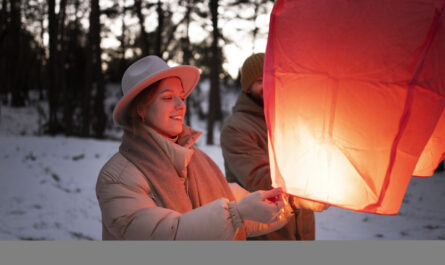
Saint Martin’s Day is a festival with roots in medieval Europe that celebrates generosity and light. Children often carry lanterns through village streets at dusk, singing traditional songs. The procession is followed by communal gatherings featuring hearty seasonal foods like roasted chestnuts, soups, and breads.
The lanterns — glowing against early winter twilight — create a serene and enchanting atmosphere. For families and elders alike, this event represents warmth, compassion, and community continuity.
Why It’s Special
- Visually entrancing lantern processions
- Fosters intergenerational participation
- A gentle celebration of light in colder months
Visitor Tips
- Bring warm clothing — evenings in November can be chilly
- Arrive before dusk for best views of lantern-making or display setups
- Participate respectfully in singing and procession routes
5. Advent and Christmas Traditions Around Rigi
When: Late November to December
Where: Various Rigi-area communities
The winter season around Rigi is punctuated by a series of celebrations that blend religious tradition with alpine festivity:
Christmas Markets
Small markets featuring handmade goods, toys, candles, ornaments, and warm beverages are held in villages. The markets often feel intimate — unlike larger city bazaars — and celebrate local artisans.
Advent Concerts
Churches and community halls come alive with musical performances — from choir singing to brass ensembles — echoing through spaces that seem built for sound.
Lucia Processions
Inspired by Scandinavian tradition, some communities incorporate candlelit processions featuring a “Lucia” figure — a bearer of light — symbolizing hope and warmth during dark winter nights.
Why It’s Special
- Combines spirituality, craftsmanship, and community engagement
- Makes winter’s long evenings feel warm and inviting
- Connects residents and visitors through shared celebration
Visitor Tips
- Check local parish schedules for precise event timing
- Sample mulled wine and seasonal pastries — typical of alpine winter markets
- Arrive early to enjoy music and ambiance before peak crowds
6. Oktoberfest Celebrations With Alpine Flair
When: Late September to Early October
Where: Rigi villages and nearby towns with beer tents or alpine meadows
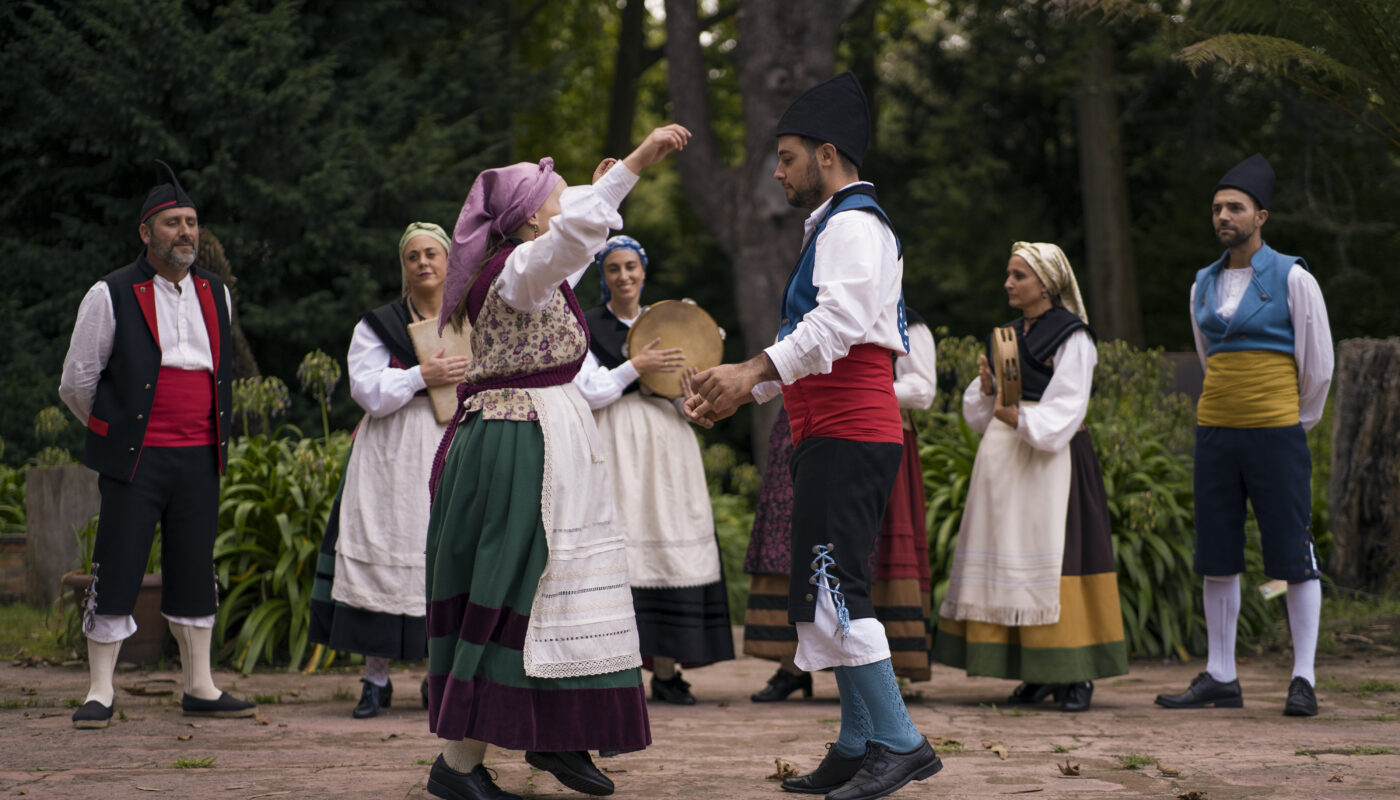
While Oktoberfest is often associated with Munich, alpine regions like those around Rigi host their own versions. The celebrations blend Bavarian traditions with local culture — music, dance, beer, regional sausages, and folk costumes.
Festivities often include:
- Polka and brass band music
- Traditional folk dances
- Alpine horn performances
- Lederhosen and Dirndl attire in local variations
It’s a festive, high-spirited event that unites locals and visitors in boisterous celebration before winter’s quiet arrival.
Why It’s Special
- Showcases the social energy and joviality of alpine culture
- Promotes regional food, drink, and music
- Seamlessly integrates tourism with local festivity
Visitor Tips
- Reserve seats in advance for popular tents or performances
- Expect lively crowds and spirited music
- Enjoy local beer varieties and specialty dishes
How These Celebrations Shape Local Identity
The cultural celebrations around Rigi are more than calendar events. They fulfill essential roles in community life:
Strengthening Intergenerational Bonds
Young and old participate side by side — crafting lanterns, preparing processions, tending livestock, or leading dances.
Preserving Traditional Skills
From floral cattle decorations to folk music, these festivals are living archives of culture and craft.
Reinforcing Nature’s Cycles
Many celebrations align with agricultural seasons, reminding residents of the natural rhythms that sustain their lives.
Inviting Cross-Cultural Exchange
Tourists are welcomed as participants rather than spectators, fostering respect and curiosity.
When to Visit for Cultural Experiences Around Rigi
To experience these celebrations firsthand, consider planning your visit during seasons that align with major events:
| Month | Major Celebrations |
|---|---|
| April | Spring festivals inspired by Sechseläuten |
| August | Swiss National Day gatherings |
| September | Alpabzug, Oktoberfest celebrations |
| November | Saint Martin’s lantern parades |
| December | Advent markets and concerts |
Each season offers a unique blend of nature and culture, making Rigi a destination worth returning to year after year.
Tips for Visitors Attending Local Celebrations
- Respect traditions: Participate with curiosity and humility, not distraction.
- Engage locally: Ask questions, share greetings, and learn from residents.
- Dress appropriately: Some events have dress norms rooted in tradition.
- Arrive early: Many processions and markets fill up quickly.
- Support local artisans: Markets are platforms for traditional crafts and sustainable livelihoods.
Final Thoughts
Around Mount Rigi, cultural parades and local celebrations are more than events — they are expressions of identity, community continuity, and reverence for landscape and heritage. Whether marked with booming brass bands, shimmering lanterns, or adorned cattle making their descent from summer pastures, these traditions offer visitors an authentic taste of alpine life.
Far from staged performances, these celebrations reflect centuries of lived experience — a tapestry woven from nature, labor, faith, and joy. To witness them is not just to see culture; it is to be invited into its rhythm.