 by
by There’s something profoundly human about walking: a rhythm of footfalls, the sound of breath in motion, and the quiet union with shifting landscapes. It’s no wonder that hiking has evolved from a solitary pursuit into a global cultural phenomenon — one that inspires annual gatherings, community events, and outdoor festivals that draw thousands of nature lovers around the world.
These events are more than just hikes; they are opportunities to connect, recharge, and celebrate the natural world alongside others who share a similar passion. Whether you’re a seasoned trekker or someone who simply appreciates being outdoors, annual hiking events and outdoor community gatherings offer something for everyone — from guided nature walks and storytelling around campfires to multi-day treks and conservation activities.
In this article, we explore the world of annual hiking gatherings and outdoor community events — what they are, why they matter, and how they foster connection, belonging, adventure, and environmental stewardship.

What Makes Hiking Gatherings Unique
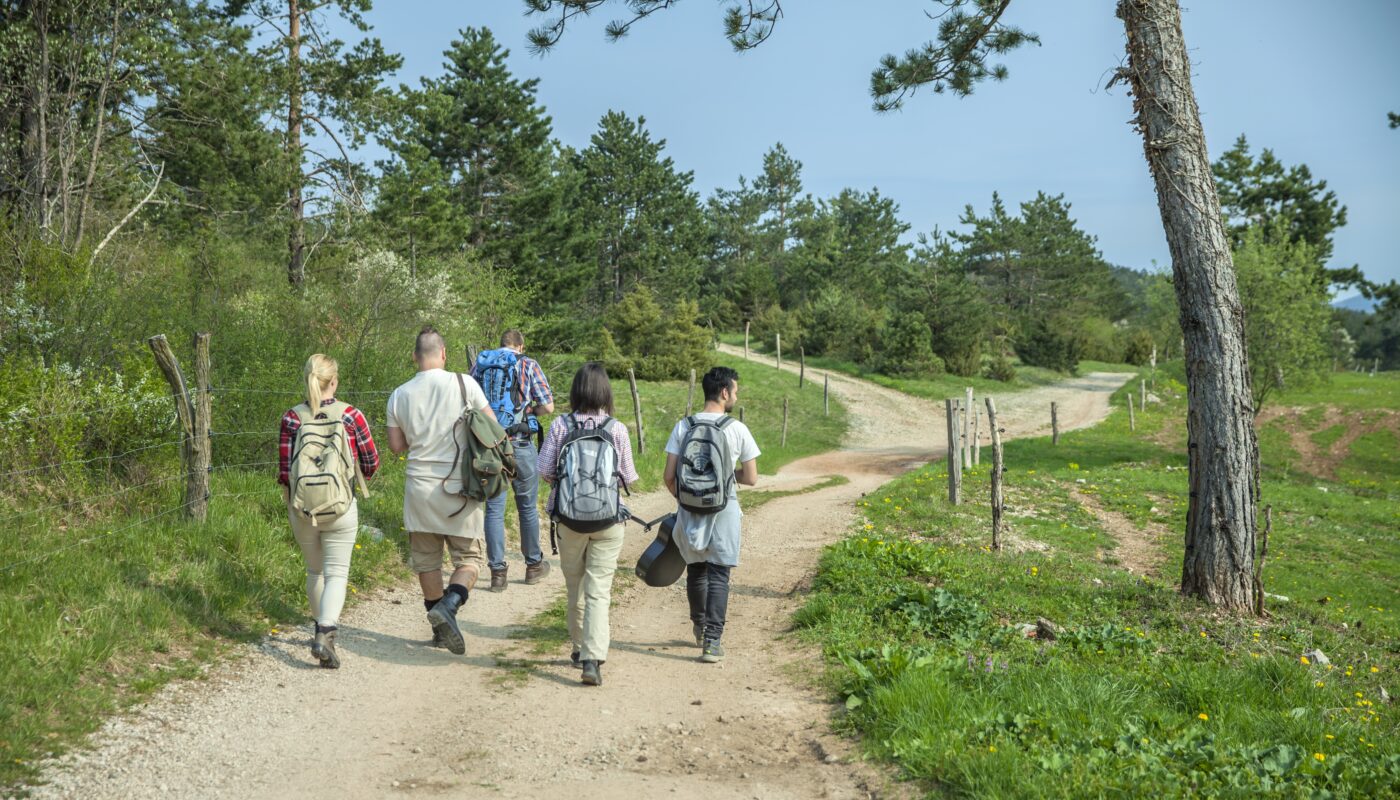
Unlike competitive races, hiking gatherings and outdoor festivals emphasize inclusivity, connection, and shared experience over performance. These events bring together people of different ages, backgrounds, abilities, and levels of outdoor expertise — all with one thing in common: a love for walking in nature.
Connection Over Competition
While running races and endurance events are popular, hike gatherings promote camaraderie rather than competition. Participants encourage one another, exchange stories on the trail, and share laughs around campfires.
Nature Immersion
These gatherings often take place in scenic landscapes — from coastal paths and forested valleys to high mountain passes and rolling hills. Being part of a hike community event means experiencing these places with others who appreciate their beauty and fragility.

Learning Opportunities
Many events incorporate educational elements such as guided nature talks, wilderness safety workshops, and discussions about local ecology and conservation.
Well-Being and Mindfulness
Walking in nature is proven to reduce stress and boost mental well-being. Shared hikes amplify these benefits through social interaction and collective presence.
Types of Annual Hike Gatherings and Outdoor Events
Annual events can vary widely in scope, theme, and scale. Below are the most common types that attract hikers and outdoor enthusiasts year after year.
1. Long-Distance Trail Festivals
Long-distance trail festivals celebrate famed hiking routes that span hundreds or even thousands of kilometers.
Examples Include:
- The Appalachian Trail Conservancy’s Annual Festival in the United States
- Europe’s Camino de Santiago gatherings
- Australia’s Bibbulmun Track Weekends
These festivals typically include:
- Group segments of trail hiking
- Trail conservation and maintenance volunteers
- Storytelling sessions with long-distance hikers
- Skill-building workshops for backpacking and navigation
Participants may spend several days on the trail together, sharing meals, navigation tips, and the unique bond that comes from moving through landscapes over extended distances.
2. Community Trail Days
Community trail days emphasize local landscapes and everyday walking culture. These events are often organized by regional parks, conservation groups, or local governments. Unlike multi-day festivals, they can be single-day hikes, social walks, or themed outings.
Typical features:
- Short hikes appropriate for all ages
- Guided nature walks led by local experts
- Family-friendly themes like “Wildflower Walk” or “Forest Bathing”
- Cleanup and trail maintenance activities
These gatherings encourage residents to know their environment and build stewardship within the community.
3. Mountain and Peak Hikes
High mountain events gather hikers to ascend iconic peaks together. These may range from accessible summits to challenging alpine ascents.
What You Might Find:
- Sunrise or sunset summit hikes
- Peak challenges with group goals
- Safety and acclimatization workshops
- Celebration meals or rituals at mountain lodges
For many participants, reaching a summit is symbolic — a testament to personal resilience, mutual support, and shared achievement.
4. Cultural and Heritage Walks
Some annual outdoor events focus on blending hiking with cultural discovery. These are particularly popular in regions where historical paths, pilgrimages, or ancient trade routes intersect with modern trails.
Examples include:
- Historical pilgrim routes
- Indigenous cultural walks
- Architectural heritage paths through rural communities
These gatherings often incorporate storytelling, local crafts, traditional cuisine, and encounters with community elders or cultural interpreters.
5. Wellness and Mindful Walking Gatherings
Walking as a path to well-being is a growing trend. Wellness hiking events prioritize slow, intentional movement in nature with mindfulness practices.
Activities might include:
- Sunrise forest meditation walks
- Breathwork sessions midway through trails
- Journaling moments in scenic spots
- Workshops on grounding and emotional resilience
These events appeal to travelers who see hiking as a holistic experience — nourishing body, mind, and spirit alike.
Why Outdoor Community Events Matter
Beyond personal enjoyment, annual hike gatherings have deep meaning for both individuals and communities.
1. Community Building
Group hikes foster connection. Shared meals, conversations around campfires, and collective movement through landscapes create a sense of belonging that transcends individual stories.
Participants often form long-lasting friendships and return year after year to revisit familiar faces and shared experiences.
2. Environmental Stewardship
Many events include stewardship activities — from trail maintenance to invasive species removal. These efforts contribute to healthier landscapes and promote environmental responsibility among participants.
Trail stewardship initiatives often become central features of hiking festivals, reinforcing the idea that we are caretakers of the natural places we love.
3. Physical and Mental Health
Walking — especially in nature — is associated with well-documented health benefits:
- Improved cardiovascular health
- Reduced stress and anxiety
- Enhanced mood and mental clarity
- Increased sense of vitality
Group hikes multiply these benefits by adding social connection and shared joy, making outdoor events powerful spaces for holistic wellness.
4. Sense of Purpose and Achievement
Participating in organized hikes — especially long-distance or peak challenges — creates personal milestones. Completing a goal alongside a supportive community creates stories of resilience and meaningful achievement.
What to Expect at a Hiking and Outdoor Gathering
Each event has its own character, but most include some common elements:
Trail Options for Different Levels
Organizers usually offer multiple route choices:
- Short and scenic walks for beginners
- Moderate hikes for regular outdoor lovers
- Challenging routes for experienced hikers
This inclusivity encourages multi-generation participation and allows people to choose experiences that match their comfort and fitness levels.
Guided Sections and Skill Sharing
Experts often lead portions of the trail, sharing:
- Local ecology insights
- Navigation tips
- Safety and weather awareness
- Leave-No-Trace principles
These sessions enrich the hiking experience and deepen participants’ connection with the landscape.
Social Meals and Evening Programs
Especially in multi-day events, shared meals and evening activities are highlights. Participants gather for:
- Communal dinners
- Storytelling sessions with veteran hikers
- Music performances
- Interactive games and cultural displays
These social elements make the journey as memorable as the destination.
Community Projects and Stewardship
Trail maintenance days, riverbank clean-ups, and habitat restoration workshops engage hikers in giving back to the landscapes they enjoy.
Participants learn:
- Sustainable trail practices
- Habitat conservation techniques
- How to advocate for natural spaces in their own communities
These practical skills remain useful long after the event ends.
Tips for Participating in a Hike Gathering
If you’re new to organized outdoor events, here are a few helpful tips to make the most of your experience:
Prepare Physically and Mentally
Even relaxed hikes require stamina. Start with shorter walks, build up your daily step count, and include uphill terrain in your practice hikes.
Mentally, remind yourself that community events are not races — pacing and presence matter more than speed.
Pack Smart
Essentials for any hike gathering include:
- Comfortable hiking shoes
- Layered clothing for changing conditions
- A refillable water bottle
- Snacks high in energy and nutrients
- Sun protection (hat, sunscreen, sunglasses)
- First-aid basics
Respect the Group Pace
Outdoor events value inclusivity. If you’re faster than the group, be mindful of others. If you’re slower, enjoy the rhythm at your own pace — the goal is shared experience, not competition.
Be Open to Connection
These gatherings are social by design. Be open to conversations, invitations to group meals, and shared experiences. You may meet people whose perspectives transform your relationship with nature.
Future of Outdoor Community Events
As interest in outdoor life continues to rise, community hiking gatherings are evolving in exciting ways:
Technology Integration
Apps that track group routes, shared photography platforms, and digital trail maps are enhancing safety and connectivity.
Climate-Conscious Events
Organizers are prioritizing low-impact travel, waste reduction, and sustainable practices that protect trail ecosystems.
Multi-Cultural Outdoor Journeys
Events are increasingly celebrating diversity — weaving cultural heritage with outdoor traditions, reflecting a broader audience of participants.
These developments are shaping gatherings that are inclusive, responsible, and deeply meaningful.
Final Thoughts: Hiking Together, Growing Together
Annual hike gatherings and outdoor community events are a testament to our collective love of nature and the joy of shared experience. These events do more than bring people together for a walk — they cultivate connections, deepen appreciation for the natural world, and create memories that last long after the trails fade from view.
Whether you join a trail festival in the mountains, a community hike in a local park, or a peak-challenging summit event, you’ll find that the path becomes more vibrant when walked with others. What once may have been a solo journey becomes a communal story — one filled with laughter, resilience, curiosity, and shared wonder.
And at the end of the day, when the sun dips behind the hills and campfires glow, you’ll discover that the true beauty of outdoor gatherings isn’t just the landscapes you traverse — it’s the people you meet and the stories you carry home with you.