 by
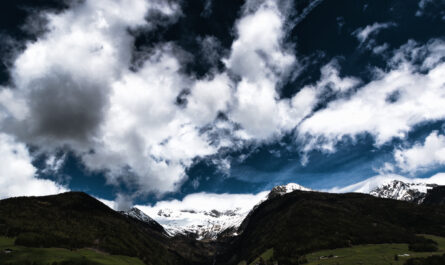
by Mount Rigi, often called the “Queen of the Mountains,” is one of Switzerland’s most rewarding summer destinations. Rising between Lake Lucerne, Lake Zug, and Lake Lauerz, Rigi offers panoramic viewpoints, well-maintained hiking trails, charming mountain inns, and refreshing alpine air. Summer draws walkers, families, photographers, and nature lovers from around the world.
Yet many visitors underestimate Rigi’s alpine environment. They arrive underprepared, assuming summer conditions guarantee easy weather, effortless hikes, and predictable logistics. In reality, Mount Rigi’s elevation, microclimates, and terrain demand thoughtful preparation. Small oversights—improper footwear, lack of sun protection, or ignoring weather changes—can quickly turn a beautiful day into an uncomfortable or even risky experience.
This guide explores essential summer preparations for Rigi travelers, highlighting common mistakes and practical solutions. Whether you plan a gentle walk, a full-day hike, or a leisurely scenic visit, understanding these essentials will help you enjoy Mount Rigi safely, comfortably, and stress-free.

Understanding Rigi’s Summer Environment
Although summer brings warmth to Switzerland’s lowlands, Mount Rigi’s altitude creates different conditions. Temperatures are often cooler than expected, winds can be strong at viewpoints, and weather can change rapidly within hours. Morning sunshine may give way to afternoon clouds or sudden rain, even on clear forecasts.
Many first-time visitors assume Rigi is “easy” because it is well developed and accessible by cogwheel railway. While it is true that infrastructure is excellent, the mountain environment still requires respect. Trails vary in difficulty, exposure to sun can be intense, and distances often feel longer due to elevation.
Recognizing this balance—accessible yet alpine—is the foundation of a successful summer visit.

Footwear: The Most Common and Costly Mistake
One of the most frequent issues on Mount Rigi in summer is inappropriate footwear. Travelers often arrive in fashion sneakers, sandals, or casual walking shoes, assuming paved paths dominate the mountain. While some panoramic routes are gentle, many scenic trails include gravel, roots, uneven stone steps, and occasional steep sections.
Why proper footwear matters:
- Loose gravel increases the risk of slipping
- Downhill walking strains feet and knees
- Wet grass or stone becomes slippery after rain
- Longer distances amplify discomfort from poor support
What to bring instead:
- Lightweight hiking shoes or trail runners with grip
- Cushioned soles for downhill sections
- Secure lacing to prevent foot movement
- Breathable materials to handle summer heat
Proper footwear not only prevents injuries but also allows you to relax and enjoy the landscape without constantly watching your footing.
Layered Clothing: Summer Does Not Mean One Outfit
A common misconception is that summer on Rigi requires minimal clothing. While valley temperatures may be warm, conditions at higher elevations often surprise visitors. Cool winds at viewpoints, shaded forest paths, and sudden cloud cover can lower temperatures quickly.
Essential clothing layers include:
- Moisture-wicking base layer
- Light fleece or insulating mid-layer
- Windproof or waterproof outer layer
- Convertible hiking pants or breathable trousers
Even on hot days, a light jacket can be invaluable during cable car rides, early morning walks, or late afternoon descents.
Avoid heavy cotton clothing, which absorbs sweat and dries slowly. Instead, choose breathable fabrics that adapt to changing conditions.
Sun Protection: A Hidden Alpine Risk
Summer sun on Mount Rigi can be deceptively strong. Higher altitude means increased UV exposure, and reflective surfaces like rock, grass, and nearby lakes amplify the effect. Many visitors underestimate how quickly sunburn or dehydration can occur.
Sun protection essentials:
- Broad-spectrum sunscreen (SPF 30 or higher)
- Wide-brimmed hat or cap
- UV-protective sunglasses
- Lip balm with sun protection
Apply sunscreen before starting your hike and reapply throughout the day, especially after sweating. Even cloudy days can result in significant UV exposure at altitude.
Hydration and Nutrition: Avoiding Energy Crashes
Mount Rigi offers restaurants and mountain inns, but relying entirely on them can lead to long gaps between meals or hydration. Trails often take longer than expected, and hunger or dehydration can reduce focus and enjoyment.
Common hydration mistakes:
- Bringing only one small bottle
- Assuming mountain huts are always nearby
- Forgetting electrolytes during long walks
What works best:
- At least 1–1.5 liters of water per person for half-day outings
- Refillable bottles (many stations offer potable water)
- Nuts, fruit, or energy bars are examples of light snacks.
- Electrolyte tablets for warm days
Proper fueling helps maintain energy, prevents headaches, and improves overall comfort.
Weather Awareness: Planning Beyond the Forecast
Swiss weather forecasts are reliable, but alpine environments create microclimates that can differ from valley predictions. Many summer visitors check the weather once in the morning and assume conditions will remain stable all day.
Common weather-related issues include:
- Afternoon thunderstorms
- Sudden fog reducing visibility
- Strong winds at exposed viewpoints
- Rapid temperature drops after sunset
Smart preparation includes:
- Checking mountain-specific forecasts
- Starting hikes earlier in the day
- Avoiding exposed ridges during storm risk
- Carrying a lightweight rain shell
Flexibility is key. If conditions change, adjust plans rather than pushing forward.
Trail Selection: Matching Routes to Ability
Mount Rigi offers a wide range of trails, from flat panoramic walks to steeper alpine routes. Problems arise when travelers choose paths that exceed their fitness level or time availability.
Common mistakes:
- Underestimating distances between stops
- Choosing elevation-heavy routes without preparation
- Ignoring descent difficulty
- Assuming signage equals simplicity
Before starting, review trail length, elevation gain, and estimated time. Remember that downhill sections can be as demanding as climbs, especially for knees.
Choosing routes that align with your pace ensures enjoyment rather than exhaustion.
Timing Your Day: Avoiding Crowds and Heat
Summer is peak season on Mount Rigi, especially on weekends and holidays. Midday crowds and heat can reduce the serenity many travelers seek.
Better timing strategies:
- Arrive early in the morning
- Visit on weekdays if possible
- Plan hikes before noon
- Enjoy longer breaks during peak afternoon hours
Early starts offer cooler temperatures, clearer views, and quieter trails—ideal conditions for mindful exploration.
Transportation Awareness: Don’t Miss the Last Ride
Mount Rigi’s cogwheel trains and cable cars are efficient but operate on fixed schedules. A common issue for summer hikers is misjudging time and missing the last descent connection.
Avoid this by:
- Checking return schedules before hiking
- Planning buffer time for breaks
- Setting a turnaround point rather than pushing forward
- Carrying offline schedules or screenshots
Missing the last train can lead to expensive alternatives or unplanned overnight stays.
Digital Preparedness: Offline Is Essential
Mobile coverage on Mount Rigi is generally good, but not guaranteed everywhere. Battery drain increases with photography, navigation, and poor signal.
Essential digital preparation:
- Download offline maps
- Carry a small power bank
- Save emergency numbers
- Screenshot tickets and schedules
Technology should support your journey, not become a liability.
Mindset Matters: Slow Down and Observe
One of the most overlooked essentials is mindset. Many travelers rush from viewpoint to viewpoint, focusing on photos rather than experience. Summer on Mount Rigi rewards slower travel—pausing to notice wildflowers, birds, shifting light, and distant lake reflections.
By allowing extra time and lowering expectations of constant activity, visitors often find deeper satisfaction and fewer stress-related issues.
Conclusion: Prepared Travelers Enjoy Rigi More
Mount Rigi in summer is welcoming, scenic, and accessible—but it still requires thoughtful preparation. Most common problems arise not from danger, but from assumptions: assuming summer means warmth, that trails are effortless, or that infrastructure removes the need for planning.
With proper footwear, layered clothing, sun protection, hydration, weather awareness, and realistic pacing, Mount Rigi becomes a place of ease rather than challenge. Preparation transforms your visit from a checklist of sights into a relaxed alpine experience filled with comfort, confidence, and lasting memories.
By avoiding common issues and embracing mindful readiness, summer travelers can truly enjoy the Queen of the Mountains at her best.