 by
by Rising gracefully above central Switzerland, Mount Rigi has long been celebrated for its sweeping views, gentle alpine slopes, and close-knit mountain villages. Yet beyond scenic trails and panoramic viewpoints lies a quieter, deeply rooted tradition that has shaped daily life for centuries: cheese-making.
In the villages and alpine pastures surrounding Rigi, cheese is not merely a food product. It is a seasonal ritual, a form of craftsmanship, and a symbol of harmony between people, animals, and landscape. Passed down through generations, local cheese-making traditions reflect the rhythms of alpine life, the influence of wild mountain flora, and the communal spirit of rural Switzerland.
This article explores how cheese-making developed around Rigi, how it is practiced today, and why it remains a cornerstone of local identity.

1. The Alpine Environment That Shapes Rigi Cheese
Cheese-making around Rigi begins not in the dairy hut, but in the mountain pastures. The slopes and meadows surrounding the mountain are rich in grasses, herbs, and wildflowers that thrive at varying elevations. These plants form the natural diet of cows during the warmer months and directly influence the taste of the milk they produce.
The Role of Alpine Pastures
Unlike industrial dairy farming, traditional alpine cheese relies on:
- Seasonal grazing at higher elevations
- Natural forage rather than processed feed
- Slow milk production driven by climate and terrain
Cows grazing on thyme, clover, alpine flowers, and medicinal herbs produce milk with complex aromas. This milk becomes the foundation of cheeses that are earthy, nutty, floral, and deeply connected to place.

2. Seasonal Movement: The Heart of Alpine Cheese Culture
One of the defining features of cheese-making around Rigi is its seasonal nature.
Summer on the Alp
Each year in late spring or early summer, cattle are guided from valley farms up to alpine pastures. This seasonal migration marks the beginning of intensive cheese production. During this time:
- Milk is processed daily
- Cheese is made close to where cows graze
- Alpine huts become temporary dairies
The tradition ensures freshness, minimizes transport, and maintains a strong link between land and product.
Autumn Descent
When temperatures drop and snow threatens, cattle return to lower elevations. Cheese production slows, and the wheels produced during summer continue aging in cellars throughout the colder months.
This cycle has remained largely unchanged for hundreds of years.
3. Small Alpine Dairies: Where Tradition Lives On
Around Rigi’s villages and high pastures, cheese is still produced in small alpine dairies rather than large factories. These dairies are often family-run or managed by herdsmen who live on the mountain throughout the season.
Characteristics of Alpine Dairies
- Simple, functional buildings
- Copper or stainless steel vats
- Open-fire or gas heating
- Manual handling of curds and wheels
While modern hygiene standards are followed, the process remains deeply traditional. Experience, intuition, and observation play a major role in determining quality.
4. Traditional Cheese-Making Techniques
The cheese-making process around Rigi relies on time-tested methods that prioritize patience over speed.
Step-by-Step Overview
- Fresh Milk Collection
Milk is used shortly after milking, often still warm, preserving natural enzymes. - Heating and Culturing
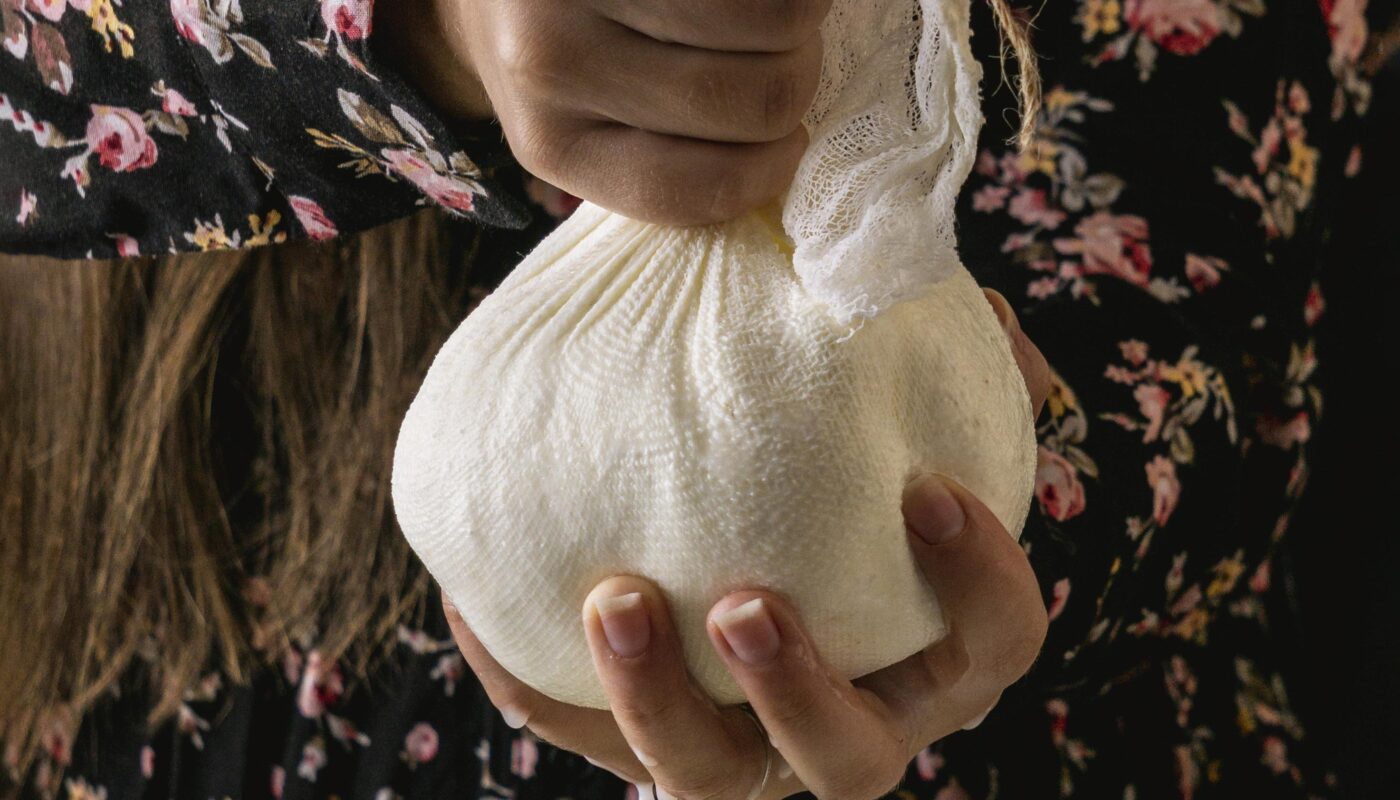
The milk is gently heated and natural cultures are added to begin fermentation. - Curd Formation
Rennet is introduced, causing the milk to solidify into curds. - Cutting the Curd
The curd is cut by hand to release whey and shape texture. - Pressing
Curds are placed in molds and pressed for several hours or days. - Salting
Wheels are salted by hand or bathed in brine to develop flavor and preservation. - Aging
Cheeses mature in cool cellars, sometimes for months or even years.
Throughout this process, cheesemakers rely on sight, smell, and touch rather than strict automation.
5. Types of Cheese Found Around Rigi
While there is no single “Rigi cheese,” the region produces several traditional alpine styles.
Alpine Hard and Semi-Hard Cheeses
These cheeses are:
- Firm in texture
- Rich and aromatic
- Designed for long aging
They are commonly used in slicing, melting, or grating.
Raclette-Style Cheeses
Soft enough to melt smoothly, these cheeses are a staple in alpine cooking and communal meals.
Fresh Dairy Products
In addition to cheese, alpine dairies often produce:
- Butter
- Yogurt
- Cream
- Whey-based drinks
These products are typically consumed locally and reflect the season’s freshness.
6. Cheese as a Social and Cultural Practice
Cheese-making around Rigi is deeply social.
Shared Responsibility
Traditionally, multiple farming families shared access to alpine pastures. Cheese production became a collective effort, with responsibilities rotating among members.
Community Celebrations
Seasonal events often revolve around:
- The ascent of cattle to the alp
- The return to the valley in autumn
- Shared meals featuring freshly made cheese
These moments reinforce bonds between families and generations.
7. Cheese in Local Cuisine
Local Rigi cuisine showcases cheese as both a daily staple and a celebratory dish.
Everyday Meals
- Bread with alpine cheese slices
- Simple cheese and potato dishes
- Melted cheese over vegetables
Traditional Alpine Dishes
- Cheese fondue, enjoyed communally
- Raclette, scraped directly from heated wheels
- Cheese-based soups and gratins
These meals are designed to provide warmth and energy, reflecting the physical demands of alpine life.
8. Knowledge Passed Through Generations
One of the most remarkable aspects of cheese-making around Rigi is how knowledge is transmitted.
Learning by Doing
Most cheesemakers learn through:
- Apprenticeship with elders
- Years of seasonal repetition
- Observation rather than formal instruction
Recipes are rarely written down in detail. Instead, they are adapted to:
- Weather conditions
- Milk quality
- Herd size
This flexibility ensures resilience and uniqueness.
9. Modern Challenges and Adaptation
While traditions remain strong, modern pressures affect alpine cheese-making.
Challenges
- Climate variability affecting grazing patterns
- Declining number of young farmers
- Competition from industrial dairy products
Adaptations
To survive, many alpine producers have:
- Opened dairies to visitors
- Offered tastings and workshops
- Sold cheese directly rather than through middlemen
These strategies allow tradition to remain economically viable.
10. Experiencing Cheese-Making as a Visitor
Visitors to the Rigi region can engage with cheese culture in meaningful ways.
Dairy Visits
Many alpine dairies welcome guests to:
- Observe cheese-making
- Visit aging cellars
- Purchase products directly
Hiking and Cheese Trails
Hiking routes often pass alpine huts where cheese is produced, allowing travelers to combine nature and culinary discovery.
Tastings and Local Shops
Village shops and mountain restaurants proudly serve locally produced cheeses, often with explanations of their origins.
11. Sustainability and Respect for Nature
Traditional cheese-making around Rigi aligns naturally with sustainable practices.
Environmental Benefits
- Pasture-based farming preserves biodiversity
- Limited herd sizes reduce environmental strain
- Local production minimizes transport emissions
Ethical Farming
Cows graze freely, live seasonally outdoors, and are cared for in small herds — a stark contrast to industrial systems.
12. Why Rigi’s Cheese Traditions Matter Today
In an era of mass production, the cheese-making traditions around Rigi represent:
- Cultural continuity
- Respect for natural cycles
- A slower, more intentional way of living
They remind us that food can carry history, landscape, and identity within every bite.
Conclusion
Local cheese-making traditions around Rigi villages are not relics of the past — they are living practices shaped by mountains, seasons, and human dedication. From alpine meadows to aging cellars, each step reflects centuries of accumulated knowledge and a deep respect for nature.
For locals, cheese is a source of pride and sustenance. For visitors, it is a gateway into understanding alpine culture beyond postcard views. And for the future, these traditions offer a powerful example of how craftsmanship, sustainability, and community can coexist.