 by
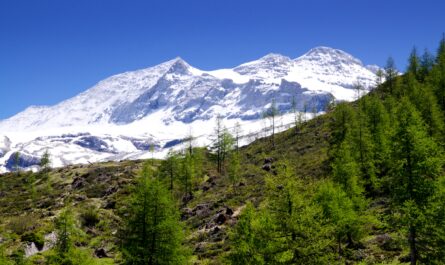
by The alpine crown known as Mount Rigi towers over central Switzerland, offering breathtaking panoramas, charming mountain villages, and a network of hiking trails that attract tourists from around the world. Often called the “Queen of the Mountains,” Rigi lies between Lake Lucerne, Lake Zug, and Lake Lauerz, and its accessible peaks provide a scenic backdrop year-round. For many travelers, Rigi promises traditional alpine weather—crisp air, cool breezes, and snow-capped peaks in winter. Yet beyond these expectations lies a series of seasonal weather surprises that catch even seasoned visitors off guard.
From unexpected snowfalls in spring to sudden summer thunderstorms, and intense winter wind chills to autumn fog banks that roll in without warning, Rigi’s weather has a personality of its own. Understanding these surprises can deeply enrich a tourist’s experience and ensure safety, comfort, and unforgettable memories. This article explores the seasonal weather phenomena that visitors often don’t anticipate, explaining their causes, impacts, and how best to prepare for them.
1. Spring Snowfalls: “Winter Isn’t Finished Yet!”
Why It Happens
Spring on Rigi arrives later than many travelers expect. Although calendars might indicate March or April, the mountain climate tells a different story. Higher elevations on Rigi remain chilly well into spring, and cold fronts from northern Europe can sweep over the Alps, dumping snow on upper slopes even as lower villages experience mild temperatures.

This seasonal quirk stems from Rigi’s unique position and elevation: with peaks reaching over 1,800 meters (5,900 feet), the mountain often traps cold air late into the year. Until the alpine snowpack fully melts and the soil warms, snowstorms are still possible well into late spring.
Tourist Surprises
- Sunny Lower Villages, Snowy Peaks: Hikers planning a trail based on warm weather at lake level often find snowy and slippery conditions at higher altitudes.
- Trail Closures: Some trails remain closed due to snowmelt instability, ice patches, and avalanche warnings.
- Unprepared Gear: Visitors in sneakers or light jackets may suddenly find themselves in snow flurries with no waterproof layers.
Tips to Prepare
- Pack waterproof hiking boots and a lightweight insulating jacket, even in April or May.
- Check trail conditions before setting out, and consult local mountain guides for updates.
- Be ready to turn back if conditions worsen at higher elevations.
2. Summer Thunderstorms: Fast, Fierce, and Frequent
What Brings Them On
Alpine summers might seem idyllic—warm days, cool nights, and wildflower meadows in full bloom—but afternoon thunderstorms are a regular hallmark of the season. Warm air rising from the valleys meets cold air currents above, triggering rapid cloud buildups. This can result in sudden thunderstorms that emerge seemingly out of nowhere.
These storms are more common from July through August and can bring intense rain, lightning, and hail, especially at higher elevations where atmospheric instability is greatest.

Tourist Surprises
- Quick Transitions: Clear skies in the morning can transform into menacing thunderheads by midday.
- Trail Hazards: Thunderstorm conditions increase the risk of slippery rocks, sudden temperature drops, and lightning strikes—especially on exposed ridges.
- Inadequate Clothing: Tourists expecting a calm summer afternoon may be caught without rain gear or layering options.
Tips to Prepare
- Start hikes early in the day before storms typically develop.
- Carry a lightweight waterproof shell and quick-dry clothing.
- Avoid exposed areas or metal equipment during thunderstorms.
3. Autumn Fog Banks: The Magic and the Mystery
A Weather Phenomenon Rooted in Microclimates
Autumn on Rigi introduces another surprise—dense fog banks that drift in from Lake Lucerne and engulf the mountain slopes. The combination of cooling evenings, higher humidity, and warm water bodies creates ideal conditions for fog formation, especially during early mornings and late afternoons.
Unlike gentle mist, these fog banks can be thick and persistent, reducing visibility across hiking paths and scenic viewpoints.
Tourist Surprises
- Low Visibility in “Clear” Weather: A sunny forecast doesn’t always indicate clear mountain conditions. Tourists may ascend expecting bright views, only to find themselves immersed in silence and gray fog.
- Navigation Difficulties: Trails can become disorienting, especially for those unfamiliar with the terrain.
- Temperature Decreases: Fog often brings higher humidity and lower felt temperatures, surprising visitors who dressed for mild autumn weather.
Tips to Prepare
- Download offline trail maps, or carry a physical trail guide.
- Dress in layers, as fog can make temperatures feel significantly colder.
- Wait for breaks in the fog before attempting scenic viewpoints or photography.
4. Winter Wind Chill: Far Colder Than the Forecast
More Than Just Snow
Winter on Rigi is captivating—snow blankets the slopes, and panoramic views stretch across frosted valleys. But there’s an often-overlooked factor that makes the cold feel harsher: wind chill. The mountain’s exposed ridges and open pathways allow cold winds to accelerate, lowering the perceived temperature significantly below the recorded air temperature.
Tourist Surprises
- Misjudged Weather Reports: A forecast of -5°C (23°F) can feel like -15°C (5°F) due to wind chill.
- Rapid Heat Loss: Unprotected skin can become numb quickly, making winter photography or mountaintop picnics uncomfortable.
- Seasonal Gear Gaps: Tourists arriving with standard winter jackets may discover they need more insulation, hats, and gloves than expected.
Tips to Prepare
- Bake wind chill into your clothing plan: insulated layers, windproof shells, and thermal accessories are crucial.
- Check wind forecasts before traveling — gusts above 30 km/h (18 mph) can make winter conditions dangerous.
- Take breaks in sheltered spots to warm up during long explorations.
5. Sudden Temperature Swings: Alpine Weather Whiplash
Why It Happens
Alpine climates like Rigi’s can shift rapidly due to sudden changes in air mass, elevation gradients, and mountain weather systems. It’s not uncommon for tourists to experience sunny warmth in one valley, only to climb a ridge and encounter brisk chill or lingering snow patches.
The mountain acts as a barrier and a funnel for air flows, magnifying temperature swings over short distances and timeframes.
Tourist Surprises
- Morning Warmth Turns Afternoon Chill: Hikers underestimate the need for layers, packing only summer clothing for trips in spring or autumn.
- Cloud Shadows & Shade: Sunlit fields can quickly transition into shaded areas that feel significantly colder.
- Rapid Cooling After Sunset: Early evening temperatures plunge faster than expected once the sun dips behind ridgelines.
Tips to Prepare
- Embrace layering: base layers, a mid-layer, and a waterproof outer layer.
- Schedule hikes with built-in timing for clothing adjustments.
- Monitor weather trends daily, not just once before departure.
6. Snow Showers in Unexpected Months
Most travelers associate snow with deep winter. Yet on Rigi, snow showers can occur in months that traditionally fall outside the winter season, including late spring and early autumn.
Why It Happens
High elevations retain colder atmospheric conditions, and chilly air masses traveling south from northern Europe can bring snowflakes even when surrounding lowlands remain above freezing. These snow events might be brief and localized, but they can significantly impact travelers unprepared for colder weather.
Tourist Surprises
- Fleeting Snow at Mid-Elevation: A light dusting of snow can appear at 1500 meters (4,900 feet) and vanish as quickly as it came, but not before drenching hikers with cold, wet flakes.
- Mixed Precipitation: Rain, sleet, and slushy snow can mix unexpectedly during transitional seasons.
Tips to Prepare
- Bring waterproof footwear and gaiters to keep feet dry.
- Have thermal socks accessible to change into if temperatures drop.
- Consider trekking poles for added stability on slippery terrain.
7. Clear Skies But Cold Nights
Many visitors come to Rigi expecting alpine warmth during summer days. While daytime temperatures can be pleasant or even warm, nights are often far colder than tourists anticipate, especially once summer transitions into autumn.
Why It’s Surprising
Thin mountain air cools rapidly after sunset, and without atmospheric insulation, heat escapes into space. This results in crisp night air that can dip well below expectations, particularly for campers and hikers on multi-day excursions.
Tourist Surprises
- Uncomfortable Camping: Visitors without proper cold-weather sleeping bags may find overnight temperatures challenging.
- Chilly Evening Dinners: Mountain-top restaurants and huts can be surprisingly brisk at night, even during high summer.
- Condensation Issues: Warm sleeping gear combined with cold air leads to damp conditions inside tents.
Tips to Prepare
- Pack a quality sleeping bag rated for low temperatures.
- Wear base layers to bed when camping.
- Bring a small hot water bottle or insulated mat for extra warmth.
8. Unpredictable Microclimates Across Trails
Unlike flatlands with relatively uniform weather, Rigi’s landscape hosts microclimates—small areas where weather behaves differently than nearby regions. One trail section might bask in sunshine, while a ravine only a hundred meters away shivers in cloud shade.
Tourist Surprises
- Localized Storm Cells: Small, isolated rain clouds can shower one slope while neighboring areas remain dry.
- Temperature Gradients: A short descent or ascent can result in noticeable temperature changes.
- Variable Wind Patterns: Some valleys may be calm while ridges are gusty.
Tips to Prepare
- Check microclimate patterns specific to your route, if available.
- Have versatile gear that adjusts to a range of conditions.
- Expect microclimate surprises—they’re part of Rigi’s charm.
Conclusion: Embracing Rigi’s Weather Personality
Seasonal weather surprises on Mount Rigi are not anomalies but reflections of its mountainous character. The aura of the Alps is shaped by elevation, geography, shifting air masses, and moisture from surrounding lakes—factors that combine to produce spectacular views and unforgettable moments, alongside unexpected surprises.
Rather than seeing these weather quirks as obstacles, travelers can treat them as part of the adventure. With the right preparation, awareness, and respect for alpine conditions, Rigi’s seasonal moods become enriching elements of exploration. The mountain doesn’t just offer scenery; it challenges visitors to be present, adaptable, and in harmony with its rhythms.
Whether you’re watching a spring snowfall above blooming valleys, feeling the sting of a sudden summer thunderstorm, or witnessing fog rolling in at dusk like a wave across the hillside, Rigi’s weather will surprise you—and that’s part of its enduring allure.