 by
by Mount Rigi — often called the “Queen of the Mountains” — is one of Switzerland’s most beloved destinations. Between the panoramic views, historic cogwheel railways, and scenic hiking paths, it attracts visitors from around the world. But one thing many travelers discover quickly is that Switzerland can be expensive, especially when it comes to food and drinks. Between lakeside cafés, mountain huts, and restaurants along the Rigi Bahn routes, prices can add up fast.
The good news? With a bit of planning and local know-how, you can enjoy delicious meals and refreshing drinks around Mount Rigi without overspending. This guide shares practical tips, budget-friendly strategies, and local hacks to help you make the most of your culinary experience — without breaking the bank.
1. Plan Ahead: Why It Matters
Food and drink are often the second-largest travel expense after accommodation. Planning ahead allows you to:

- Avoid overpriced tourist traps
- Take advantage of local deals and take-away options
- Choose meals based on cost rather than convenience
A little upfront research pays off — both for your wallet and your overall experience.
2. Know the Food Landscape Around Mount Rigi
Before diving into money-saving strategies, it helps to understand the dining environment:
A. Mountain Restaurants and Huts
- These places often charge premium prices due to their remote locations and the cost of transporting goods uphill.
- Expect higher prices for hot meals, drinks, and specialty items.
B. Lakeside Cafés and Restaurants
- Views of Lake Lucerne, Lake Zug, and surrounding peaks are spectacular — but you’re paying partly for the scenery.
- Lunch here can easily cost 30–50 CHF or more per person.
C. Local Bakeries and Delis
- Smaller shops and bakeries in nearby villages often offer more affordable options.
- Perfect for breakfast, sandwiches, and snacks.
D. Grocery Stores and Markets
- Supermarkets in Arth, Goldau, or Weggis offer the best prices for groceries, take-away meals, and picnic supplies.
Understanding this mix helps you choose when to splurge and when to save.
3. Eat Like a Local: Affordable Alternatives
One of the best ways to save money is to eat where locals eat. Touristy spots charge extra, but neighborhood bakeries, delis, and snack stands often offer high-quality food at lower prices.
A. Visit Bakeries for Breakfast
Swiss bakeries are treasure troves for budget travelers. You can often get:
- Fresh bread or rolls (Brötli)
- Croissants and pastries
- Sandwiches with local cheese and cold cuts
- Coffee to go
This can cost a fraction of a restaurant breakfast and still tastes great.
B. Grab Lunch From Grocery Chains
Look for stores like:
- Migros
- Coop
- Denner
- Smaller local markets
They offer:
- Pre-made salads and sandwiches
- Fresh fruit and snacks
- Swiss staples like muesli, yogurt, and cheeses
- Beverages at supermarket prices (much lower than cafés)
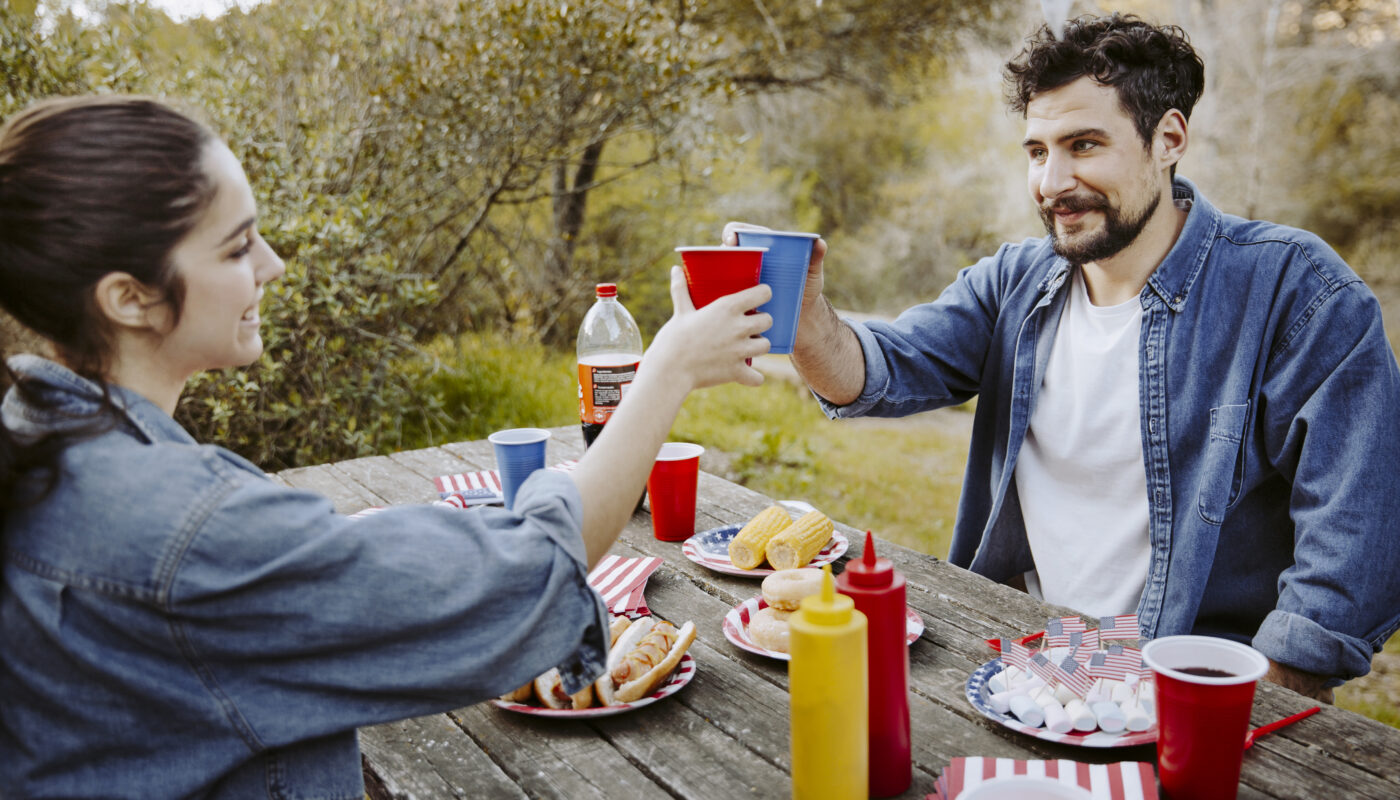
C. Take Advantage of Picnic Spots
Mount Rigi and its surroundings are full of scenic picnic places — lakesides, mountain meadows, and viewpoints are ideal. Packing a picnic:
- Saves money
- Lets you eat with a view
- Keeps you fueled for hiking
Pack:
- Bread and cheese
- Cold cuts or smoked fish
- Fresh fruit and nuts
- Water or juice
A picnic from a grocery store can cost as little as a third of a comparable restaurant meal.
4. Choose Cheaper Meal Times
Timing matters:
A. Lunch Is Often Cheaper Than Dinner
Many restaurants offer:
- Lunch specials
- Set menus
- Business lunch prices
These meals usually include a main course and drink at a discount compared to dinner prices. In Switzerland, lunch deals can be significantly cheaper than evening menus.
B. Visit Early or Late in the Season
Shoulder seasons (spring and fall) tend to have:
- Fewer tourists
- More competitive pricing
- Seasonal menus that use fresh local ingredients
Summer is beautiful — but prices often reflect peak demand.
5. Drink Smart: Save on Beverages
Beverages — especially alcohol and coffee — can be surprisingly costly in Switzerland. Here are ways to enjoy drinks without overspending.
A. Buy Drinks at Grocery Stores
Instead of ordering every drink at a café:
- Buy bottled water, soda, or juice at supermarkets (much cheaper)
- Look for local brands and seasonal treats
Tip: Tap water in Switzerland is excellent and safe to drink, so carry a refillable bottle.
B. Limit Alcohol in Restaurants
Alcohol markups in restaurants are steep. Instead:
- Buy wine or beer at a shop before your meal
- Enjoy a small glass rather than a full bottle
- Share bottles with friends to save
Your meal will still be enjoyable — and your bill friendlier.
C. Try Local Specialties Wisely
If you would want to try regional alcoholic beverages like schnapps or kirsch:
- Opt for small tasting portions or digestifs after meals
- Avoid ordering multiple drinks per person
Sampling local flavors is part of the experience — just be mindful of quantity.
6. Take Advantage of Regional Passes and Discounts
Travel in Switzerland can be expensive, but local tourism authorities often offer cards and passes that include food and drink discounts.
A. Regional Tourism Cards
Some cards include perks like:
- Discounts at partner restaurants
- Vouchers for cafés
- Reduced prices on mountain trains and funiculars
For example:
- If you’re based in Weggis or Vitznau you may find partner discounts for Mount Rigi routes.
Check with local visitor centers before your trip — these passes can boost savings.
7. Use Apps and Online Deals
Technology helps you find real-time food deals and price comparisons.
A. Restaurant Discovery Apps
Apps like:
- Tripadvisor
- Google Maps
- Yelp
- HappyCow (for vegetarian/vegan options)
…often show menus, prices, and user recommendations — including budget-friendly spots.
Search using keywords like:
- “Cheap eats near Rigi”
- “Lunch specials near me”
- “Affordable cafés”
B. Online Reservation Discounts
Some restaurants and cafés partner with reservation apps that offer:
- Promotional pricing
- Fixed price menus
- Pre-order discounts
It never hurts to book ahead and check for specials.
8. Share Meals and Portions
Swiss portions are often generous. If you’re traveling with a friend or family:
A. Share Larger Plates
Order one entrée and one side to share:
- Rösti with toppings
- Large salads
- Cheese fondue (perfect for sharing)
Sharing reduces costs and helps you try more flavors.
B. Split Desserts or Appetizers
Instead of ordering individual desserts:
- Share a single dessert platter
- Order 1–2 appetizers to split
You’ll taste more without paying double.
9. Learn Local Food Culture to Make Savvy Choices
Understanding Swiss dining habits helps you plan:
A. “Tellers” vs. Courses
In some places, ordering a Teller (a plate with combined items) may be cheaper than a three-course meal.
B. Visit Market Days and Food Stalls
Local markets often have:
- Fresh produce
- Ready-to-eat snacks
- Street food that’s far cheaper than cafés
Look for weekly markets in:
- Arth
- Goldau
- Weggis
- Vitznau
Markets also let you sample local cheese, sausages, and baked goods without eating a full meal.
10. Choose Picnic-Friendly Day Plans
If you plan a full day of hiking or exploring:
A. Start With a Hearty Picnic Breakfast
Rather than paying café prices for breakfast on the trail:
- Pick up yogurt, granola, fruit, and juice from a grocery store
- Assemble before you go
B. Midday Picnic Lunch
Pick a scenic spot with a view — many trails near Mount Rigi overlook:
- Lake Lucerne
- Alpine meadows
- Forest glades
Your picnic becomes part of the experience and saves a restaurant lunch cost.
11. Consider Accommodation With Kitchen Access
If you’re staying nearby:
A. Book a Place With a Shared Kitchen
Many guesthouses, hostels, and Airbnbs offer kitchen access.
Cooking your own:
- Breakfasts
- Simple lunches
- Reheating picnic leftovers
…can save a large portion of your travel budget.
B. Shop Locally and Prepare Meals
Visit supermarkets or farmers’ markets early in your trip and stock up. Swiss supermarkets offer:
- Fresh bread and cheese
- Deli meats
- Prepared salads and sides
- Seasonal produce
Simple meals made day to day can cut food costs by half or more.
12. Smart Snacking: Staying Fueled Without Overspending
Snacks are essential for hikers and explorers. Instead of buying on the trails:
A. Pack Trail Snacks Ahead of Time
Buy in town before you start your day:
- Nuts and dried fruit
- Granola or energy bars
- Cheese cubes
- Fresh fruit
Buying snacks in bulk or at stores is much cheaper than at mountain huts or cafés.
B. Water Is Free — But Only If You Bring It
Refill your water bottle at:
- Visitor centers
- Public fountains
- Restaurants’ water taps (many offer free water with purchase)
Avoid buying bottled water repeatedly.
13. Avoid Tourist “Trap Meals” Near High-Traffic Spots
Restaurants near:
- Mount Rigi rail stations
- Boat docks on Lake Lucerne
- Popular scenic viewpoints
…often charge premium prices because of location. Look a bit farther from main nodes for better pricing.
A. 5–10 Minute Walks Can Save Big Money
Many cafés and eateries just off major trails or stations offer:
- Lower prices
- Local clientele
- Authentic flavors
Take a short detour and ask locals where they eat.
14. Learn Key Swiss Budget Food Options
When you want authentic yet inexpensive eats, keep an eye out for:
A. Bratwurst and Rösti Stands
Often found at markets or casual eateries — hearty, filling, and cheaper than sit-down meals.
B. Sandwich Shops and Deli Counters
Fast, reasonably priced, and portable.
C. Fresh Bread With Cheese or Spread
Swiss bread is excellent, and a simple sandwich can be one of the best budget meals.
15. Embrace Local Traditions — They Can Be Affordable Too
Some traditional Swiss items are surprisingly wallet-friendly:
A. Birchermüesli
Oats with fruit, nuts, and yogurt — wholesome, delicious, and often cheaper than full hot breakfasts.
B. Suppe des Tages (Soup of the Day)
Many places offer a hearty soup with bread as a lunch special.
16. Final Tips: Be Prepared, Be Patient, Be Curious
Saving money while eating and drinking around Mount Rigi doesn’t mean sacrificing experience. Instead, it means:
- Being prepared — bring snacks and water
- Being patient — enjoy picnic spots and off-peak meals
- Being curious — Examine local bakeries, marketplaces, and cafés.
With these strategies, you’ll discover that eating well on a budget not only stretches your travel funds — it enriches your travel experience.
Conclusion: Enjoy Mount Rigi Without Overspending
Mount Rigi offers scenery that feels priceless — but you can enjoy delicious food and drinks here without spending like you’re royalty. With smart planning, local insight, and a mix of self-catering and affordable dining choices, you can:
- Eat well
- Sip local drinks
- Maintain your budget
- And still immerse yourself in Swiss culture
Whether you’re here for a long hike, a short trip, or a scenic getaway, the right food and drink strategies will keep your energy up and your expenses down — so that the vista is the only thing that overwhelms you.