 by
by Rising above the lakes and rolling hills of Central Switzerland, Mount Rigi is more than a geographic landmark. For centuries, it has shaped the rhythm, economy, traditions, and identity of the communities that surround it. Often referred to as the “Queen of the Mountains,” Rigi occupies a symbolic and practical place in regional life. It influences how people work, celebrate, travel, worship, and even imagine themselves as part of a shared cultural landscape.
From early alpine farming traditions to modern tourism and sustainability initiatives, Rigi has continuously molded the social fabric of Central Switzerland. To understand the region fully, one must understand the mountain—not just as terrain, but as a living presence in community life.
A Natural Center of Gathering
Long before railways and hotels appeared, Rigi served as a natural meeting point. Its position between Lake Lucerne, Lake Zug, and Lake Lauerz placed it at the intersection of trade routes and rural settlements. Villagers from surrounding valleys would ascend its slopes for seasonal grazing, wood collection, and shared agricultural work.

These seasonal migrations were not isolated activities. They fostered collaboration between families and villages. Herding cattle to high alpine meadows required collective effort. Cheese production, haymaking, and pasture management were often shared responsibilities, strengthening interdependence among communities.
In many ways, Rigi functioned as a communal workspace long before it became a tourist destination. The mountain was a shared resource, and this shared reliance nurtured cooperation and mutual trust among neighboring settlements.
Spiritual Influence and Shared Belief
Mountains have long been associated with reflection, solitude, and spiritual significance. Rigi was no exception. For centuries, chapels and places of worship were established along its slopes. Pilgrims climbed the mountain seeking healing, contemplation, and renewal.
These religious gatherings became powerful community-building events. Pilgrimage days brought together people from distant villages, fostering not only spiritual unity but also social exchange. Markets formed around pilgrimage routes, local artisans sold goods, and families connected across cantonal boundaries.
The spiritual culture surrounding Rigi reinforced shared values of humility, gratitude, and respect for nature. Even today, traces of this spiritual heritage remain visible in small chapels and mountain shrines, reminders that community life once revolved as much around faith as survival.
The Transformation Through Tourism
One of the most defining moments in Rigi’s history was the introduction of mountain railways in the 19th century. What had once required hours of strenuous climbing suddenly became accessible to visitors from across Europe.
This shift dramatically reshaped local life.
Economic Change
Tourism created new livelihoods. Farmers supplemented their incomes by hosting guests. Inns expanded into hotels. Local residents became guides, porters, cooks, and railway workers.
The economy diversified. Instead of relying solely on agriculture, communities began to blend traditional alpine practices with hospitality services. This diversification helped stabilize the region, particularly during times when farming alone was not sufficient to sustain families.
Social Adaptation
With visitors arriving from cities and foreign countries, local communities encountered new languages, fashions, and customs. Exposure to outside cultures gradually influenced architecture, cuisine, and social norms.
Yet rather than losing their identity, communities around Rigi adapted thoughtfully. Traditional wooden chalets remained, but were upgraded. Local cuisine was proudly given to guests while being preserved. Festivals evolved to include guests without sacrificing authenticity.
Rigi thus became a bridge between rural heritage and global exchange.
Festivals and Cultural Continuity
The mountain continues to serve as a stage for cultural celebration. Seasonal festivals, alpine wrestling events, folk music performances, and cattle parades are held on its slopes or in nearby villages.
These gatherings reinforce community pride and intergenerational continuity. Younger generations learn traditional music, yodeling, alphorn playing, and regional crafts not as museum relics, but as living traditions.
Importantly, these festivals are not solely for tourists. They are deeply rooted in local identity. The presence of visitors may amplify them, but the purpose remains communal celebration.
Rigi provides the setting—a dramatic natural amphitheater—where cultural memory is kept alive.
Shaping Daily Life and Identity
For residents of Central Switzerland, Rigi is part of everyday consciousness. It is visible from homes, schools, and town centers. Its silhouette anchors the horizon. Weather patterns are often discussed in relation to the mountain. Snowfall on Rigi signals winter’s arrival. Spring blossoms on its slopes indicate seasonal change.
This visual presence fosters a shared reference point. When people speak of home, Rigi often features in the mental image.
The mountain shapes identity in subtle but powerful ways:
- It influences local art and photography.
- It appears in regional logos and branding.
- It inspires school excursions and educational programs.
Children growing up in nearby towns associate Rigi with hikes, sledding trips, and family outings. Over time, these shared experiences create emotional bonds between people and place.
Transportation and Connectivity
The railway systems and cable cars serving Rigi did more than transport tourists—they improved regional mobility. Communities that were once relatively isolated became better connected to lakeside towns and major cities.
Improved transport brought several benefits:
- Easier commuting for residents
- Greater access to education and healthcare
- Increased business opportunities
Rather than fragmenting community life, improved access strengthened it. People could remain rooted in alpine villages while participating in broader economic networks.
This balance between connectivity and local continuity is a defining characteristic of Rigi’s influence.
Agriculture and Landscape Stewardship
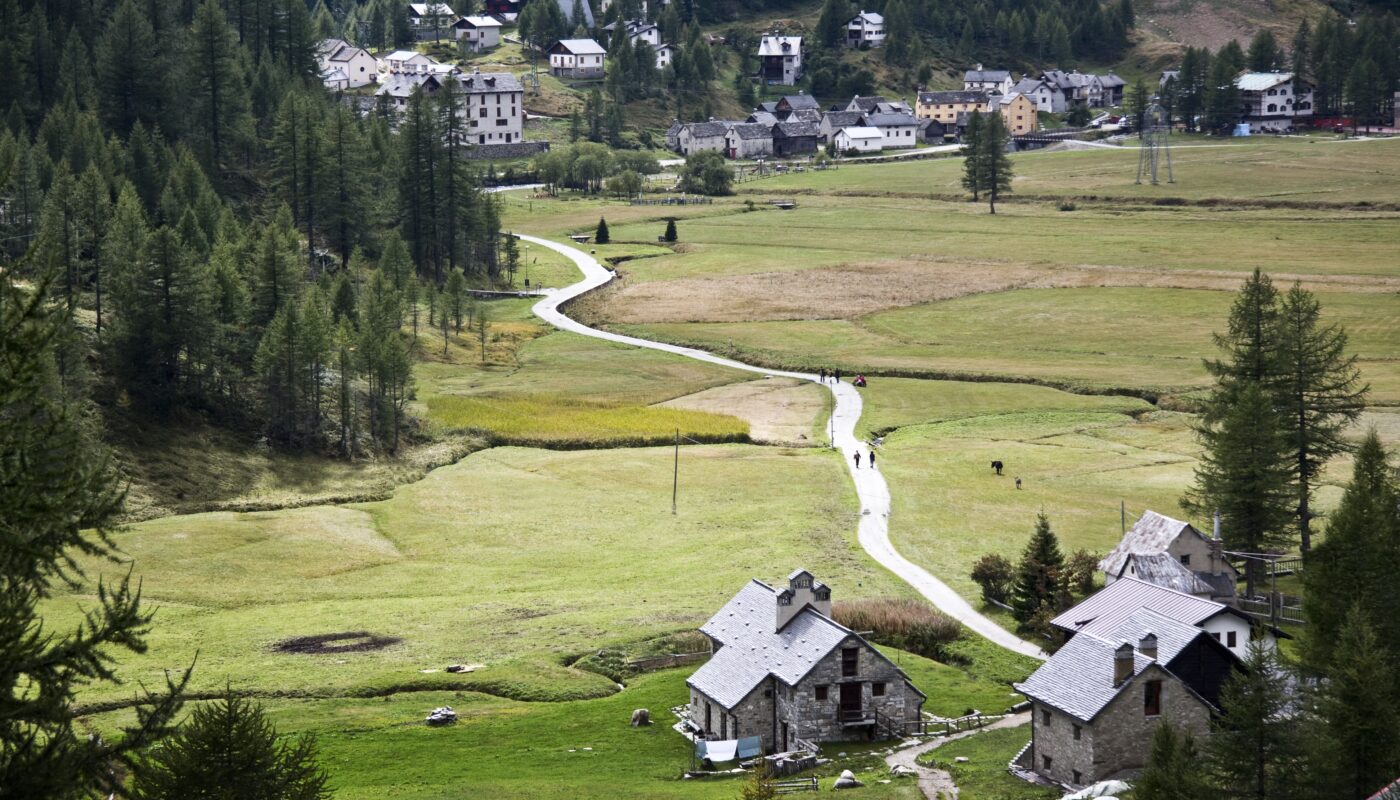
Despite tourism’s growth, agriculture remains integral to life around Rigi. Alpine farming practices have shaped the landscape for centuries. Terraced pastures, grazing fields, and carefully maintained forests reflect generations of stewardship.
Community life is intertwined with this stewardship. Farmers collaborate on grazing schedules and land maintenance. Local cooperatives manage cheese production and distribution.
These agricultural traditions contribute to both economic resilience and cultural pride. They also maintain the open landscapes that visitors admire, creating a reciprocal relationship between tourism and farming.
Rigi has therefore shaped not only social structures but also ecological responsibility.
Education and Environmental Awareness
In recent decades, environmental consciousness has become central to community life around Rigi. Schools incorporate mountain ecology into their curricula. Guided educational walks teach both locals and visitors about alpine flora, fauna, and geology.
Community initiatives focus on sustainability:
- Preserving biodiversity
- Promoting public transportation
- Supporting local food systems
- Reducing environmental impact
This modern stewardship reflects a long-standing respect for the mountain. While methods evolve, the core value—caring for Rigi as a shared home—remains consistent.
Winter Life and Seasonal Rhythm
Winter transforms Rigi into a snowy landscape of skiing, sledding, and winter hiking. Seasonal tourism brings energy and income during colder months, but it also reinforces communal rhythms.
Local residents prepare collectively for winter. Infrastructure is adapted, trails are maintained, and hospitality services adjust to seasonal demand.
Winter sports clubs and community events strengthen social bonds. The mountain becomes both playground and workplace, blending recreation with livelihood.
Seasonality shapes the cadence of life, and Rigi is central to that rhythm.
Balancing Tradition and Modernity
As tourism continues to grow, communities around Rigi face challenges. Increased visitor numbers require careful management to prevent overcrowding and environmental strain.
Local leaders and residents work together to maintain balance:
- Encouraging sustainable tourism practices
- Protecting natural habitats
- Preserving architectural heritage
- Ensuring that economic benefits support local families
This collaborative approach reflects the same communal spirit that characterized early alpine farming.
Rigi’s future influence will depend on maintaining this equilibrium between openness and preservation.
A Symbol of Unity Across Cantons
Rigi sits at the boundary of multiple cantons, making it a shared landmark rather than the possession of a single community. This geographical reality reinforces a sense of regional unity.
Festivals, transport networks, and economic systems often cross administrative lines. The mountain encourages cooperation beyond political boundaries, reminding residents that shared landscapes transcend divisions.
In this way, Rigi fosters a broader sense of belonging within Central Switzerland.
Conclusion: A Living Influence
Mount Rigi has shaped community life in Central Switzerland in ways both visible and subtle. It has influenced agriculture, spirituality, tourism, transportation, culture, and identity. It has brought people together for work, worship, celebration, and recreation.
More than a scenic destination, Rigi is woven into daily life. It stands as a reminder of resilience, adaptability, and shared heritage. Its slopes have witnessed centuries of change, yet the mountain continues to serve as a unifying presence.
Community life around Rigi is not static—it evolves with time. But the mountain remains constant, anchoring the past while guiding the future.
In Central Switzerland, Rigi is not merely part of the landscape. It is part of the community itself.