by
by Summer is a season filled with visual energy. Bright skies, long daylight hours, vibrant landscapes, and outdoor activities make it one of the most exciting times of the year for photographers. Whether you are using a professional camera or simply capturing moments on a smartphone, summer offers countless opportunities to create striking images.
However, great summer photography is not just about sunny weather. Success comes from understanding how light behaves, choosing creative shooting angles, and discovering unique viewpoints that others often overlook. This comprehensive guide will help you refine your photography skills and capture images that truly stand out.
Why Summer Is Perfect for Photography
During summer, the natural environment becomes a living canvas. Colors appear richer, people spend more time outdoors, and nature reaches its peak vitality. Photographers benefit from:

- Extended shooting hours due to longer days
- Warm color tones created by sunlight
- Active streets, festivals, and outdoor gatherings
- Clear atmospheric conditions for landscapes
Despite these advantages, summer also introduces challenges such as strong sunlight, heavy shadows, and crowded locations. Learning to adapt to these conditions allows photographers to turn obstacles into creative opportunities.
Understanding Summer Lighting
Light determines mood, depth, and overall image quality. In summer, sunlight changes dramatically throughout the day, so timing becomes essential.
Golden Hour: Soft and Magical Light
Shortly after sunrise and just before dusk is when the golden hour happens. At these times, sunlight travels through more of the atmosphere, producing warm tones and gentle shadows.

Benefits of golden hour photography include:
- Softer highlights and reduced glare
- Natural skin tones for portraits
- Enhanced textures in landscapes
- Balanced contrast
Landscape photographers often plan entire shoots around this brief window because it creates visually pleasing images with minimal editing.
Practical Tip: Scout your location earlier so you are ready when the light becomes perfect.
Blue Hour: Calm and Atmospheric Scenes
Blue hour happens just before sunrise and immediately after sunset. The sky takes on deep blue hues while artificial lights begin to glow.
This lighting works beautifully for:
- Urban skylines
- Waterfront scenes
- Architecture
- Evening travel photography
Using a tripod helps maintain sharpness when working with slower shutter speeds.
Managing Harsh Midday Sunlight
Midday light is often considered difficult because the sun sits high overhead, creating strong shadows and bright highlights. Instead of avoiding midday shooting entirely, adjust your strategy.
Try these techniques:
- Photograph subjects under tree shade or building shadows.
- Focus on bold patterns, textures, or abstract shapes.
- Use strong contrast creatively in black-and-white photography.
- Capture reflections or silhouettes.
Harsh light can produce dramatic images when used intentionally.
Backlighting for a Summer Glow
Backlighting occurs when the sun shines from behind the subject. This technique adds depth and atmosphere by illuminating edges and creating lens flare effects.
Ideal backlit subjects include:
- Grass fields
- Flowers and leaves
- Beach scenes
- Portraits with flowing hair
Slightly lowering exposure prevents overexposed highlights while maintaining a glowing effect.
Choosing Creative Angles
Changing perspective is one of the simplest ways to improve photography instantly. Many images look ordinary because they are taken from eye level without experimentation.
Shoot from a Low Perspective
Lowering your camera can dramatically change composition. A low angle:
- Makes subjects appear larger or more powerful
- Emphasizes foreground elements
- Enhances sky presence
Try kneeling or placing your camera near ground level to create dynamic results.
Explore Higher Viewpoints
Photographing from above reveals patterns and relationships that are invisible at ground level. Elevated positions can include:
- Hills and terraces
- Balconies or rooftops
- Bridges or viewing platforms
High angles simplify busy scenes and add storytelling context.
Use Leading Lines for Visual Flow
Lines naturally guide the viewer’s eye through an image. Summer environments provide many natural leading lines such as:
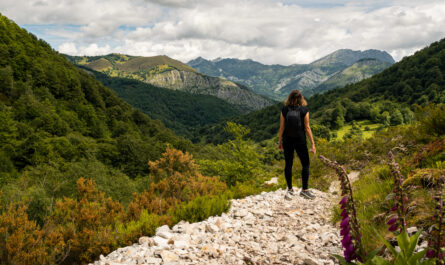
- Pathways and hiking trails
- Shorelines
- Rivers or fences
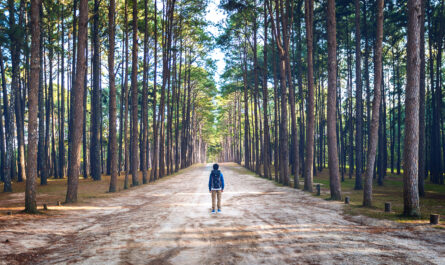
- Rows of trees or crops
Position yourself so these lines lead toward your main subject or the horizon.
Diagonal Composition for Energy
Diagonal framing introduces motion and excitement. Instead of placing subjects parallel to the frame edges, angle your composition slightly to create a sense of movement.
This works particularly well with landscapes, sports photography, and street scenes.
Finding Hidden Viewpoints
Iconic locations are often photographed from the same positions repeatedly. Unique photography comes from exploring beyond the obvious.
Move Away from Crowds
Many photographers stop at designated viewpoints. Walking just a few minutes farther can reveal fresh perspectives.
Look for:
- Side trails
- Quiet corners
- Alternative vantage points
- Unexpected foreground elements
Often, the best image lies just outside the popular photo spot.
Arrive Early or Stay Late
Timing influences uniqueness as much as location. Early mornings provide peaceful environments with soft light, while evenings offer dramatic color transitions.
Benefits include:
- Fewer people in the frame
- Cleaner compositions
- Greater creative freedom
Change Your Direction of Vision
Photographers frequently focus straight ahead, missing interesting details.
Train yourself to:
- Look upward for cloud formations or architectural shapes
- Look downward for reflections, textures, or shadows
- Turn around to capture scenes behind you
Creative images often come from unconventional observation.
Use Natural Elevation
Summer adventures such as hiking naturally lead to elevated viewpoints. Even small height differences add visual depth and reveal layered landscapes.
Elevation helps create images with foreground, middle ground, and background elements working together.
Summer Landscape Photography Techniques
Create Depth and Dimension
Include multiple layers in your frame:
- Foreground interest (flowers, rocks, grass)
- Middle elements (trees, buildings)
- Background scenery (mountains, sky)
Layering draws viewers into the image.
Control Bright Skies
Summer skies can appear overly bright compared to land. Adjust exposure carefully or shoot multiple exposures for better balance.
Using a polarizing filter can deepen sky color and reduce reflections on water surfaces.
Aperture Choices for Sharpness
Landscape photographers often use smaller apertures such as f/8 to f/16 to keep most of the scene sharp and detailed.
Photographing People During Summer
Summer naturally brings human activity—travel, celebrations, and outdoor recreation—making it ideal for storytelling photography.
Natural Light Portraits
For flattering portraits:
- Shoot during golden hour.
- Position subjects facing indirect light.
- Use shaded areas for soft illumination.
Encourage natural interaction instead of rigid poses to capture genuine emotion.
Candid Photography
Some of the strongest summer images come from observing real moments:
- Friends laughing at cafés
- Children playing outdoors
- Travelers exploring new places
Patience allows authentic stories to unfold naturally.
Capturing Summer Details
Wide landscapes are beautiful, but small details enrich your photo collection.
Consider photographing:
- Butterflies or insects
- Dew drops on leaves
- Sand textures at the beach
- Food and market scenes
Close-up photography highlights the sensory experience of summer.
Creative Ideas to Try
Reflections
Water, windows, or shiny surfaces can double visual interest by creating mirrored compositions.
Silhouettes
Expose for the sky at sunset to turn subjects into dramatic dark shapes against colorful backgrounds.
Motion Blur
Use slower shutter speeds to capture movement such as waves, waterfalls, cyclists, or crowds, adding energy to your images.
Essential Equipment Tips
You do not need expensive gear to succeed, but a few accessories help during summer shooting:
- Lens hood to reduce glare
- Lightweight tripod
- Extra memory cards and batteries
- Cleaning cloth for dust and fingerprints
- Protective bag against heat and sand
Keeping equipment cool and shaded prevents overheating.
Editing Summer Photos
Post-processing enhances your vision rather than replacing good technique.
Editing suggestions:
- Slightly adjust contrast for depth
- Warm color temperature gently
- Reduce highlights to recover sky detail
- Increase vibrancy moderately instead of oversaturation
Aim for natural results that preserve the feeling of summer rather than artificial colors.
Developing Creative Vision
Photography improves when observation becomes intentional. Before pressing the shutter, ask yourself:
- Where is the light coming from?
- What angle tells the strongest story?
- Is there a more interesting viewpoint nearby?
Slowing down encourages thoughtful composition and stronger storytelling.
Common Mistakes to Avoid
Many beginners repeat similar habits:
- Shooting only from eye level
- Ignoring distracting backgrounds
- Overexposing bright scenes
- Standing exactly where everyone else stands
- Taking many photos without purpose
Being deliberate produces more impactful results than simply taking large numbers of images.
Telling a Complete Summer Story
Instead of isolated images, think in terms of visual storytelling. A strong summer photography collection might include:
- Wide landscape views
- Environmental portraits
- Close-up details
- Action moments
- Evening or night atmosphere
Together, these photographs capture the full essence of the season.
Final Thoughts
Summer photography combines creativity, timing, and curiosity. By understanding natural light, experimenting with angles, and searching for hidden viewpoints, photographers can transform everyday scenes into powerful visual narratives.
The most memorable photographs are rarely accidental. They emerge when photographers follow changing light, explore unfamiliar perspectives, and remain attentive to fleeting moments. Whether you are traveling across continents or exploring your neighborhood, summer provides endless opportunities to refine your skills and develop a personal photographic style.
Take your camera outside, observe carefully, and allow the season’s warmth and vitality to guide your creativity. Every sunrise, shadow, and hidden viewpoint holds the potential for an unforgettable image.