 by
by Winter in Switzerland reveals a different personality of the Alps — quieter, softer, and deeply atmospheric. Rising above Lake Lucerne, Mount Rigi transforms into a spectacular snowy landscape during the coldest months of the year. Known as the “Queen of the Mountains,” Mount Rigi attracts visitors seeking panoramic views, peaceful winter walks, and authentic alpine experiences.
However, winter beauty comes with challenges. Extreme cold, strong winds, and rapidly changing mountain weather can quickly turn an enjoyable visit into an uncomfortable or even unsafe experience if travelers are unprepared. The key to enjoying Mount Rigi in freezing temperatures is not avoiding the cold — but learning how to travel smartly within it.
This extensive guide provides a practical, fully original traveler’s checklist covering preparation, clothing, safety, activity planning, and comfort strategies so you can fully enjoy Mount Rigi even during the harshest winter conditions.

Understanding Extreme Cold in Alpine Environments
Mountain weather behaves differently from city climates. Even when nearby towns feel manageable, higher elevations can experience significantly colder temperatures.
At nearly 1,800 meters above sea level, Mount Rigi’s summit frequently experiences:
- Sub-zero temperatures
- Strong alpine winds
- Sudden cloud cover
- Reduced visibility
Cold conditions intensify because of wind chill, which can make temperatures feel dramatically lower than the thermometer reading. A calm –5°C day may feel comfortable, while windy conditions can make the same temperature feel dangerously cold.

Recognizing these environmental realities helps travelers prepare properly.
The Golden Rule: Master the Layering System
The most effective way to stay warm is through layered clothing, allowing you to adapt to changing temperatures and activity levels.
Base Layer — Moisture Management
Start with clothing that sits directly against your skin.
Recommended items:
- Thermal tops and leggings
- Merino wool or synthetic fabrics
- Moisture-wicking materials
Avoid cotton because it traps moisture, causing rapid cooling once you stop moving.
Insulating Layer — Heat Retention
The middle layer traps body warmth.
Good options include:
- Fleece jackets
- Wool sweaters
- Lightweight down insulation
This layer should feel warm but breathable.
Outer Layer — Weather Protection
The outer shell shields you from wind, snow, and moisture.
Essential features:
- Waterproof material
- Windproof design
- Breathable fabric
A high-quality outer layer makes the biggest difference in extreme cold comfort.
Cold-Weather Accessories You Should Never Skip
Small items often determine whether a winter outing feels enjoyable or miserable.
Essential accessories checklist:
- Insulated gloves or mittens
- Warm hat covering ears
- Neck warmer or scarf
- Wool socks
- Sunglasses to reduce snow glare
Up to 30% of body heat can be lost through the head and extremities, making accessories just as important as jackets.
Choosing the Right Footwear
Mount Rigi’s winter trails are well maintained, but snow and ice remain constant companions.
Ideal footwear should include:
- Waterproof winter boots
- Thick insulated lining
- Strong grip or traction soles
Adding lightweight traction spikes can greatly improve stability on icy sections, especially after snowfall or freezing rain.
Packing Smart: The Extreme Cold Daypack
A small backpack dramatically improves comfort during winter exploration.
Recommended items to carry:
- Thermos filled with hot tea or coffee
- High-energy snacks
- Extra gloves or socks
- Hand warmers
- Sunscreen and lip balm
- Portable phone charger
Cold temperatures drain batteries quickly, so keeping electronics warm inside your jacket helps preserve power.
Planning Your Visit Around Weather Conditions
Mountain experiences depend heavily on timing.
Check Forecasts and Webcams
Conditions on Mount Rigi change rapidly. Clear mornings can turn cloudy within hours. Checking weather reports before departure helps ensure visibility and safety.
Start Early
Morning hours offer:
- Better light for photography
- Calmer winds
- Warmer daytime temperatures
Late afternoon temperatures drop quickly once sunlight fades.
Transportation Tips for Cold Days
One of Mount Rigi’s greatest advantages is its accessibility through mountain railways and cable cars.
Instead of long exposure outdoors, travelers can:
- Move between viewpoints via heated trains
- Take short walks between stations
- Warm up frequently during travel
This flexibility allows visitors to enjoy winter scenery without prolonged exposure to extreme cold.
Best Winter Activities in Extreme Cold
Cold weather does not limit experiences — it simply changes how you explore.
1. Scenic Summit Exploration
There are breathtaking 360-degree views of lakes and Alpine peaks from the summit area close to Rigi Kulm. Even a brief visit provides unforgettable scenery.
Spend short periods outdoors, then return to indoor spaces to warm up.
2. Winter Panorama Walks
There are beginner-friendly, well-maintained winter walking trails on Mount Rigi.
Benefits include:
- Packed snow surfaces
- Clearly marked routes
- Gentle elevation changes
Walking keeps circulation active, helping maintain body warmth naturally.
3. Snowshoe Adventures
Snowshoeing allows exploration beyond main paths while remaining accessible for beginners.
Advantages:
- Slow, controlled movement
- Immersive winter landscapes
- Minimal equipment requirements
Snowshoeing generates body heat, making it ideal for cold conditions.
4. Sledding for Active Fun
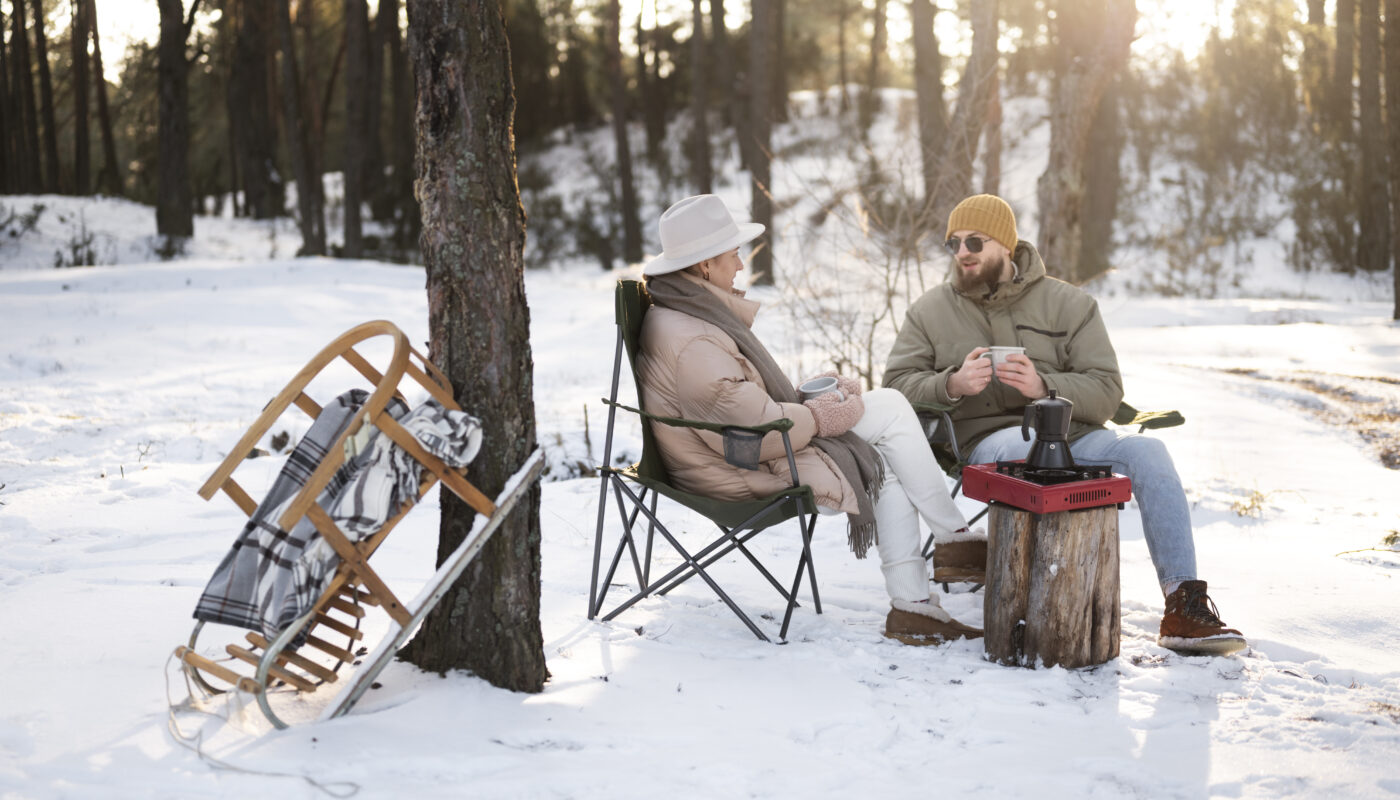
Sledding is both entertaining and practical in cold weather. Physical activity improves circulation and keeps travelers warm while enjoying alpine scenery.
Managing Body Temperature Effectively
Extreme cold requires careful energy balance.
Avoid Sweating
Overheating during walks leads to sweat buildup, which later causes chilling.
Strategy:
- Remove layers while walking uphill
- Add layers during rest stops
Eat and Drink Regularly
Your body burns extra calories staying warm.
Pack foods such as:
- Nuts
- Chocolate
- Energy bars
Warm drinks boost morale and maintain internal temperature.
Stay Hydrated
Cold weather reduces thirst signals, but dehydration increases fatigue and susceptibility to cold stress.
Recognizing Cold-Related Risks
Knowing warning signs helps prevent serious problems.
Watch for Early Symptoms
- Numb fingers or toes
- Persistent shivering
- Slowed thinking
- Loss of coordination
If symptoms appear, seek warmth immediately.
Safe Behavior in Winter Mountain Conditions
Mount Rigi is considered a safe Alpine destination, but precautions remain essential.
Follow these safety principles:
- Stay on marked winter trails
- Respect weather changes
- Avoid isolated routes in poor visibility
- Inform someone of your plans
Turning back is always a wise decision if conditions worsen.
Photography Tips in Freezing Temperatures
Winter photography on Mount Rigi is extraordinary, but cold affects equipment performance.
Helpful practices:
- Carry spare batteries
- Store camera inside jacket between shots
- Use gloves allowing button control
Sunrise and sunset produce remarkable light reflecting off snow and surrounding lakes.
Mental Preparation: Embracing the Winter Experience
Extreme cold slows travel naturally. Accepting this rhythm improves enjoyment.
Expect:
- Quiet landscapes
- Fewer crowds
- Moments of stillness
Winter encourages mindfulness — appreciating the silence, crisp air, and expansive views unique to alpine environments.
Smart Warm-Up Strategies
Plan regular indoor breaks throughout the day.
Warm-up options include:
- Mountain restaurants
- Railway stations
- Cable car cabins
Alternating outdoor exploration with indoor warmth allows longer and more comfortable visits.
Common Mistakes Travelers Make
Avoid these frequent cold-weather errors:
❌ Wearing cotton clothing
❌ Forgetting wind protection
❌ Staying outdoors too long without breaks
❌ Underestimating sun exposure on snow
❌ Ignoring changing weather forecasts
Preparation prevents nearly all winter discomfort.
Sample Extreme-Cold Itinerary
Morning
- Early ascent by cogwheel train
- Short summit walk and photos
- Warm drink break indoors
Midday
- Gentle winter panorama walk
- Lunch stop at mountain restaurant
Afternoon
- Scenic train rides between viewpoints
- Sunset photography session
Before Evening
- Descend before temperature drop
Why Visiting Mount Rigi in Extreme Cold Is Worth It
Winter reveals Mount Rigi at its most magical. Snow blankets forests, clouds drift below viewpoints, and silence replaces summer crowds. The landscape feels timeless and serene.
Extreme cold does not diminish the experience — it intensifies it. Clear winter air sharpens visibility, sunlight sparkles across frozen terrain, and every view feels dramatic and unforgettable.
With proper preparation, travelers discover that winter is not a barrier but an invitation to experience the Alps in their purest form.
Final Thoughts
Enjoying Mount Rigi in extreme cold comes down to thoughtful planning and respect for mountain conditions. The essential principles are simple:
Dress in layers.
Stay active but avoid sweating.
Take warming breaks.
Plan around daylight and weather.
Follow this traveler’s checklist, and Mount Rigi will reward you with one of Switzerland’s most memorable winter adventures — a journey defined not by cold temperatures, but by extraordinary alpine beauty.