 by
by In today’s fast-moving world, many travelers and wellness seekers are searching for something deeper than sightseeing or adventure. Increasingly, people are choosing travel experiences that nurture mental clarity, emotional balance, and inner calm. One of the most powerful ways to reconnect with oneself is through mindfulness trails—walking routes intentionally designed to encourage reflection, awareness, and peaceful presence.
Unlike traditional hiking paths focused solely on physical challenge or scenic viewpoints, mindfulness trails blend nature, psychology, and intentional movement. These routes invite walkers to slow down, notice their surroundings, and cultivate awareness step by step. Across mountains, forests, coastal paths, and countryside landscapes, mindfulness walking has become a global movement promoting wellness through nature immersion.
This comprehensive guide explores what mindfulness trails are, why they matter, how they are designed, and how travelers can fully experience their transformative benefits.

Understanding Mindfulness Walking
Mindfulness walking is rooted in the broader practice of mindfulness—the act of paying attention to the present moment without judgment. Rather than rushing toward a destination, participants focus on breathing, sensations, sounds, and emotions experienced during the journey.
Walking itself is already a rhythmic, grounding activity. When paired with intentional awareness, it becomes a moving meditation. Every step becomes an anchor to the present moment.
Mindfulness trails are created to support this experience by minimizing distractions and maximizing sensory engagement. The goal is not distance or speed, but connection—with nature, thoughts, and emotions.

The Rise of Mindfulness Trails Worldwide
The popularity of mindfulness walking reflects a wider shift toward wellness tourism. Modern travelers increasingly seek experiences that reduce stress rather than add excitement overload.
Several global trends have fueled the rise of mindfulness trails:
- Growing awareness of mental health
- Interest in slow travel and digital detox experiences
- Scientific research highlighting nature’s psychological benefits
- Urban populations seeking escape from constant stimulation
Destinations across Europe, Asia, and North America have begun designing dedicated reflection paths that merge outdoor recreation with emotional wellbeing.
What Makes a Trail “Mindful”?
Not every hiking trail qualifies as a mindfulness trail. These routes are intentionally structured to encourage introspection and calm awareness.
1. Gentle Terrain
Mindfulness paths typically avoid strenuous climbs or technical obstacles. Easy-to-moderate terrain allows walkers to focus on awareness rather than physical strain.
2. Natural Quietness
Routes are often located in forests, alpine meadows, lakeshores, or protected landscapes where natural sounds dominate over human noise.
3. Reflection Stations
Many mindfulness trails include designated stopping points featuring:
- Benches or viewing platforms
- Inspirational quotes or questions
- Breathing prompts
- Meditation instructions
These pauses encourage deeper engagement rather than continuous movement.
4. Sensory Design
Trail designers emphasize sensory interaction:
- Textured walking surfaces
- Flowing water sounds
- Fragrant plants
- Expansive viewpoints
- Changing light conditions
The environment itself becomes a guide for mindfulness.
Psychological Benefits of Mindfulness Trails
Scientific research consistently shows that mindful walking produces measurable mental health benefits.
Stress Reduction
Slow walking lowers cortisol levels and calms the nervous system. Nature exposure enhances relaxation, helping participants release accumulated stress.
Improved Focus and Creativity
When the brain disengages from constant digital input, attention naturally resets. Many walkers report clearer thinking and creative insights during reflective walks.
Emotional Processing
Mindfulness trails provide safe mental space to process emotions. The rhythm of walking often helps individuals work through grief, uncertainty, or personal transitions.
Enhanced Mood
Exposure to green landscapes increases serotonin production and reduces symptoms associated with anxiety and mild depression.
Types of Mindfulness Trails
Mindfulness walking experiences vary widely depending on landscape and cultural traditions.
Forest Reflection Trails
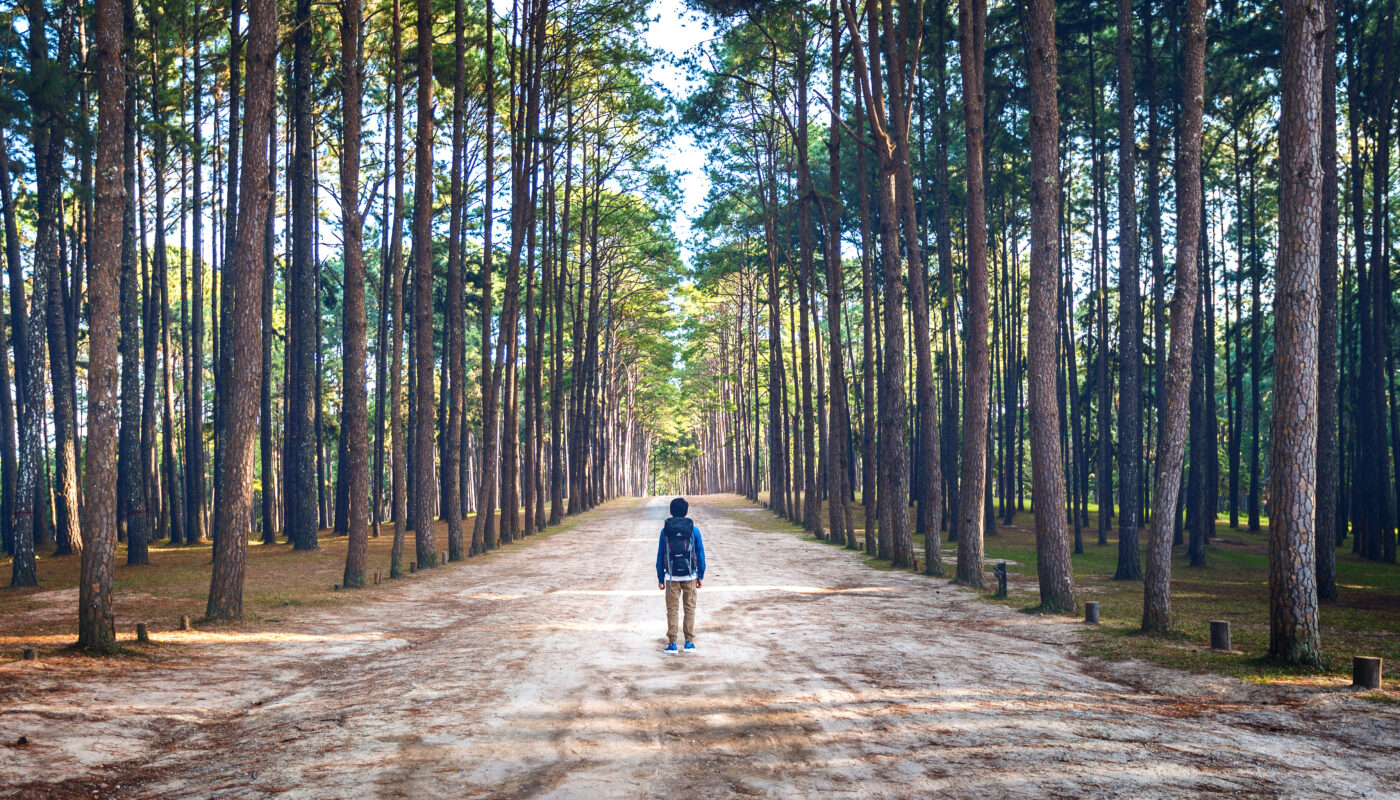
Forests create immersive sensory environments filled with filtered light, earthy scents, and natural silence. Tree-covered paths encourage grounding and calm breathing.
Forest mindfulness routes often incorporate practices inspired by forest bathing, where participants intentionally engage all senses.
Alpine Contemplation Paths
Mountain environments offer expansive views that naturally inspire reflection. Mild mountain paths provide perspective and emotional clarity by letting hikers reflect on expansive vistas.
These routes often include panoramic viewpoints designed for stillness rather than photography alone.
Coastal Mindfulness Walks
Oceanfront paths combine rhythmic wave sounds with open horizons. The repetitive motion of water naturally supports meditative states and emotional release.
Walking along coastlines encourages slow pacing and deep breathing synchronized with the sea.
Cultural Pilgrimage Routes
Some historic walking paths originally created for spiritual journeys now function as mindfulness trails. Pilgrimage walking emphasizes intention, simplicity, and personal reflection rather than religious obligation.
Designing a Mindfulness Trail
Creating a successful mindfulness route requires collaboration between landscape planners, psychologists, and environmental experts.
Environmental Considerations
Designers prioritize conservation. Trails are routed to minimize ecological impact while showcasing natural beauty responsibly.
Sustainable materials are often used for pathways, signage, and seating areas.
Psychological Flow
Trail experiences are carefully sequenced:
- Arrival zone – transition from busy life
- Immersion phase – deep sensory engagement
- Reflection stations – guided pauses
- Integration area – gentle return to daily awareness
This structure mirrors meditation practices, helping participants gradually enter and exit mindful states.
Accessibility
Many mindfulness trails are designed to accommodate diverse abilities, including families, older travelers, and people new to hiking.
How to Practice Mindfulness on a Trail
Even without formal meditation experience, anyone can benefit from mindful walking.
Step 1: Set an Intention
Before starting, pause briefly. Ask yourself why you are walking. Your intention might be relaxation, clarity, gratitude, or emotional healing.
Step 2: Slow Your Pace
Walk slower than usual. Allow awareness to settle into each step rather than focusing on reaching the end.
Step 3: Engage the Senses
Notice:
- The feeling of the ground beneath your feet
- Wind against your skin
- Sounds of birds or water
- Changes in light and temperature
Let observation replace analysis.
Step 4: Focus on Breathing
Match your breathing rhythm to your steps. For example, inhale for three steps and exhale for three.
Step 5: Accept Wandering Thoughts
Mindfulness does not require emptying the mind. When thoughts arise, acknowledge them gently and return attention to walking.
Seasonal Experiences on Mindfulness Trails
Each season transforms the reflective experience.
Spring
Renewal dominates spring walks. Emerging flowers and fresh greenery symbolize beginnings and growth.
Summer
Long daylight hours encourage extended reflection and deeper immersion in nature’s energy.
Autumn
Falling leaves and cooler air invite contemplation about change, transition, and gratitude.
Winter
Snow-covered trails amplify silence. Winter mindfulness walking often feels deeply introspective, as landscapes become simplified and peaceful.
Mindfulness Trails and Digital Detox
Modern life exposes individuals to constant notifications, screens, and information overload. Mindfulness trails provide an antidote by encouraging intentional disconnection.
Many travelers choose to:
- Silence phones
- Avoid photography during parts of the walk
- Replace music with natural soundscapes
This digital pause allows the brain to reset and regain emotional balance.
Social vs Solo Mindfulness Walking
Mindfulness trails can be experienced alone or with others.
Solo Walking
Walking alone encourages deep personal reflection. Many participants find solitude helps them reconnect with inner thoughts and feelings.
Guided Group Experiences
Some trails offer guided mindfulness walks led by trained facilitators. Group experiences introduce breathing exercises, silent walking periods, and shared reflections.
Both approaches offer unique benefits depending on personal preference.
Integrating Mindfulness Trails into Travel
Travelers increasingly plan entire trips around wellness experiences. Mindfulness trails can easily become a central part of a balanced itinerary.
Suggested approaches include:
- Morning reflection walks before sightseeing
- Sunset mindfulness strolls
- Combining trails with spa or wellness retreats
- Using walking days as recovery time between active adventures
Rather than exhausting travelers, mindfulness routes restore energy.
Challenges and Misconceptions
Despite growing popularity, mindfulness trails are sometimes misunderstood.
“It’s Just a Walk”
While physically simple, mindfulness walking requires intention and presence. The experience becomes meaningful through awareness rather than difficulty.
“You Must Be Spiritual”
Mindfulness trails are accessible to everyone regardless of beliefs. They focus on mental wellbeing rather than religion.
“You Need Training”
No prior meditation experience is required. Beginners often benefit the most from guided reflective walking.
Sustainability and Environmental Responsibility
Mindfulness trails often align closely with environmental ethics.
Participants are encouraged to:
- Stay on marked paths
- Avoid disturbing wildlife
- Carry reusable supplies
- Practice leave-no-trace principles
Respecting nature enhances both personal reflection and ecosystem preservation.
The Future of Mindfulness Trails
As wellness tourism continues to evolve, mindfulness trails are likely to expand in both urban and remote environments.
Emerging trends include:
- Urban reflection routes in city parks
- Therapeutic trails designed with mental health professionals
- Digital-free zones encouraging disconnection
- Inclusive trails accessible to people with mobility challenges
- Integration with wellness resorts and eco-lodges
These developments suggest mindfulness walking will become a permanent feature of future travel experiences.
Creating Your Own Mindfulness Trail
You do not need a designated route to experience mindful walking. Anyone can transform a local path into a reflection trail.
Choose a quiet environment such as:
- A neighborhood park
- Riverside walkway
- Botanical garden
- Forest path
Add simple rituals:
- Begin with three deep breaths
- Walk without checking your phone
- Pause halfway for reflection
- End with gratitude for the experience
The essence of mindfulness lies in awareness, not location.
Why Mindfulness Trails Matter Today
Modern lifestyles often prioritize productivity and speed, leaving little room for reflection. Mindfulness trails offer an alternative rhythm—one that values presence over performance.
By slowing down, travelers rediscover simple yet profound experiences:
- The sound of wind moving through trees
- The feeling of steady breathing
- The clarity that emerges in quiet moments
These walks remind us that wellbeing is not something we must chase. Often, it appears naturally when we pause long enough to notice the world around us.
Conclusion
Mindfulness trails represent more than a travel trend; they reflect a growing human desire for balance, calm, and meaningful connection. Designed to merge nature, movement, and reflection, these walking routes help individuals step away from noise and return to awareness.
Whether located in forests, mountains, coastal landscapes, or urban green spaces, mindfulness trails encourage travelers to slow their pace and rediscover the value of intentional living. Each step becomes an opportunity to reconnect with nature, emotions, and inner clarity.
In a world that constantly urges us to move faster, mindfulness trails gently offer a different invitation: walk slowly, breathe deeply, and allow the journey itself to become the destination.