 by
by High above the shimmering waters of Lake Lucerne rises one of Switzerland’s most beloved mountains — Mount Rigi. Known as the “Queen of the Mountains,” Mount Rigi has long attracted travelers seeking sweeping Alpine views, peaceful landscapes, and timeless traditions. Among its most enchanting experiences is the annual lantern and light walk, a winter tradition that transforms snowy trails into glowing pathways of warmth, community, and wonder.
Unlike large festivals filled with crowds and noise, Rigi’s lantern walks celebrate simplicity. Participants carry soft lantern light through quiet forests and snowy paths, embracing a slow, reflective journey that feels both festive and deeply personal. For locals and visitors alike, these illuminated walks capture the essence of Swiss winter culture — calm, magical, and beautifully human.
This article explores the history, atmosphere, cultural meaning, and unforgettable experience of Mount Rigi’s annual lantern and light walks.

The Origins of Lantern Walk Traditions in the Alps
Lantern walks have deep roots across Alpine regions. Long before electric lighting reached mountain villages, winter evenings were guided by candlelight and oil lamps. Communities relied on shared walks between villages, farms, and churches, often traveling together for safety and companionship during dark winter months.
In Switzerland, lantern processions gradually evolved into seasonal celebrations connected to Advent, midwinter festivals, and local community gatherings. Carrying light through darkness symbolized hope, warmth, and togetherness during the coldest time of year.
On Mount Rigi, these traditions blended naturally with the mountain’s reputation as a place of reflection and wellness. Over time, organized lantern walks became annual events welcoming visitors into a cherished local custom.

Why Mount Rigi Is the Perfect Setting
Few locations could host such an event as beautifully as Mount Rigi. Situated between Lake Lucerne and Lake Zug, the peak provides sweeping views of Central Switzerland.
Several characteristics make Rigi uniquely suited for lantern walks:
- Gentle, accessible hiking trails
- Open Alpine meadows surrounded by forests
- Spectacular winter sunsets
- Snow-covered landscapes reflecting soft light
- Easy access via mountain railway
Unlike more extreme Alpine peaks, Rigi’s terrain allows participants of all ages and fitness levels to join the experience comfortably.
Travelers often arrive via the historic Rigi Railway, one of Europe’s earliest mountain railways, which adds a sense of nostalgia before the walk even begins.
The Atmosphere: Walking Through Light and Silence
As evening approaches, participants gather near mountain stations or village centers such as Rigi Kulm or Rigi Kaltbad. Guides distribute lanterns — sometimes traditional candles protected by glass, sometimes modern LED lights shaped like glowing stars.
When the walk begins, something remarkable happens.
Conversation softens.
Footsteps crunch gently on snow.
Lanterns sway in rhythm with movement.
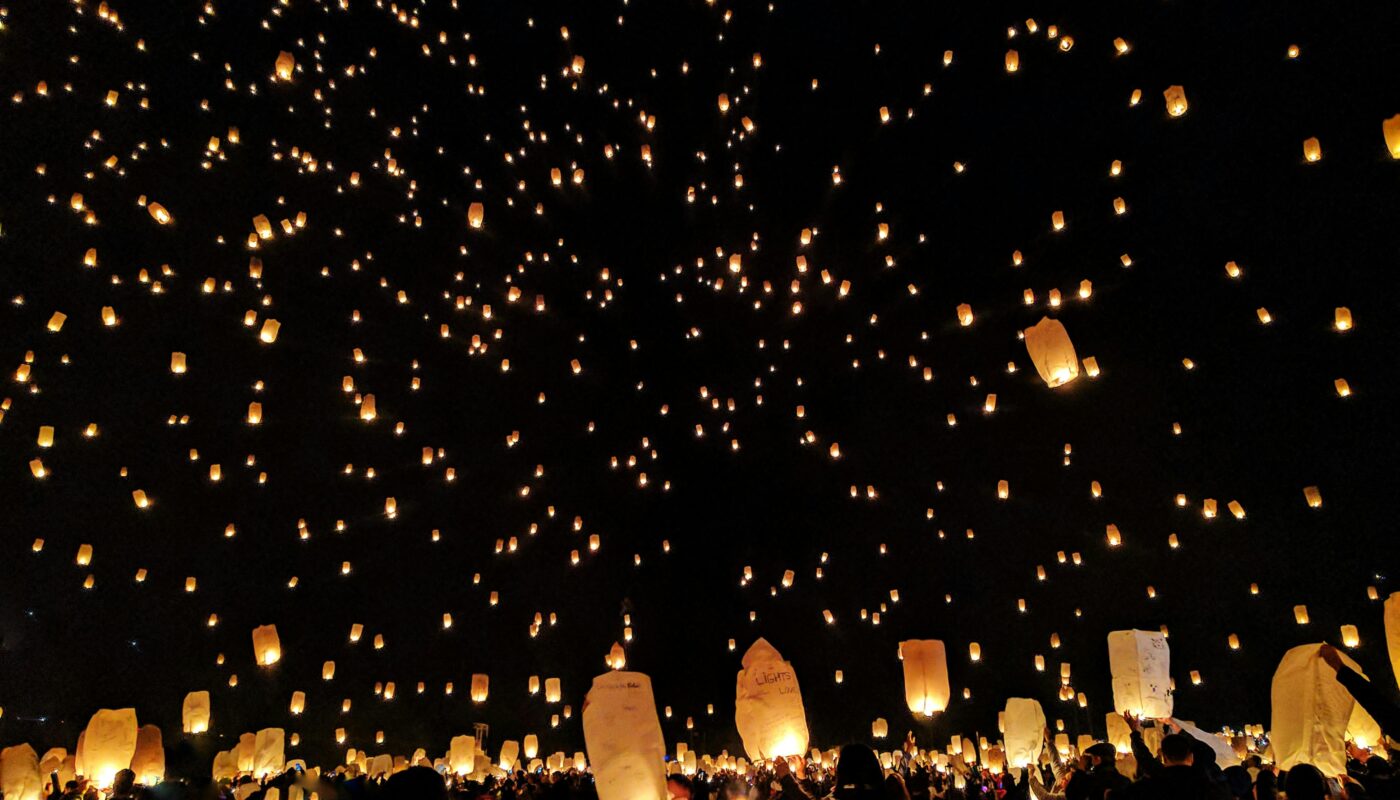
The illuminated trail winds through forests where branches glisten with frost. Snow reflects each flicker of light, creating an almost dreamlike glow. Without city noise or artificial brightness, the mountain feels suspended in time.
Many participants describe the experience as meditative rather than festive. It invites presence rather than excitement — a rare quality in modern tourism.
A Tradition for All Ages
One reason lantern walks remain so beloved is their universal accessibility.
Families with Children
Children often experience the walk as a fairy tale come to life. Carrying a lantern gives them responsibility and excitement, turning a simple hike into an adventure.
Parents appreciate:
- Safe, guided routes
- Short walking distances
- Warm refreshment stops
- Educational storytelling about Alpine traditions
For many families, the lantern walk becomes the highlight of a winter holiday.
Couples and Romantic Travelers
The soft lighting, snowy scenery, and quiet atmosphere create an undeniably romantic setting. Many couples schedule visits around these events for anniversaries or winter getaways.
Solo Travelers and Nature Lovers
Those traveling alone often find deep emotional connection during the walk. The silence of the mountain combined with shared human presence fosters a rare sense of belonging.
Seasonal Timing and Winter Magic
Lantern walks typically take place during the winter season, particularly:
- Advent weeks before Christmas
- New Year celebrations
- Midwinter evenings in January and February
Winter transforms Mount Rigi into a serene world of white landscapes and star-filled skies. The early sunset enhances the experience, allowing walks to begin just as twilight fades into night.
Weather plays an important role. Fresh snowfall amplifies the magical effect, while clear nights reveal expansive views over illuminated Swiss towns far below.
The Role of Light in Swiss Culture
Light holds strong symbolic meaning in Swiss winter traditions. Across the country, lantern festivals and illuminated events celebrate the return of longer days after winter solstice.
The lantern walk reflects several cultural themes:
- Community: Walking together strengthens social bonds.
- Hope: Light symbolizes resilience during dark seasons.
- Nature Respect: Moving quietly through landscapes encourages appreciation rather than domination of nature.
Rather than overwhelming the environment with spectacle, the event honors harmony between people and mountains.
Music, Stories, and Alpine Hospitality
Some lantern walks include cultural elements that deepen the experience.
Participants may encounter:
- Local musicians playing alphorns or soft folk melodies
- Storytelling about mountain legends
- Guides sharing regional history
- Warm beverage stations with hot chocolate, mulled punch, and tea
At cozy mountain restaurants, walkers often end the evening enjoying traditional Swiss cuisine. Wooden interiors glow with candlelight, creating a welcoming contrast to the cold outdoors.
This combination of movement, storytelling, and hospitality turns a simple walk into a shared cultural ritual.
Sustainability and Responsible Tourism
Mount Rigi’s lantern walks also reflect Switzerland’s strong commitment to sustainable tourism.
Organizers emphasize:
- Minimal environmental impact
- Small group sizes
- Respect for wildlife habitats
- Use of reusable or eco-friendly lanterns
Because the event relies on natural beauty rather than large infrastructure, it aligns closely with modern eco-conscious travel values.
Visitors experience authentic traditions while helping preserve Alpine ecosystems.
The Emotional Impact of the Lantern Walk
Many travelers arrive expecting a scenic activity but leave with something deeper — an emotional memory.
Walking through darkness illuminated only by gentle light encourages reflection. Without digital distractions, participants often reconnect with:
- Nature
- Family members
- Personal thoughts
- Seasonal gratitude
In a fast-paced world, the lantern walk offers rare stillness. The experience becomes less about sightseeing and more about feeling present.
Practical Tips for Visitors
For those planning to join a lantern walk on Mount Rigi, preparation enhances enjoyment.
Dress Warmly
Layered clothing, insulated boots, gloves, and hats are essential. Even gentle winter evenings can feel cold at higher altitudes.
Book in Advance
Lantern walks are popular, especially during holiday periods. Reservations ensure availability.
Arrive Early
Taking time to watch sunset views from Rigi’s viewpoints adds another magical layer to the evening.
Bring a Camera — but Use It Sparingly
Photos capture beauty, but many travelers recommend experiencing parts of the walk without devices to fully absorb the atmosphere.
Beyond the Walk: A Complete Rigi Winter Experience
Many visitors combine lantern walks with other winter activities on Mount Rigi:
- Snowshoe hiking
- Winter hiking trails
- Scenic train rides
- Wellness experiences in alpine spas
- Sledding and family snow activities
This combination allows travelers to experience both adventure and serenity in one destination.
Why the Tradition Continues to Captivate Visitors
In an era dominated by large-scale festivals and digital entertainment, Mount Rigi’s lantern walks remain refreshingly simple.
There are no fireworks.
No loud music.
No overwhelming crowds.
Instead, the event offers:
- Genuine human connection
- Respect for tradition
- Immersion in nature
- Quiet celebration of winter
This authenticity explains why the tradition continues to grow in popularity among travelers seeking meaningful experiences rather than spectacle.
A Symbol of Slow Travel
The lantern walk perfectly represents the philosophy of slow travel — experiencing a destination deeply rather than quickly.
Participants move at walking pace, noticing:
- The crunch of snow underfoot
- The scent of cold mountain air
- The glow of lantern light on trees
- The shared silence of strangers walking together
These small sensory moments become lasting memories.
Conclusion: Light in the Alpine Darkness
The annual lantern and light walks on Mount Rigi are more than seasonal events. They are living traditions that connect past and present, locals and visitors, nature and community.
As lanterns flicker against snowy landscapes and quiet trails wind through the Alpine night, participants become part of a timeless ritual. The experience reminds travelers that sometimes the most powerful journeys are not fast or dramatic but gentle and illuminated by shared light.
In a world constantly seeking brighter distractions, Mount Rigi offers something different — a peaceful walk through darkness guided by warmth, tradition, and human connection.
For many who attend, the memory lingers long after winter ends: a glowing path across a silent mountain, where light leads the way and the magic of Rigi comes alive.