 by
by Photography is deeply connected to time. A single location can appear completely different depending on the season, light conditions, and natural changes happening around it. A quiet lake in winter may feel minimalist and calm, while the same lake in autumn glows with fiery reflections. Understanding how seasons shape landscapes allows photographers to create stronger images and tell richer visual stories.
Rather than constantly searching for new destinations, many experienced photographers revisit familiar places throughout the year. Seasonal transformations provide endless creative opportunities, offering new colors, textures, weather conditions, and emotional moods.
This comprehensive guide explores the best seasonal photo spots, explaining how spring, summer, autumn, and winter each offer unique photography advantages, along with practical tips to help photographers capture memorable images year-round.

Why Seasonal Photography Matters
Nature operates on cycles. Light angles shift, vegetation evolves, wildlife behavior changes, and human activity adapts to weather conditions. These variations influence photography in powerful ways.
Each season provides:
- Different natural color palettes
- Unique lighting quality
- Changing atmospheric conditions
- Distinct storytelling possibilities
Photographers who learn to anticipate seasonal changes gain a significant creative advantage. Instead of reacting to conditions, they plan shoots around nature’s rhythm.

Spring Photography: Fresh Beginnings and Soft Light
Spring represents renewal. After months of cold or dormancy, landscapes awaken with new growth, fresh colors, and dynamic environmental energy.
Characteristics of Spring Photography
Spring scenes often include:
- Blooming flowers
- Flowing rivers and waterfalls
- Misty mornings
- Vibrant greens replacing winter browns
Light during spring tends to be gentle due to frequent cloud cover and moisture in the air. This soft illumination reduces harsh shadows and enhances natural colors.
Best Spring Photo Locations
Flower Fields and Gardens
Spring is famous for floral photography. Blossoms create delicate textures and romantic moods ideal for both landscape and portrait photography.
Popular subjects include:
- Cherry blossoms
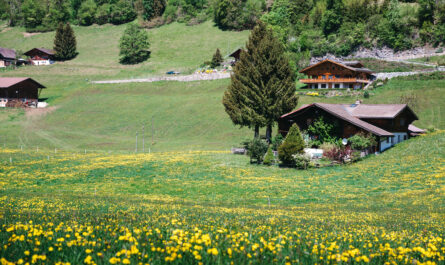
- Wildflower meadows
- Botanical gardens
- Urban parks bursting with color
Low-angle compositions work especially well when photographing flowers.
Waterfalls and Mountain Streams
Melting snow increases water flow, making spring one of the best seasons for waterfall photography.
Key advantages:
- Stronger water movement
- Lush surroundings
- Mist creating atmospheric effects
Long exposure techniques help create silky water textures.
Wetlands and Lakes
Spring migration brings birds and wildlife back to lakes and marshlands.
Photographers can capture:
- Reflections in calm water
- Morning fog scenes
- Wildlife activity
Early morning remains the ideal time for peaceful compositions.
Spring Photography Tips
- Use wide apertures for dreamy floral shots
- Shoot after rain for richer colors
- Look for reflections and dew details
- Embrace cloudy skies instead of waiting for sun
Spring photography tells stories of growth and new beginnings.
Summer Photography: Energy, Color, and Exploration
Summer brings vitality. Landscapes feel alive, travel increases, and long daylight hours expand shooting opportunities.
Summer’s Photographic Strengths
Summer offers:
- Bright skies
- Vibrant landscapes
- Active outdoor scenes
- Extended golden hours
However, strong sunlight can create challenging lighting conditions during midday.
Best Summer Photo Locations
Mountain Landscapes
High-altitude regions shine in summer when snow retreats and hiking trails open.
Ideal subjects include:
- Alpine lakes
- Panoramic viewpoints
- Dramatic ridgelines
- Wildflower-covered slopes
Clear visibility often allows for spectacular wide-angle photography.
Coastal Areas and Beaches
Summer is perfect for photographing oceans and shorelines.
Photographers can capture:
- Sunrise reflections on water
- Long-exposure waves
- Silhouettes during sunset
- Lifestyle travel scenes
Neutral density filters help control exposure under bright conditions.
Cities and Cultural Events
Urban photography thrives in summer thanks to outdoor festivals, markets, and street performances.
Human elements introduce storytelling opportunities rarely seen during quieter seasons.
Summer Photography Tips
- Avoid harsh midday light when possible
- Shoot during sunrise or sunset
- Use shadows creatively
- Capture motion such as wind, water, or crowds
Summer photography emphasizes movement and vibrancy.
Autumn Photography: Color, Texture, and Emotion
Autumn is widely considered the most visually dramatic season for photography.
Why Autumn Stands Out
As temperatures drop, foliage transforms into rich shades of red, orange, gold, and amber. Combined with softer sunlight and frequent mist, autumn creates cinematic landscapes.
The season naturally evokes emotion, nostalgia, and warmth.
Best Autumn Photo Locations
Forest Trails
Forests become immersive environments filled with color.
Photographic opportunities include:
- Tree tunnels covered in leaves
- Backlit foliage
- Pathways disappearing into fog
Simple compositions often work best because color provides natural impact.
Lakes and Reflections
Still water mirrors autumn colors beautifully.
Early mornings often produce:
- Mist rising from water
- Perfect reflections
- Soft, golden light
Polarizing filters help enhance color saturation.
Countryside Landscapes
Rural areas, vineyards, and farmland become visually rich during harvest season.
Autumn light complements architectural photography, portraits, and travel storytelling.
Autumn Photography Tips
- Shoot during overcast weather for deeper colors
- Look for contrast between warm leaves and cool skies
- Capture falling leaves using slower shutter speeds
- Include foreground elements for depth
Autumn images feel emotional and timeless.
Winter Photography: Minimalism and Atmosphere
Winter changes photography dramatically by simplifying scenes. Snow removes distractions, revealing structure and form.
Unique Qualities of Winter Photography
Winter introduces:
- Clean compositions
- High contrast scenes
- Soft reflected light
- Dramatic weather conditions
Even familiar locations appear entirely new under snow.
Best Winter Photo Locations
Snowy Mountains
Winter landscapes offer striking visual clarity.
Subjects include:
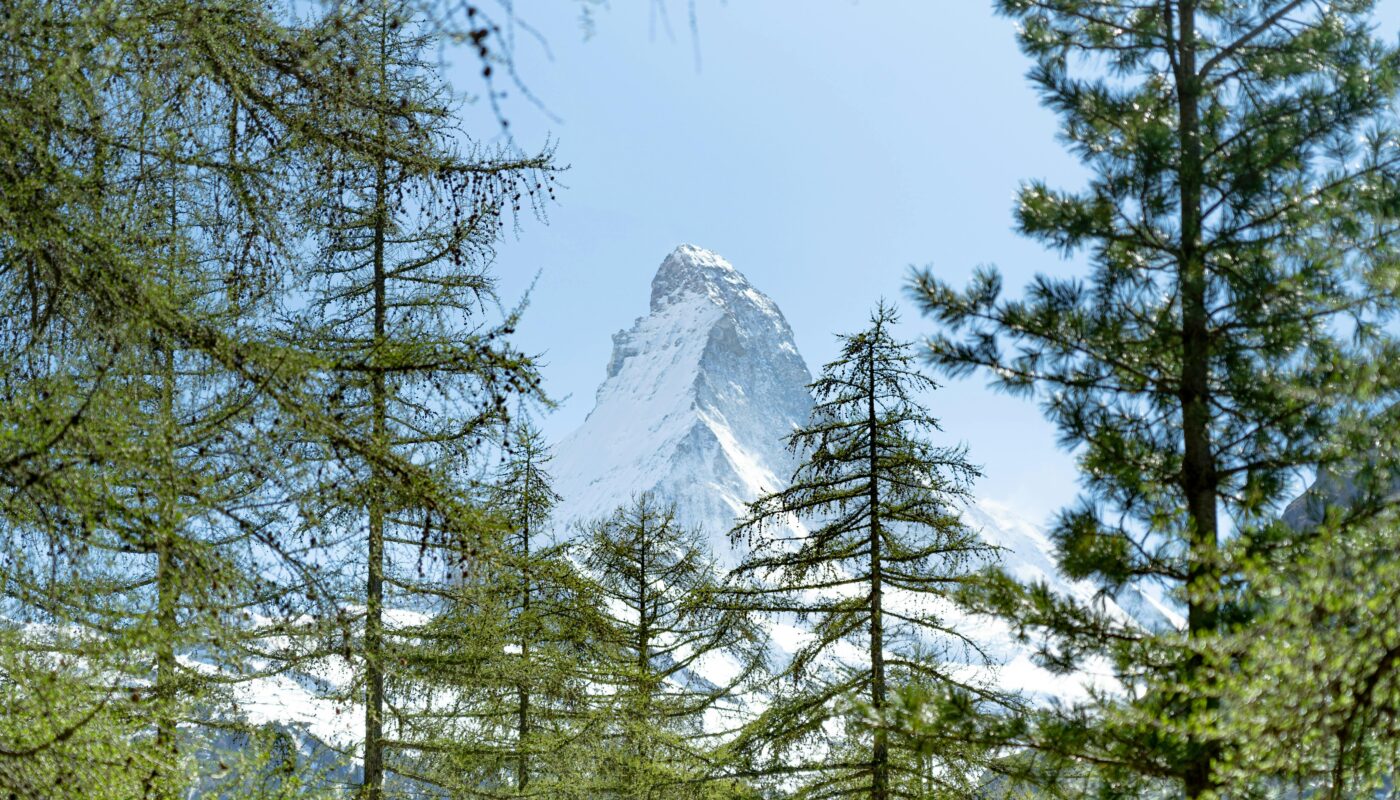
- Snow-covered peaks
- Frosted forests
- Mountain cabins
- Ski landscapes
Snow acts as a natural reflector, brightening scenes.
Frozen Lakes and Ice Details
Ice formations create abstract photographic opportunities.
Look for:
- Frozen bubbles
- Cracked ice patterns
- Frost textures
- Reflections beneath thin ice layers
Macro photography becomes especially rewarding.
Urban Winter Scenes
Cities take on magical atmospheres during winter.
Photographers can capture:
- Streetlights reflecting on snow
- Holiday decorations
- Quiet streets after snowfall
Night photography thrives in winter environments.
Winter Photography Tips
- Slightly increase exposure to avoid gray snow
- Carry extra batteries in cold temperatures
- Dress warmly to stay patient and creative
- Embrace snowfall and fog for mood
Winter photography highlights stillness and simplicity.
Comparing Seasonal Photography Styles
| Season | Mood | Key Subjects | Visual Strength |
|---|---|---|---|
| Spring | Fresh & hopeful | Flowers, waterfalls | Soft light |
| Summer | Lively & bright | Mountains, beaches | Long days |
| Autumn | Warm & dramatic | Forests, reflections | Rich colors |
| Winter | Calm & minimal | Snow landscapes | Strong contrast |
Each season excels in different creative areas.
Revisiting Locations Throughout the Year
One powerful photography exercise involves returning to the same location every season.
A single tree, lake, or mountain can produce four completely different photographic stories:
- Spring shows renewal
- Summer highlights abundance
- Autumn captures transformation
- Winter reveals simplicity
This approach helps photographers develop observation skills and deeper creative understanding.
Planning Seasonal Photography Trips
Successful seasonal photography requires preparation.
Consider:
- Bloom and foliage timing
- Weather patterns
- Sunrise and sunset angles
- Elevation changes
- Seasonal accessibility
Researching seasonal conditions increases the chance of capturing peak moments.
Essential Gear for All Seasons
While creativity matters most, certain equipment supports year-round photography:
- Tripod for stability
- Polarizing filter for color control
- Neutral density filters for long exposures
- Weather protection for cameras
- Comfortable layered clothing
Adaptability remains more important than expensive gear.
The Emotional Impact of Seasonal Photography
Seasonal photography connects deeply with human emotion because it reflects the passage of time.
- Spring symbolizes hope
- Summer celebrates life
- Autumn represents change
- Winter invites reflection
Photographers become storytellers of time itself, documenting nature’s continuous transformation.
Final Thoughts
The best seasonal photo spots are not defined solely by location but by timing, patience, and observation. Every landscape evolves throughout the year, offering endless opportunities for creativity.
Rather than chasing new destinations constantly, photographers often find greater inspiration by revisiting places repeatedly and witnessing seasonal change firsthand.
Each season presents its own masterpiece — vibrant spring growth, energetic summer adventures, emotional autumn colors, and serene winter minimalism.
Mastering seasonal photography means learning to see beauty in every moment of the year, understanding that nature never repeats itself in exactly the same way twice.