 by
by Across the world, landscapes are crisscrossed by ancient roads, mountain passes, forest tracks, and caravan trails that once carried the footsteps of travelers, traders, pilgrims, and explorers. Many of these pathways played crucial roles in shaping civilizations, connecting remote communities, and enabling trade across vast distances. Yet with the passage of time, new roads replaced them, settlements shifted, and nature slowly reclaimed these once-busy routes.
Today, these forgotten pathways lie hidden beneath forests, buried under drifting sand, or barely visible on mountain slopes. Some survive as faint tracks worn into stone or grass; others are preserved through archaeology and historical records. Exploring abandoned routes reveals not only physical landscapes but also the stories of the people who once relied on them.
This article explores the fascinating world of forgotten pathways and abandoned trails—how they formed, why they disappeared, and why they still matter today.

The Role of Pathways in Early Civilizations
Before highways, railroads, and modern transportation systems, pathways were the lifelines of human movement. Communities relied on footpaths, animal trails, and rudimentary roads to travel, trade, and communicate.
These routes developed gradually. Early humans often followed natural corridors created by animals or rivers. Over time, repeated travel widened these tracks into recognizable pathways. As trade expanded and populations grew, routes became more structured, sometimes paved with stones or reinforced to support carts and pack animals.
Historic routes like the Silk Road and the Amber Road illustrate how pathways could connect entire regions. These routes enabled the movement of goods, ideas, technologies, and cultures across continents.

Even in remote areas, small mountain trails or forest routes were essential for local survival. Farmers used them to reach grazing lands, merchants traveled them to reach distant markets, and pilgrims followed them toward sacred sites.
Why Many Historic Routes Were Abandoned
Despite their importance in the past, countless historic pathways eventually fell out of use. Several factors contributed to their abandonment.
1. Changes in Transportation
Perhaps the most common reason for abandoned routes is technological change. As transportation evolved—from walking to horse travel, then to railways and automobiles—new roads were built to accommodate faster and larger vehicles.
Old trails that were too narrow, steep, or remote gradually lost their relevance. Highways and rail lines bypassed them, leaving once-busy routes deserted.
2. Shifts in Trade and Economy
Economic shifts often altered the importance of travel routes. When trade centers moved or new ports opened, merchants began using different pathways.
For instance, sections of the Silk Road declined after maritime trade routes became more efficient. Once bustling caravan routes faded into obscurity.
3. Environmental Changes
Nature itself can erase human pathways. Landslides, flooding, volcanic eruptions, and desertification can destroy roads and make them unusable.
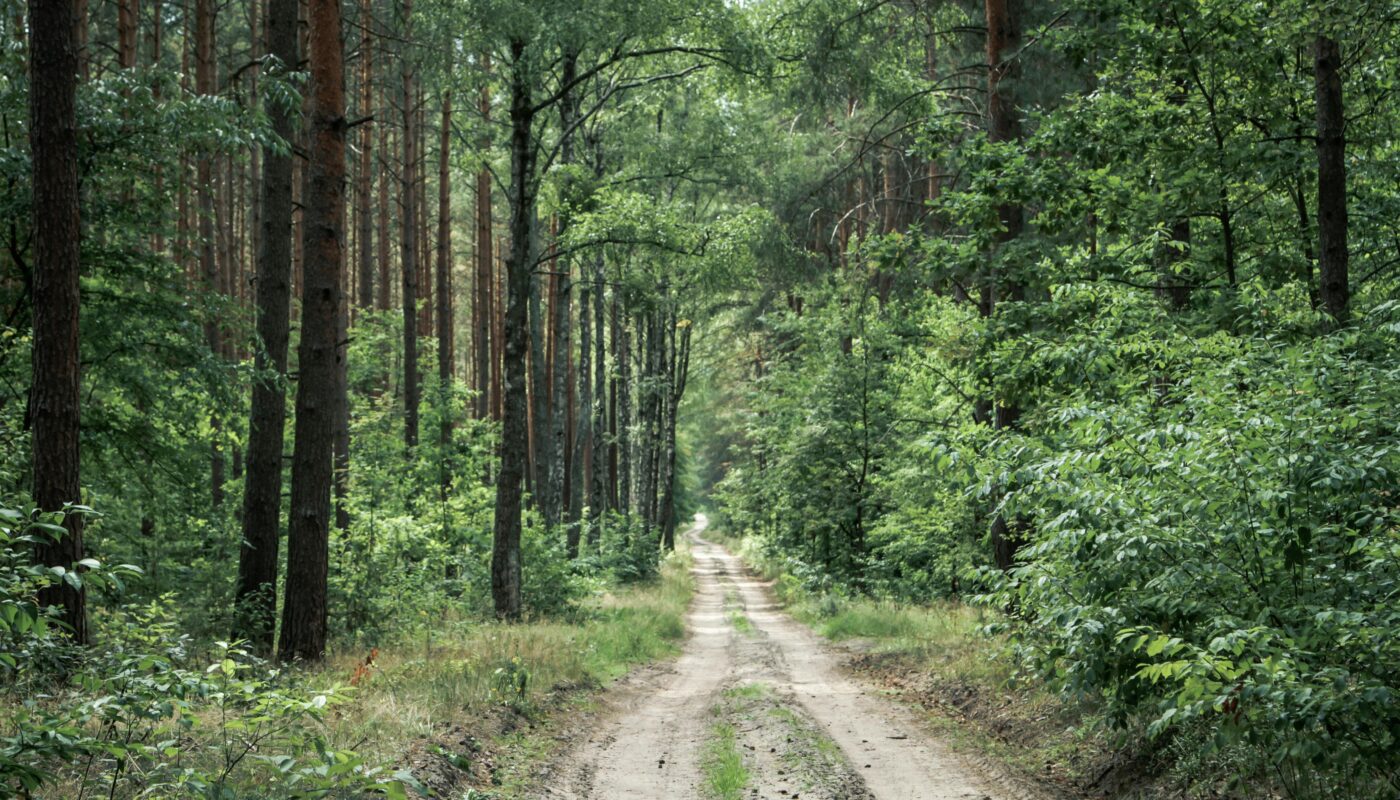
Forests may grow over abandoned trails, while sand dunes can bury desert routes entirely. These routes are reclaimed by the landscape over decades or perhaps centuries.
4. Political and Social Transformations
Wars, border changes, and political decisions can also lead to abandoned routes. When territories shift or new borders restrict travel, traditional pathways may become inaccessible.
Some trails disappear because the communities that once used them relocate or decline.
Ancient Roads That Time Forgot
Although many forgotten routes have faded from memory, others are still visible as remnants of ancient infrastructure.
Roman Roads
One of the most famous examples of historic pathways comes from the Roman Empire. Roman engineers built an extensive network of roads that stretched across Europe, North Africa, and the Middle East.
Many Roman roads were paved with stone and carefully engineered for durability. While some remain in use today, others have been abandoned and lie hidden beneath forests or farmland.
These ancient routes were remarkable for their straight lines, drainage systems, and standardized construction techniques. Even today, archaeologists uncover segments of Roman roads that reveal the advanced engineering skills of the empire.
Pilgrimage Trails
Throughout history, spiritual journeys created networks of pilgrimage routes. One of the most famous is the Camino de Santiago, which leads to the cathedral of Santiago de Compostela.
While many pilgrims still walk parts of this trail today, numerous branches of the historic network were abandoned over time as religious travel patterns changed.
These forgotten pilgrimage paths often pass through remote villages, ancient forests, and mountain passes, preserving a quiet sense of spiritual history.
Mountain Trails Lost to Time
Mountain landscapes are particularly rich in abandoned pathways. Before modern roads, mountain communities depended heavily on narrow trails to move goods and livestock between valleys.
In the Alps, Himalayas, and Andes, many historic trails once used by shepherds, traders, and travelers have disappeared.
For example, traditional alpine routes connected villages long before paved roads reached high elevations. When modern transportation arrived, these trails became obsolete.
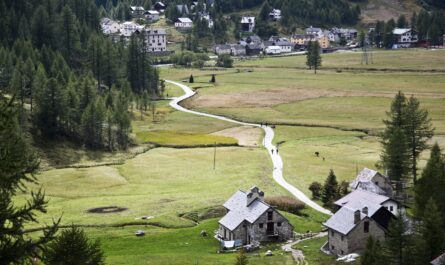
Today, hikers occasionally rediscover these forgotten tracks—stone steps carved into cliffs, wooden bridges collapsed into streams, or faint pathways winding across alpine meadows.
Such discoveries reveal how previous generations adapted to extreme terrain using only simple tools and remarkable endurance.
Desert Caravan Routes
Some of the most mysterious abandoned pathways lie in the deserts of the world. For centuries, camel caravans traveled across vast arid regions carrying spices, textiles, salt, and precious metals.
Caravan trails connected oasis towns and trading centers. However, desert landscapes are constantly shifting. Wind-blown sand can quickly bury evidence of human movement.
Many caravan routes associated with the Silk Road or the Trans-Saharan Trade Routes have vanished beneath the desert.
Archaeologists often rely on satellite imagery, historical records, and excavations to locate traces of these lost pathways.
Ghost Roads of the Industrial Age
Not all forgotten routes are ancient. Some date back only a century or two.
During the industrial revolution, mining towns, logging camps, and railway projects created networks of roads and tracks in remote areas. When industries declined or resources were exhausted, entire transportation networks were abandoned.
Old railway lines, mining roads, and logging trails can still be found in forests around the world. Over time, these routes become overgrown with vegetation, leaving behind ghostly reminders of past economic booms.
Many modern hiking and cycling trails actually follow these old industrial routes, repurposing them for recreation.
How Nature Reclaims Abandoned Trails
One of the most fascinating aspects of forgotten pathways is how quickly nature reclaims them.
Without constant use, even well-built roads can deteriorate rapidly. Rain erodes surfaces, plants grow through cracks, and tree roots break apart stone structures.
Over decades, forests may cover entire pathways, leaving only subtle signs such as:
- Unusual straight lines in vegetation
- Stone alignments beneath soil
- Old bridges hidden among trees
- Sunken tracks where carts once passed
In deserts, wind can erase roads within years, while in humid jungles, vegetation can swallow entire settlements and their connecting trails.
This process highlights the dynamic relationship between human construction and the natural environment.
Rediscovering Lost Pathways Through Technology
Modern technology is helping historians and archaeologists rediscover forgotten routes that once shaped human history.
Satellite Imaging
High-resolution satellite imagery allows researchers to detect faint patterns in landscapes that might indicate ancient pathways. Even slight changes in soil color or vegetation can reveal buried roads.
LiDAR Mapping
Light Detection and Ranging (LiDAR) technology uses lasers from aircraft to map the ground surface beneath forests. This technique has uncovered hidden road networks in places such as ancient Central American civilizations.
Archaeological Surveys
Field archaeologists still play a crucial role in identifying abandoned routes. By examining terrain features, artifacts, and historical records, they reconstruct the pathways people once traveled.
Cultural and Historical Significance
Forgotten pathways are more than physical traces in the landscape. They represent human journeys, economic networks, and cultural exchanges.
These routes tell stories about migration, trade, and survival in challenging environments. They reveal how communities interacted long before modern technology connected the world.
Studying abandoned trails helps historians understand how societies developed and how geography influenced human movement.
Modern Revival of Old Trails
In recent years, many abandoned pathways have been rediscovered and restored for tourism and recreation.
Historic trails are now popular with hikers, cyclists, and heritage travelers who want to experience landscapes in a slower, more immersive way.
Some old pilgrimage routes have been revived, while former railway corridors have been transformed into scenic cycling routes.
This revival not only preserves historical heritage but also promotes sustainable tourism by encouraging travel on foot or by bicycle.
The Mystery and Romance of Forgotten Roads
There is something deeply captivating about abandoned pathways. Walking along a barely visible trail can evoke the feeling of stepping back into history.
Imagine the countless footsteps that once traveled that same path—merchants carrying goods, pilgrims seeking spiritual fulfillment, soldiers marching to distant lands, or farmers bringing crops to market.
Though modern roads have replaced many of these routes, their traces remain embedded in the landscape.
Each forgotten pathway holds a quiet reminder of humanity’s enduring desire to explore, connect, and move across the world.
Conclusion
Forgotten pathways and abandoned routes are silent witnesses to centuries of human movement. From ancient trade networks and mountain trails to industrial rail lines and caravan tracks, these paths shaped how people interacted with their environment and each other.
Though many have disappeared beneath forests, deserts, or modern infrastructure, their stories continue to inspire historians, archaeologists, and travelers alike.
Exploring these lost trails offers more than a journey through landscapes—it offers a journey through time, revealing the resilience, creativity, and determination of those who once walked them.
Even when the road fades, the history it carried never truly disappears.