 by
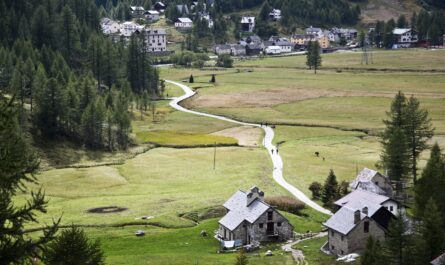
by Rising proudly above central Switzerland, Mount Rigi has long been known as the “Queen of the Mountains.” While travelers often visit the region for its breathtaking views of Lake Lucerne and Lake Zug, the culinary traditions surrounding this alpine landscape are equally remarkable. Over centuries, the people living around Rigi developed a rich food culture deeply tied to the seasons, the mountain climate, and the resources available from local farms and forests.
Seasonal foods in the Rigi region are not simply about fresh ingredients; they reflect a lifestyle shaped by altitude, weather patterns, and agricultural traditions. From hearty winter cheese dishes to vibrant summer dairy products and autumn harvest specialties, the region’s cuisine tells a story of adaptation, sustainability, and cultural heritage.
This article explores the seasonal foods that define life around Mount Rigi and explains how each season brings its own flavors to the table.

The Alpine Food Tradition
Before modern transportation connected mountain villages to larger cities, communities around Mount Rigi relied almost entirely on local agriculture. The growing season in alpine regions is relatively short, which meant residents had to develop methods for preserving food for the long winter months.
Key elements of traditional alpine cuisine include:
- Dairy products from mountain cattle
- Root vegetables that grow well in cooler climates
- Wild herbs gathered from alpine meadows
- Preserved meats and cheeses
Today, these traditional foods remain central to regional cooking and continue to attract visitors interested in authentic Swiss culinary experiences.

Spring: Fresh Dairy and Early Greens
Spring marks the awakening of the mountains. As snow begins to melt across the slopes of Mount Rigi, alpine meadows slowly return to life. This season introduces lighter foods that reflect the freshness of new growth.
Fresh Alpine Cheese
One of the first seasonal delicacies to appear in spring is fresh alpine cheese. Unlike aged cheeses, these varieties are soft, creamy, and mild in flavor.
Cheeses prepared from milk gathered shortly after cows return to grazing pastures are produced by nearby dairy farms near Lake Lucerne. The diet of early spring grasses gives the milk a distinctive freshness that influences the taste of the cheese.
These cheeses are often enjoyed with rustic bread, herbs, and simple salads.
Wild Herb Dishes
Spring also brings an abundance of edible herbs. Locals traditionally gather plants such as wild garlic, nettles, and alpine chives.
These herbs are used to create:
- Herb soups
- Fresh pesto-like sauces
- Spring omelets
The use of wild greens not only adds flavor but also reflects a centuries-old tradition of foraging in alpine environments.
Summer: Alpine Pasture Specialties
In the Rigi region, summer is the most colorful season. High-altitude meadows bloom with wildflowers, and cattle graze freely across mountain pastures. This grazing season significantly influences the flavor of dairy products.
Alp Cheese (Alpkäse)
One of the most celebrated summer foods is Alpkäse, a traditional alpine cheese produced in mountain huts known as “alps.”
During summer months, herders bring cows to higher elevations around Mount Rigi. Fresh milk is immediately transformed into cheese using traditional methods.
Because cows feed on diverse alpine grasses and flowers, the resulting cheese develops complex flavors.
Alpkäse is often served with:
- Fresh bread
- Pickled vegetables
- Local honey
Visitors hiking around the region frequently stop at mountain huts to sample freshly made cheese.
Butter and Cream Specialties
Summer milk production also leads to an abundance of butter and cream. These ingredients form the base of many regional dishes.
Popular summer foods include:
- Creamy alpine soups
- Butter-rich pastries
- Fresh yogurt made from mountain milk
The richness of these dairy products reflects the nutritional needs of people working in mountain environments.
Berries from Alpine Forests
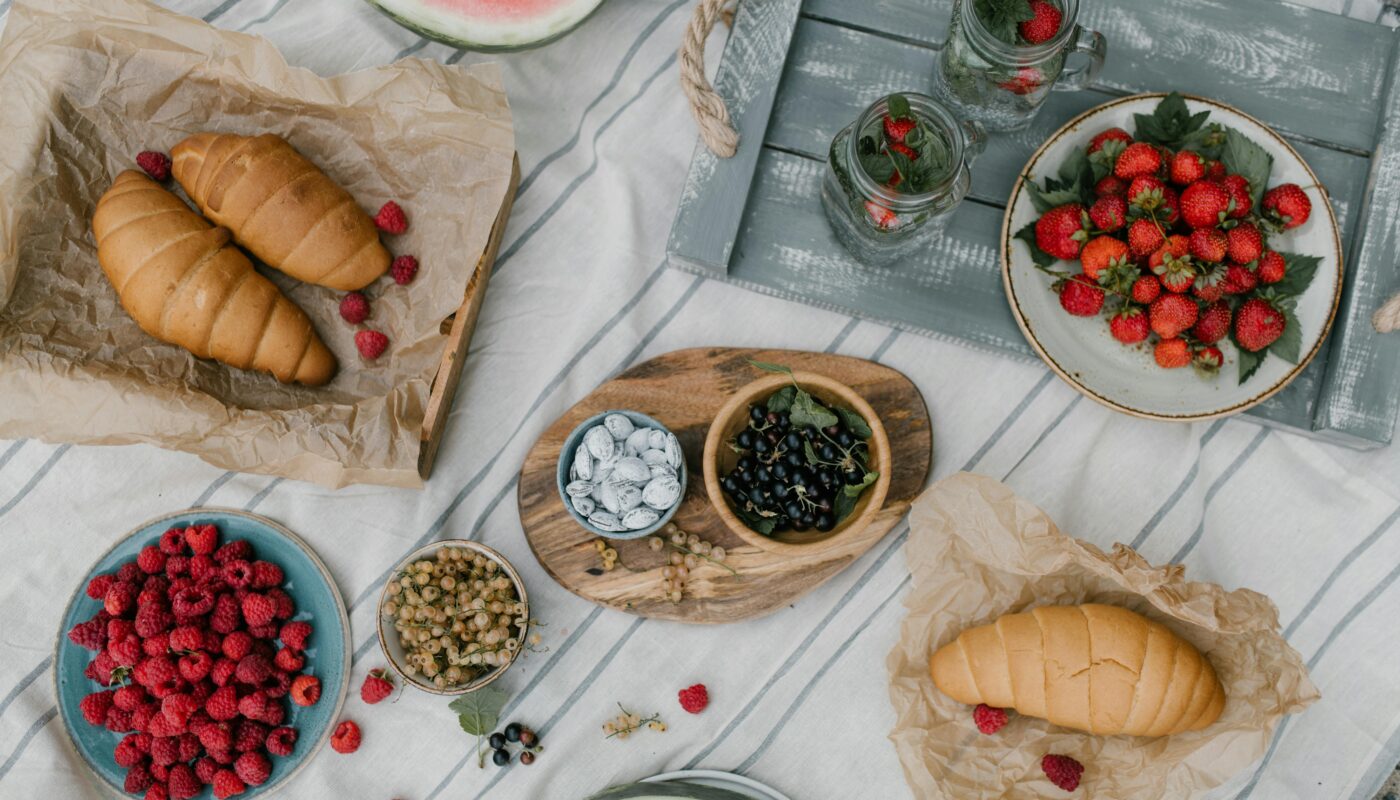
Summer forests around the Rigi region produce wild berries such as blueberries and raspberries. These berries are used in desserts, jams, and baked goods.
Berry tarts and berry compotes are particularly popular during summer festivals and local markets.
Autumn: Harvest Flavors of the Mountains
Autumn brings cooler temperatures and a sense of preparation for winter. Farmers harvest crops grown during the short alpine growing season, and kitchens become filled with hearty, warming dishes.
Root Vegetables
Root vegetables play a crucial role in autumn cuisine. Potatoes, carrots, and turnips thrive in cooler climates and provide reliable harvests.
These vegetables are commonly used in:
- Alpine stews
- Roasted vegetable dishes
- Traditional potato-based meals
Root vegetables store well throughout the winter, making them essential for long-term food supplies.
Chestnut Specialties
Chestnuts are another important autumn ingredient in parts of central Switzerland. Seasonal markets close to Lake Lucerne frequently sell roasted chestnuts.
Chestnuts may also be ground into flour or incorporated into desserts and stuffing dishes.
Mushroom Dishes
Autumn forests provide a variety of wild mushrooms.Freshly foraged mushrooms are frequently used by local chefs to make mushroom soups, risottos, and creamy sauces.
Mushroom dishes are especially popular among hikers returning from trails around Mount Rigi.
Winter: Hearty Alpine Comfort Foods
Winter transforms the Rigi region into a snow-covered wonderland. During this season, the cuisine shifts toward hearty meals designed to provide warmth and energy.
Cheese Fondue
Perhaps the most famous Swiss winter dish is cheese fondue. This dish involves melted cheese served in a communal pot where diners dip bread pieces using long forks.
In the Rigi region, fondue often uses locally produced cheeses combined with white wine from nearby regions.
Fondue has become a social ritual during cold evenings, bringing families and friends together.
Raclette
Another beloved winter dish is raclette, where melted cheese is scraped onto boiled potatoes, pickles, and onions.
Raclette meals are particularly popular after winter activities such as sledding or snowshoeing on the slopes of Mount Rigi.
Dried Meats and Sausages
During winter, preserved meats provide an important protein source. Meats can withstand the winter months by using conventional techniques like air-drying and curing.
These meats are often served with bread, cheese, and pickled vegetables.
Seasonal Desserts and Sweet Treats
Desserts also reflect the changing seasons in the Rigi region.
Spring and Summer Desserts
Lighter desserts often feature fresh fruits and dairy products.
Examples include:
- Berry tarts
- Yogurt-based desserts
- Cream-filled pastries
These confections showcase how many fresh ingredients are available in the warmer months.
Autumn and Winter Desserts
Colder seasons bring richer desserts such as:
- Nut cakes
- Chocolate pastries
- Warm apple strudels
The use of nuts and dried fruits reflects traditional preservation methods that ensure ingredients remain available throughout winter.
The Role of Alpine Markets and Festivals
Seasonal foods are often celebrated through markets and festivals across central Switzerland.
Local farmers and artisans gather to sell products such as:
- Fresh cheeses
- Homemade jams
- Honey and herbal products
These markets provide an opportunity for visitors to taste authentic regional specialties while supporting small-scale producers.
Festivals celebrating seasonal harvests help preserve traditional cooking techniques and ensure that regional food heritage continues to thrive.
Sustainability and Local Farming
One reason seasonal foods remain central to the Rigi region’s cuisine is the continued importance of small-scale farming.
Many farms near Mount Rigi maintain traditional agricultural practices, including rotational grazing and natural pasture feeding.
These practices help protect alpine ecosystems while producing high-quality dairy products and crops.
Sustainability also plays a role in modern tourism. Visitors increasingly seek farm-to-table dining experiences that showcase seasonal ingredients grown within the region.
Experiencing Seasonal Cuisine as a Visitor
Visitors to the Rigi region can sample seasonal cuisine in a number of contexts.
Mountain restaurants, alpine huts, and village cafés frequently design menus based on the time of year.
Visitors may enjoy:
- Fresh cheese tastings in summer
- Mushroom dishes during autumn hikes
- Fondue dinners after winter skiing
Each season offers a distinct culinary adventure that reflects the rhythm of life in the Alps.
Conclusion
The seasonal foods of the Rigi region reveal a deep connection between people, landscape, and tradition. From the fresh dairy products of spring and summer to the hearty comfort dishes of winter, every meal reflects the natural cycles of the alpine environment.
Surrounded by the beauty of Mount Rigi and the shimmering waters of Lake Lucerne, the region’s cuisine celebrates local ingredients, traditional farming methods, and the cultural heritage of central Switzerland.
For visitors, tasting seasonal dishes in the Rigi region is more than a culinary experience—it is an opportunity to understand how mountain communities have thrived for generations by working in harmony with nature.