 by
by Mountain villages, often nestled in remote and rugged landscapes, are home to some of the most enduring cultural traditions on Earth. Isolated by geography and shaped by challenging environments, these communities have developed rituals that reflect their relationship with nature, their spiritual beliefs, and their collective identity.
Far from being simple customs, these rituals play a central role in daily life. They mark the passage of time, strengthen social bonds, and express deep respect for the natural world. Whether performed during seasonal transitions, life events, or communal gatherings, cultural rituals in mountain villages provide a fascinating window into human resilience and creativity.
Living in Harmony with the Mountains
For many mountain communities, the surrounding peaks are not just part of the scenery—they are deeply meaningful. Mountains are often regarded as sacred presences, guardians, or ancestral spirits. This belief influences how people interact with their environment and shapes the rituals they perform.

In numerous regions, villagers conduct ceremonies to honor the land and seek balance with natural forces. Offerings of food, flowers, or symbolic objects are placed at significant sites such as hilltops, stone piles, or forest clearings. These acts are meant to express gratitude, ask for protection, and maintain harmony between humans and nature.
This spiritual connection fosters a mindset of respect and responsibility. Instead of viewing nature as something to control, mountain communities often see themselves as participants in a larger, interconnected system.
Seasonal Rhythms and Ritual Celebrations
Life in mountainous areas is strongly influenced by the changing seasons. Harsh winters, short growing periods, and unpredictable weather make timing essential. As a result, many rituals are closely tied to seasonal cycles, marking important transitions throughout the year.
Spring: Renewal and Hope
After months of cold and isolation, the arrival of spring is a moment of celebration. Rituals during this time focus on renewal, growth, and new beginnings.
Villagers may organize festivals featuring music, dancing, and colorful decorations. Flowers are commonly used as symbols of rebirth, while fire or sound—such as bells or drums—may be used to “awaken” the land and drive away the lingering effects of winter.
These celebrations are not only joyful but also symbolic, representing optimism for the coming agricultural season.
Summer: Abundance and Movement
Summer is a period of activity and productivity in mountain regions. Livestock is often moved to higher grazing areas, and communities become more mobile.
Rituals associated with this time may include blessings for animals, ceremonies before journeys, and communal gatherings centered around food production. For example, the making of traditional cheese or other local products often becomes a shared activity that blends work with cultural expression.
These practices emphasize cooperation and highlight the importance of collective effort in sustaining the community.
Autumn: Gratitude and Reflection
As the growing season comes to an end, autumn rituals focus on gratitude and preparation. Harvest festivals are common, bringing people together to celebrate the fruits of their labor.
Food plays a central role in these events, with communal meals symbolizing abundance and unity. Music, storytelling, and traditional dances often accompany these gatherings, reinforcing cultural identity.
In some villages, the return of livestock from high pastures is marked by ceremonial processions. Animals may be decorated, and villagers come together to acknowledge the successful completion of another seasonal cycle.
Winter: Protection and Preservation
Winter presents significant challenges in mountain environments. Cold temperatures, heavy snowfall, and isolation require both practical preparation and spiritual reassurance.
Rituals during this season often focus on protection and endurance. Some communities perform symbolic acts to ward off negative forces or ensure safety during the harsh months.
Winter is also a time for preserving traditions through storytelling, crafts, and music. Families gather indoors, sharing knowledge and passing down cultural heritage to younger generations.
Spiritual Dimensions of Mountain Rituals
Spirituality is deeply embedded in the rituals of mountain villages. These practices often blend formal religious beliefs with older, nature-based traditions.
Reverence for Natural Elements
Many rituals center around natural features such as rivers, trees, rocks, or specific mountain peaks. These elements are often considered sacred and are treated with great respect.
Ceremonies may involve offerings, prayers, or symbolic gestures performed at these sites. Such practices reinforce the idea that nature is not separate from human life but an essential part of it.
Rituals Surrounding Life and Death
Mountain communities often have distinct ways of marking life’s major transitions, including birth, marriage, and death.
Funeral practices, in particular, may reflect both environmental conditions and spiritual beliefs. In areas where traditional burial is difficult, alternative methods may be used, each carrying its own symbolic meaning about the cycle of life and the return to nature.
These rituals provide comfort and continuity, helping communities navigate the emotional and practical challenges of loss.
Protective Traditions
Given the unpredictability of mountain environments, many rituals are designed to offer protection. These may include blessings for homes, fields, and animals, as well as the use of symbolic objects believed to ward off harm.
Sound often plays a role in these practices. Instruments, bells, or chants may be used to create a sense of security and to signal unity within the community.
Artistic Expression as Ritual
In mountain villages, art is not separate from daily life—it is an integral part of cultural expression and ritual practice.
Music and Sound
Music is a powerful element of many rituals. Songs are used to celebrate, mourn, or communicate with others across long distances.
In some regions, unique vocal techniques have developed as a way to project sound across valleys. Over time, these techniques have become part of ceremonial traditions.
Instruments made from natural materials—such as wood or animal hide—are also commonly used, adding depth and resonance to rituals.
Dance and Movement
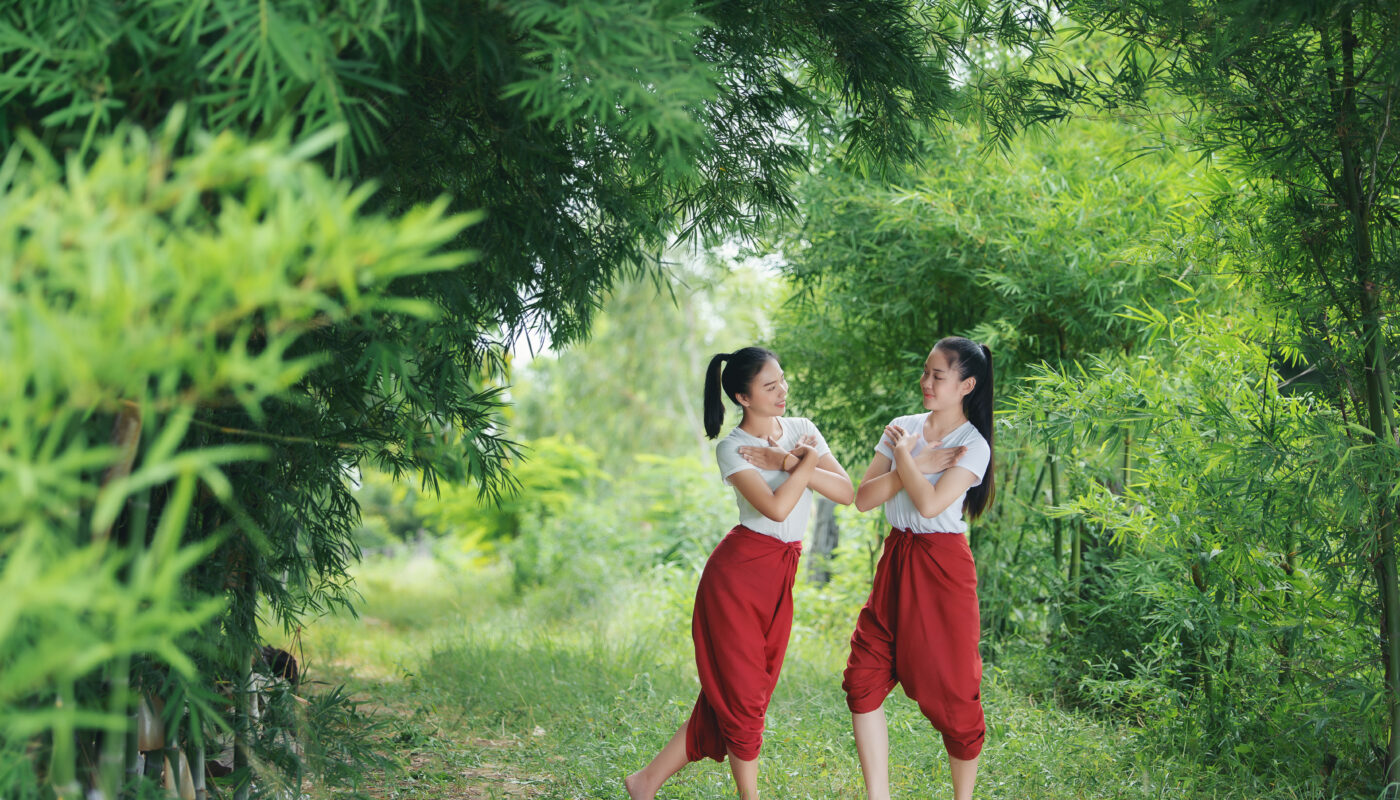
Dance is another important form of expression. Traditional dances often reflect aspects of daily life, nature, or local legends.
Participating in these dances is a way for individuals to connect with their community and honor their cultural heritage. The movements themselves may carry symbolic meanings, representing cycles, relationships, or historical events.
Storytelling Traditions
Storytelling plays a crucial role in preserving cultural knowledge. Through myths, legends, and personal narratives, elders pass down lessons and values.
These stories often include themes of survival, respect for nature, and the importance of community. They help maintain a shared identity and ensure that traditions continue across generations.
Everyday Rituals and Community Life
Not all rituals are grand or ceremonial. Many are woven into the fabric of everyday life, reflecting the values and rhythms of the community.
Agricultural Practices
Farming in mountainous terrain requires careful planning and cooperation. Rituals may accompany activities such as planting, harvesting, or tending to livestock.
These practices often include symbolic gestures meant to ensure success and express gratitude for the land’s resources.
Craftsmanship and Tradition
Traditional crafts are another form of ritual. Skills such as weaving, carving, or building are passed down through generations and often involve specific techniques or patterns.
These crafts are not only functional but also carry cultural significance, reflecting the history and identity of the community.
Social Gatherings
Regular gatherings—whether for work, celebration, or simply sharing meals—are essential to maintaining strong social connections.
In isolated environments, these interactions are vital. They create a sense of belonging and ensure that no one faces challenges alone.
The Influence of Isolation
The remoteness of mountain villages has played a key role in preserving their cultural traditions. Limited contact with outside influences has allowed rituals to remain intact over long periods.
This isolation has encouraged:
- Strong family and community ties
- Deep respect for tradition
- Continuous transmission of knowledge
However, as transportation and communication improve, these communities are becoming more connected to the outside world.
Balancing Tradition and Change
Modernization and tourism are bringing new opportunities to mountain villages, but they also present challenges. While increased interest can help support local economies, it can also lead to the commercialization of traditions.
Maintaining authenticity requires careful balance. Many communities are working to preserve their rituals while adapting to changing circumstances.
Efforts such as cultural education programs, heritage documentation, and responsible tourism initiatives are helping ensure that these traditions continue to thrive.
Conclusion
Cultural rituals in mountain villages are a testament to the adaptability and creativity of human societies. Shaped by challenging environments and deep spiritual connections, these traditions offer valuable insights into ways of living that prioritize harmony, resilience, and community.
From seasonal celebrations to everyday practices, these rituals form the backbone of mountain life. They connect people to their environment, their history, and each other.
As the world continues to evolve, preserving these traditions becomes increasingly important. They serve as a reminder of the close bond between people and the natural world in addition to being a source of cultural diversity.