 by
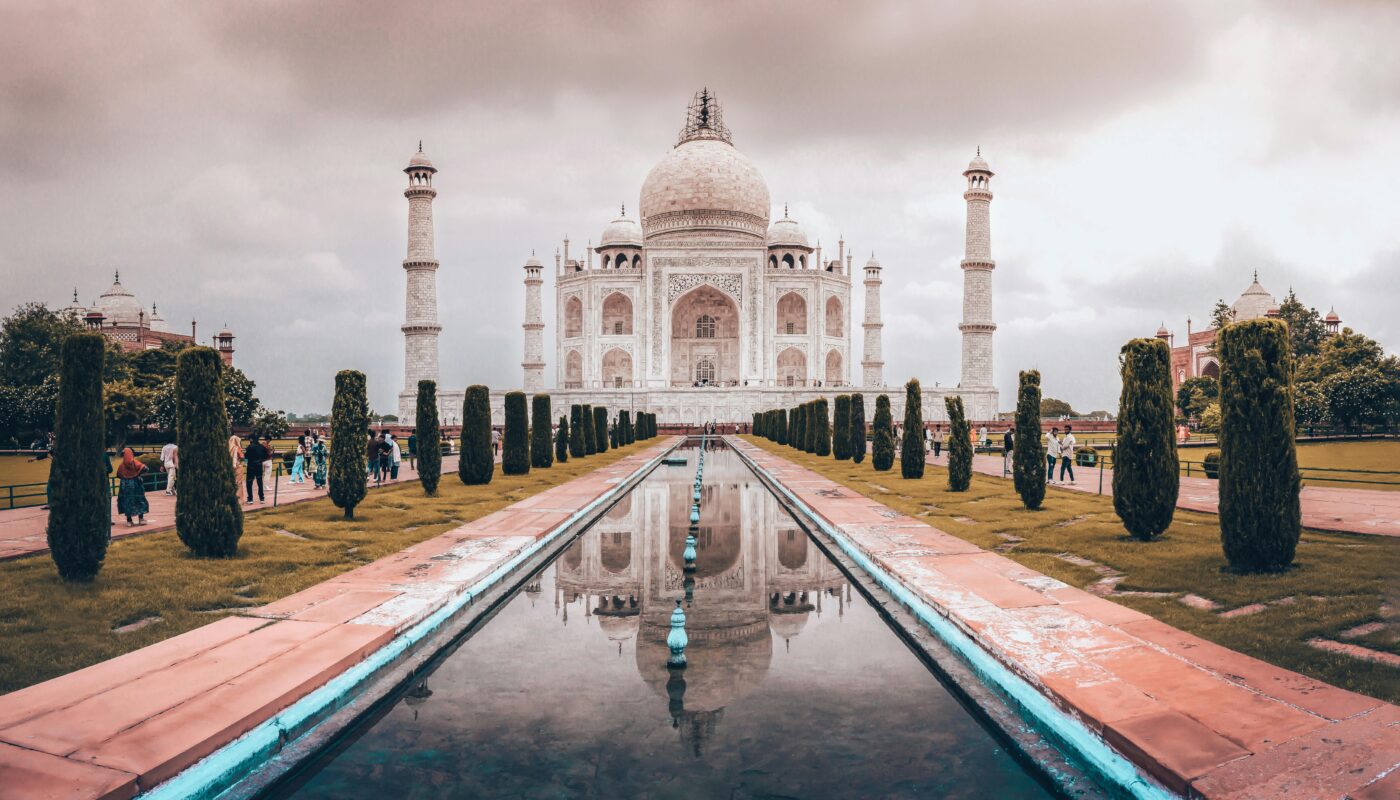
by When most people plan a historical trip, they gravitate toward world-famous sites like the Eiffel Tower, the Colosseum, or the Pyramids of Giza. While these landmarks are undeniably impressive, they represent only a fraction of the world’s cultural and historical heritage. Scattered across continents are lesser-known monuments, ancient ruins, and forgotten architectural treasures that often escape mainstream travel itineraries.
These overlooked sites may not appear on postcards or travel brochures, but they offer something equally valuable—authenticity, tranquility, and a deeper connection to history without large crowds. Exploring these hidden landmarks allows travelers to experience history in a more personal and reflective way.
This article explores some of the most fascinating historical landmarks that travelers frequently miss and explains why they deserve more attention.

Why Hidden Historical Sites Matter
Less-visited historical landmarks often provide a more intimate understanding of the past. Unlike heavily commercialized sites, these locations tend to preserve their original atmosphere and cultural context.
There are several reasons why they matter:
- They preserve local heritage that is not widely promoted
- They offer quieter, more reflective travel experiences
- They often remain structurally closer to their original form
- They support smaller communities through sustainable tourism
By visiting these places, travelers help distribute tourism more evenly and contribute to the preservation of lesser-known cultural treasures.

1. The Ancient Rock City of Matera, Italy (Old Town Districts)
While parts of Matera in southern Italy have gained recognition in recent years, many travelers still overlook its oldest cave dwellings and hidden districts carved into limestone cliffs.
The historic cave settlement, known as the “Sassi,” is one of the world’s oldest continuously inhabited human settlements. Despite its significance, many visitors only explore the more accessible sections and miss the deeper maze-like cave neighborhoods.
Walking through Matera’s quieter alleys reveals:
- Ancient cave churches with faded frescoes
- Underground water cistern systems
- Homes carved directly into rock
- Panoramic viewpoints with minimal crowds
Matera is a powerful example of how human civilization adapted to extreme environments over thousands of years.
2. The Forgotten Fortress of Suomenlinna’s Outer Islands, Finland
Most visitors to Helsinki are familiar with the sea fortress of Suomenlinna Sea Fortress, a UNESCO World Heritage Site spread across several islands. However, few explore the smaller surrounding islands that played supporting roles in the fortress system.
These lesser-known sections contain:
- Abandoned military bunkers
- Hidden tunnels used for defense
- Quiet coastal paths overlooking the Baltic Sea
- Historic artillery positions rarely visited by tourists
Because they require additional ferry routes or walking beyond main tourist paths, many visitors miss them entirely. Yet they offer a deeper understanding of Finland’s coastal defense history.
3. The Underground Roman Ruins of Nicopolis, Greece
The ancient city of Nicopolis in western Greece is often overshadowed by more famous archaeological sites like Athens or Delphi. Yet it contains extensive ruins that reveal the scale of Roman urban planning.
While some parts are well preserved, many visitors overlook the less accessible sections, including underground structures and remote excavation areas.
Highlights include:
- Ancient aqueduct systems
- Mosaic floors hidden in partially excavated buildings
- Early Christian basilicas
- Rural Roman villas outside main walking paths
These quieter ruins provide a more complete picture of Roman life beyond the heavily restored landmarks.
4. The Stone Circles of Avebury’s Outer Landscape, England
While Stonehenge attracts millions of visitors, the nearby village of Avebury Stone Circle is often far less crowded and equally significant.
Even within Avebury itself, many travelers miss the outer ring structures and surrounding prehistoric features spread across the countryside.
These include:
- Ancient burial mounds scattered across fields
- Smaller stone formations connected to ritual pathways
- Hidden earthworks only visible from higher ground
- Quiet walking trails linking Neolithic sites
Unlike Stonehenge, visitors can actually walk among the stones, making the experience more immersive and personal.
5. The Abandoned Silk Road Towns of Central Asia
Along the historic Silk Road, many ancient settlements once thrived as trade hubs connecting East and West. Today, several of these towns lie in ruins and are rarely visited due to their remote locations.
In regions of Uzbekistan and surrounding countries, travelers who venture beyond major cities discover forgotten caravan stops featuring:
- Deserted mud-brick structures
- Collapsed caravanserais once used by traders
- Ancient irrigation systems
- Wind-eroded watchtowers
These sites reflect centuries of cultural exchange and economic activity that shaped global history.
6. The Hidden Temples of Hampi’s River Islands, India
The ruins of Hampi Archaeological Site are widely known, but many visitors do not cross the Tungabhadra River to explore the scattered temple remains on nearby islands.
These lesser-visited areas include:
- Small shrines partially reclaimed by nature
- Stone bridges connecting forgotten pathways
- Quiet meditation spaces used by monks centuries ago
- Wildlife-filled landscapes surrounding ancient ruins
Because they require boat crossings and longer walks, they remain relatively untouched compared to the main temple complex.
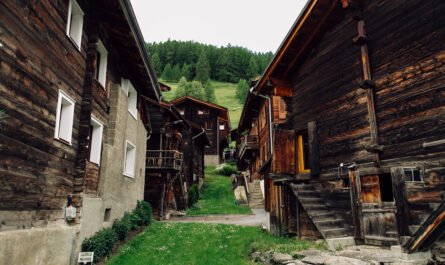
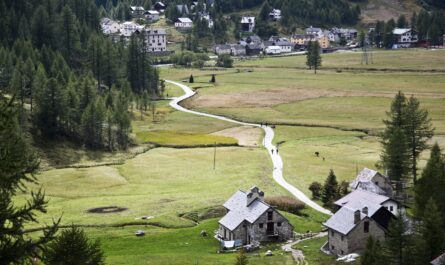
7. The Medieval Villages Hidden in the Pyrenees
Across the Pyrenees mountains between France and Spain, numerous medieval villages remain largely undiscovered by mainstream tourism. Many travelers pass through major routes without realizing that entire historic communities still exist in remote valleys.
These villages often feature:
- Romanesque stone churches
- Narrow cobblestone streets
- Fortified stone houses
- Centuries-old communal ovens
Their isolation has helped preserve architectural authenticity and traditional lifestyles that have disappeared elsewhere in Europe.
8. The Desert Castles of Jordan’s Eastern Frontier
While many visitors focus on Petra and Wadi Rum, Jordan’s eastern desert contains a series of lesser-known Islamic-era castles and hunting lodges often overlooked by tourists.
These structures include:
- Early Islamic desert palaces
- Fresco-covered bathhouses
- Caravan forts along ancient trade routes
- Water storage systems built for survival in arid climates
Because of their remote locations, they are rarely included in standard travel itineraries, yet they reveal important aspects of early Islamic architecture and governance.
9. The Forgotten Industrial Heritage Sites of Eastern Europe
In countries like Poland, Czech Republic, and Slovakia, many industrial-era landmarks from the 19th and early 20th centuries remain under-visited.
These include:
- Abandoned coal mines converted into museums
- Old steel mills preserved as heritage sites
- Railway workshops with original machinery
- Worker housing districts reflecting early industrial life
These locations tell the story of modernization and labor history, offering a different perspective from ancient ruins and royal palaces.
10. Why These Hidden Landmarks Are Worth Visiting
Traveling to lesser-known historical sites offers unique advantages that popular destinations often cannot provide.
1. Fewer Crowds
Visitors can explore at their own pace without waiting in long lines or navigating large tour groups.
2. Deeper Cultural Insight
These sites often preserve more authentic local stories and traditions.
3. Better Preservation Experience
Many hidden landmarks remain closer to their original condition due to lower foot traffic.
4. More Meaningful Travel
The sense of discovery adds emotional value to the journey, making the experience more memorable.
Conclusion: Rediscovering History Off the Beaten Path
History is not confined to famous monuments or globally recognized landmarks. It exists in quiet ruins, remote villages, forgotten fortresses, and overlooked archaeological sites scattered across the world.
Exploring these hidden places allows travelers to connect with history in a more personal and immersive way. It also helps preserve cultural heritage by spreading awareness and supporting lesser-visited destinations.
Ultimately, the world’s most meaningful historical experiences are not always the most famous ones—they are often the ones waiting quietly off the beaten path, ready to be discovered by those willing to look a little further.