 by
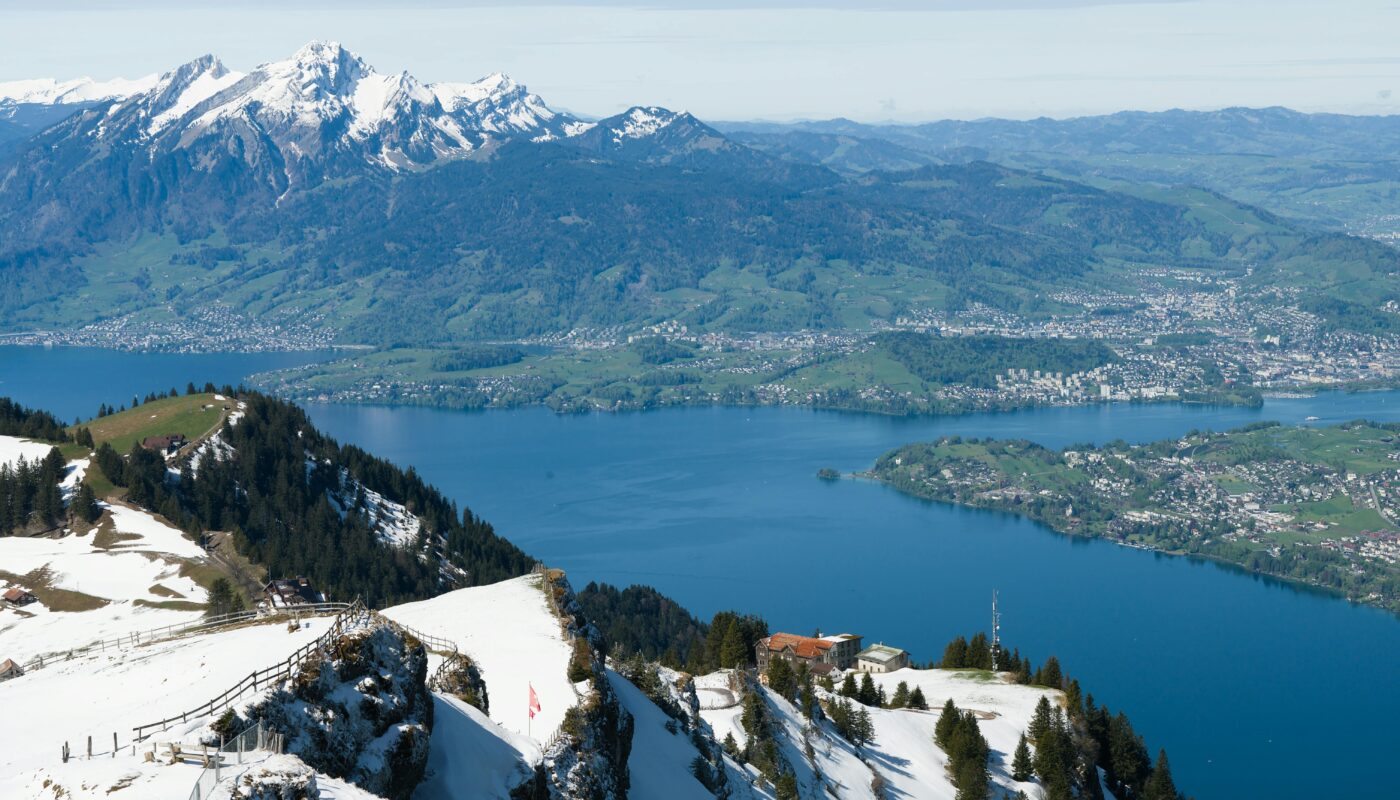
by Mount Rigi, famously known as the “Queen of the Mountains,” is one of Switzerland’s most welcoming alpine destinations for families. Located in central Switzerland between several lakes and panoramic peaks, it is widely appreciated for its easy access, scenic railway routes, and gentle walking paths that suit visitors of all ages.
Although it is less demanding than many alpine peaks, Mount Rigi is still a mountain environment. Weather conditions, elevation changes, and natural terrain require thoughtful preparation—especially when traveling with children or older family members.
This guide provides a detailed and practical overview of how families can stay safe while enjoying everything Mount Rigi has to offer.

Understanding the Mountain Environment Before You Go
Even though Mount Rigi is considered one of the more accessible mountains in Switzerland, it still rises to nearly 1,800 meters above sea level. At this height, conditions can differ significantly from nearby towns and lakesides.
Families should be aware that:
- Temperatures drop as you go higher
- Wind conditions can be stronger at the summit
- Fog may appear even on otherwise clear days
- Sunlight is more intense due to elevation
These natural factors make preparation essential, even for short or casual visits.

Safe and Comfortable Ways to Reach the Summit
One of the biggest advantages of Mount Rigi is its excellent transport system, which allows visitors to reach the top without difficult hiking.
Cogwheel Railway Experience
The historic cogwheel trains departing from Vitznau–Rigi Railway and Arth–Rigi Railway are the most reliable and family-friendly options for reaching the summit.
These trains offer:
- Stable, secure travel on steep gradients
- Spacious seating for families and children
- Easy boarding for strollers
- Large panoramic windows for sightseeing
Because they remove the need for physical exertion, they are especially suitable for families with young children or elderly travelers.
Weather Awareness: The Most Important Safety Factor
Weather is the most unpredictable element in any mountain trip. On Mount Rigi, conditions can change quickly within a short distance or time.
What to Check Before Leaving
Before starting your journey, always review:
- Mountain-specific weather forecasts (not just city forecasts)
- Visibility conditions at higher altitudes
- Wind speed at summit level
- Temperature differences between valley and peak
A key rule for families is to always prepare for colder and wetter conditions than expected in the valley.
Why It Matters
A sunny morning near Lake Lucerne can quickly turn into fog or light rain at the summit. Being prepared ensures comfort and prevents unnecessary risk.
Clothing and Equipment: Dressing Smart for Safety
Proper clothing is one of the simplest and most effective ways to ensure safety on Mount Rigi.
Layering System
Families should dress in layers so they can adjust easily:
- Base layer: Breathable and comfortable clothing
- Middle layer: Warm fleece or sweater
- Outer layer: Waterproof or wind-resistant jacket
Footwear Recommendations
Good shoes are essential, even on easy paths. Choose:
- Hiking shoes or sturdy sneakers with grip
- Waterproof footwear in wet or snowy seasons
Avoid smooth soles, sandals, or fashion shoes that lack traction.
For Children
Children should have:
- Warm jacket
- Hat or sun protection
- Comfortable walking shoes
- Extra layer for sudden temperature changes
Staying Safe on Trails and Viewpoints
Mount Rigi offers many walking paths, from fully paved promenades to moderate hiking routes. Families should always choose paths based on comfort and experience.
Basic Trail Safety Rules
- Stay on marked paths at all times
- Do not approach cliff edges for photographs
- Supervise children closely near viewpoints
- Avoid shortcuts or unofficial routes
Even easy paths can become slippery after rain or frost.
Family-Friendly Areas
Many sections of the mountain are designed specifically for relaxed walking, making them ideal for strollers and young children. These routes are clearly marked and maintained for safety.
Managing Altitude and Physical Comfort
While Mount Rigi is not extremely high, altitude can still affect some visitors.
Possible Effects
- Slight tiredness
- Mild shortness of breath
- Increased sensitivity to sunlight
- Faster dehydration
How to Stay Comfortable
- Take regular breaks during walks
- Drink water frequently
- Avoid rushing between viewpoints
- Allow children time to rest
Pacing the visit helps ensure a more enjoyable and safe experience for everyone.
Food, Hydration, and Rest Stops
One advantage of Mount Rigi is the availability of restaurants and rest areas throughout the mountain.
Food Safety Tips
- Eat at designated dining areas when possible
- Carry light snacks for children
- Avoid eating near steep or crowded edges
- Plan meals to avoid fatigue during walks
Hydration
Even in cool weather, hydration is essential. The dry mountain air can cause dehydration without noticeable warning signs.
Families should carry water bottles at all times and encourage regular drinking.
Emergency Preparedness and Safety Awareness
Mount Rigi is well-developed and safe, but families should still be prepared for unexpected situations.
Essential Safety Steps
- Keep mobile phones charged
- Carry a small first-aid kit
- Save emergency numbers in advance
- Know the nearest railway stations
Emergency Contacts in Switzerland
- General emergency: 112
- Medical assistance: 144
While emergencies are rare, being prepared adds an extra layer of safety.
Special Safety Tips for Families with Children
Children require additional attention in mountain environments.
Key Guidelines
- Keep children within sight at all times
- Use hand-holding or child harnesses near viewpoints
- Dress children in bright, visible clothing
- Plan frequent rest breaks
Common Risks to Watch For
- Overheating or sunburn in summer
- Cold exposure in windy areas
- Fatigue during longer walks
Supervision is the most important safety measure for families.
Weather Risks and How to Respond
Mount Rigi can experience sudden weather shifts even during stable seasons.
Possible Conditions
- Sudden fog reducing visibility
- Rain making paths slippery
- Strong winds near exposed areas
- Early snowfall in transitional seasons
What to Do
If weather worsens:
- Move to indoor shelters or stations
- Avoid exposed ridge areas
- Wait for transport rather than hiking down
Thanks to the railway system, leaving the mountain safely is always an option.
Seasonal Safety Considerations
Summer Conditions
- Warm weather but stronger sun exposure
- Higher visitor traffic
- Occasional thunderstorms
Winter Conditions
- Snow and ice on walking paths
- Reduced daylight hours
- Need for proper insulated footwear
- Fog or whiteout conditions possible
Each season requires different preparation strategies.
Transport Timing and Planning
A key part of safety on Mount Rigi is managing transportation schedules properly.
Important Tips
- Check train return times before starting walks
- Do not rely solely on mobile signals for timing
- Allow buffer time to reach stations
- Avoid last-minute rushing
Swiss mountain transport is reliable but runs on strict schedules.
Conclusion: Safe Exploration Leads to Better Experiences
Mount Rigi offers families a rare combination of accessibility, natural beauty, and well-developed infrastructure. It is one of the most welcoming mountain destinations in Europe, but like all alpine environments, it still requires respect and preparation.
By dressing appropriately, monitoring weather conditions, staying on designated paths, and planning transport carefully, families can enjoy a smooth and safe experience.
Ultimately, safety on Mount Rigi is about awareness rather than restriction. With thoughtful preparation, families can fully enjoy the breathtaking scenery, peaceful trails, and unforgettable alpine views while remaining secure and comfortable throughout their journey.