 by
by Winter transforms landscapes into scenes of rare beauty. Snow-laden trees, frost-covered meadows, frozen lakes, and crisp mountain air create an atmosphere that feels both peaceful and invigorating. While winter is often associated with skiing and snowboarding, winter walking has quietly become one of the most rewarding ways to experience cold-season nature. Carefully designed winter walking routes allow travelers and locals alike to enjoy breathtaking scenery without needing advanced technical skills or specialized equipment.
This guide explores winter walking routes that combine safety, accessibility, and unforgettable views, while also offering practical advice to help beginners and experienced walkers alike enjoy winter trails with confidence.
Why Winter Walking Is Special
Winter walking offers a slower, more mindful way to connect with nature. Unlike summer hiking, winter routes are typically quieter, with fewer visitors and a sense of stillness that amplifies every sound—crunching snow, distant bird calls, and the whisper of cold air through branches.
Another advantage is visual clarity. Snow simplifies the landscape, highlighting contours, peaks, forests, and valleys. Light reflects off icy surfaces, making winter an ideal season for photography and scenic appreciation. For many walkers, winter routes provide not just exercise, but mental clarity and calm.
What Makes a Winter Walking Route Safe?
Not all trails are suitable for winter walking. Safety depends on thoughtful route selection and proper maintenance. The best winter walking routes share several key characteristics:
1. Well-Maintained Paths
Winter walking routes are often groomed, packed, or regularly cleared of excessive snow. This reduces the risk of slipping and makes walking more predictable.
2. Gentle Gradients
Safe winter routes avoid steep ascents or narrow ridges. Gentle slopes minimize the chance of losing footing and allow walkers to maintain balance even in icy conditions.
3. Clear Signage
Visibility can be reduced in winter due to snowfall or fog. Clearly marked paths and frequent signposts help walkers stay oriented and avoid accidental detours.
4. Accessibility
Many winter walking paths are located near villages, resorts, or public transport, ensuring quick access to help if needed.
Essential Preparation for Winter Walking
Even the safest winter walking routes require preparation. The goal is not extreme endurance, but comfort, stability, and awareness.
Clothing for Winter Walking
Layering is essential. Start with moisture-wicking base layers, add insulating mid-layers, and finish with a windproof, waterproof outer layer. Avoid cotton, as it retains moisture and increases heat loss.
Footwear
Waterproof boots with good ankle support and strong grip are crucial. On icy paths, removable traction aids can significantly improve stability.
Timing and Weather Awareness
Winter days are shorter. Plan walks during daylight hours and always check weather forecasts before setting out. Sudden temperature drops or snowfall can change conditions quickly.
Scenic Types of Winter Walking Routes
Winter walking routes come in many forms, each offering its own type of beauty. Below are some of the most popular and visually rewarding options.
Forest Winter Walking Trails
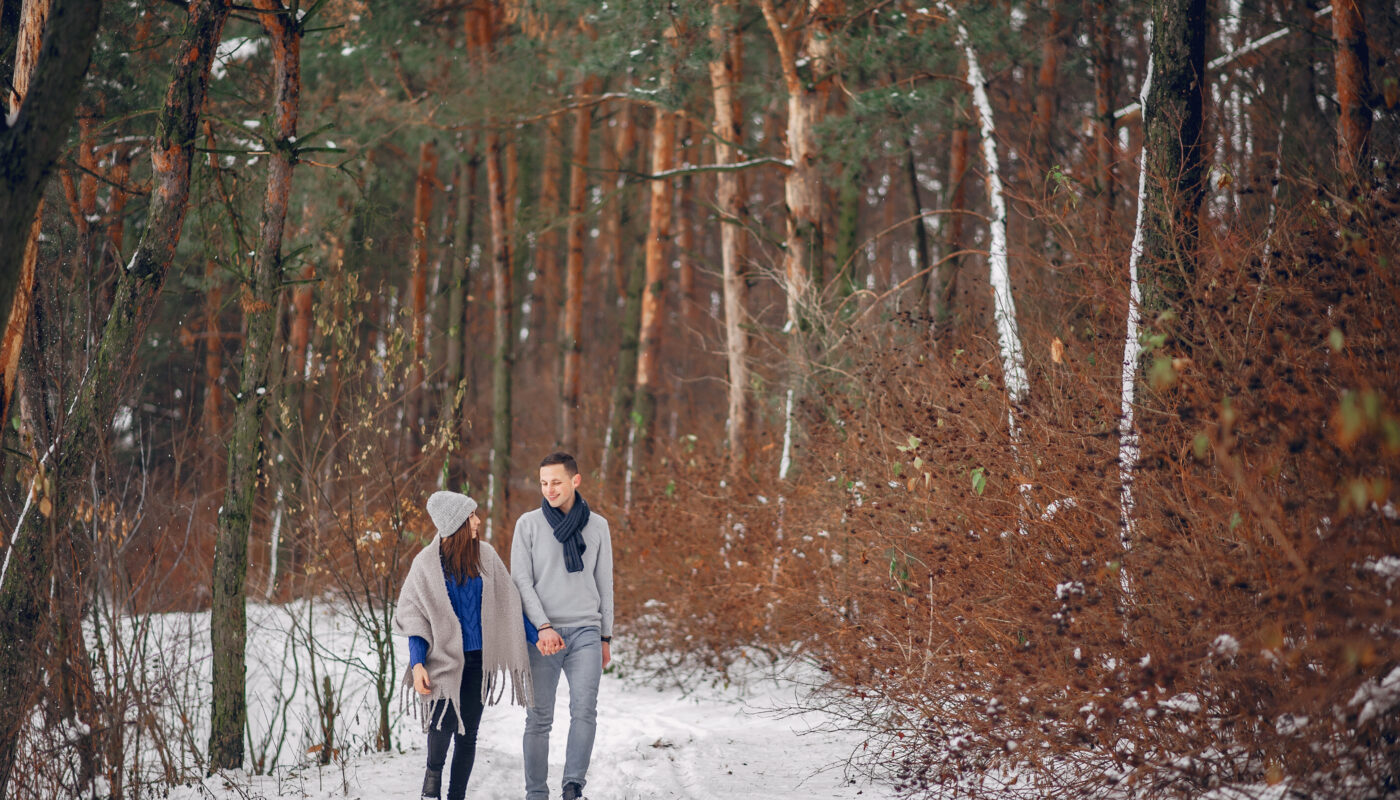
Snow-covered forests feel almost magical in winter. Trees provide shelter from wind, and paths are often naturally protected from deep snowdrifts.
Why Forest Routes Are Ideal
- Reduced wind exposure
- Softer terrain beneath packed snow
- Rich wildlife signs such as animal tracks
These routes are particularly suited for beginners and families. The quiet atmosphere makes forest trails ideal for mindful walking, photography, and gentle exercise.
Lakeside Winter Walking Routes
Frozen or partially frozen lakes create stunning reflections and expansive views. Lakeside winter walking routes are often flat and well-maintained, making them among the safest options.
Visual Highlights
- Ice patterns and snow textures
- Sunrise and sunset reflections
- Distant mountain silhouettes
Benches and rest areas are often placed along lakeside routes, allowing walkers to pause and enjoy the scenery.
Alpine Panorama Walks
Panorama routes are designed specifically to showcase wide, open views of mountain ranges, valleys, and winter skies. These routes typically follow ridgelines or elevated plateaus but remain safe thanks to wide paths and gentle slopes.
What Makes Them Unique
- Long-range visibility on clear days
- Ideal conditions for winter photography
- A sense of openness and scale
Panorama walks are best enjoyed during stable weather when visibility is high.
Village-to-Village Winter Walks
Winter walking routes connecting villages or hamlets offer a blend of natural beauty and cultural experience. Walkers can enjoy snowy fields, traditional architecture, and the warmth of local cafés at the end of their journey.
Benefits of Village Routes
- Frequent rest opportunities
- Access to food and shelter
- Cultural immersion alongside nature
These routes are excellent for relaxed, half-day walks.
Safety Tips for Winter Walking Routes
Even on designated winter walking paths, awareness is essential. The following tips help ensure a safe and enjoyable experience:
Walk at a Steady Pace
Avoid rushing. Slower movement allows better balance and reduces the risk of slips.
Stay on Marked Trails
Venturing off-path can lead to deep snow, unstable ground, or hidden ice.
Watch for Changing Surfaces
Snow conditions vary throughout the day. Morning ice, midday slush, and evening refreeze can affect footing.
Carry Essentials
A small backpack with water, snacks, gloves, and a phone can make a big difference in comfort and safety.
Best Times for Winter Walking
Timing plays a major role in safety and enjoyment.
Morning Walks
Early mornings offer crisp air, untouched snow, and peaceful silence. However, surfaces may be icy, requiring extra caution.
Midday Walks
This is often the safest time, as temperatures rise slightly and visibility improves.
Late Afternoon Walks
While light conditions can be beautiful, always allow enough time to finish before darkness sets in.
Winter Walking for Different Experience Levels
Beginners
Flat forest paths, lakeside routes, and village walks are ideal for beginners. These routes focus on scenery rather than physical challenge.
Intermediate Walkers
Gentle alpine panoramas and longer forest loops offer variety and moderate exercise without technical difficulty.
Experienced Walkers
Long-distance winter walking routes that combine elevation changes with scenic viewpoints can provide both challenge and reward, provided conditions are stable.
Mental and Physical Benefits of Winter Walking
Winter walking is not just about scenery. It offers measurable health benefits.
Physical Benefits
- Improves cardiovascular health
- Strengthens leg muscles and balance
- Enhances endurance without high impact
Mental Benefits
- Reduces stress and anxiety
- Improves mood through exposure to natural light
- Encourages mindfulness and relaxation
The calm rhythm of walking in winter landscapes has been shown to boost mental clarity and emotional well-being.
Respecting Nature During Winter Walks
Winter ecosystems are fragile. Wildlife conserves energy during cold months, and human disturbance can have serious consequences.
Responsible Walking Practices
- Keep noise levels low
- Avoid approaching animals
- Stay on designated paths
- Carry out all waste
Respecting nature ensures these routes remain accessible and beautiful for future walkers.
Winter Walking as a Sustainable Activity
Winter walking is one of the most sustainable outdoor activities. It requires minimal infrastructure, produces no emissions, and encourages slow, responsible tourism. Communities that develop winter walking routes often see economic benefits without environmental strain.
By choosing winter walking over more resource-intensive activities, travelers contribute to a balanced relationship between tourism and conservation.
Conclusion: Embracing Winter on Foot
Winter walking routes offer a rare opportunity to experience nature at its most serene. Safe, well-designed paths allow walkers of all ages and abilities to enjoy snow-covered forests, frozen lakes, alpine panoramas, and quiet villages without unnecessary risk.
With proper preparation, awareness, and respect for the environment, winter walking becomes more than a seasonal pastime—it becomes a deeply rewarding way to reconnect with nature, improve well-being, and appreciate the silent beauty of winter landscapes.
Whether you seek peaceful solitude, scenic photography, or gentle physical activity, winter walking routes provide safe paths and stunning views that leave lasting impressions long after the snow melts.