 by
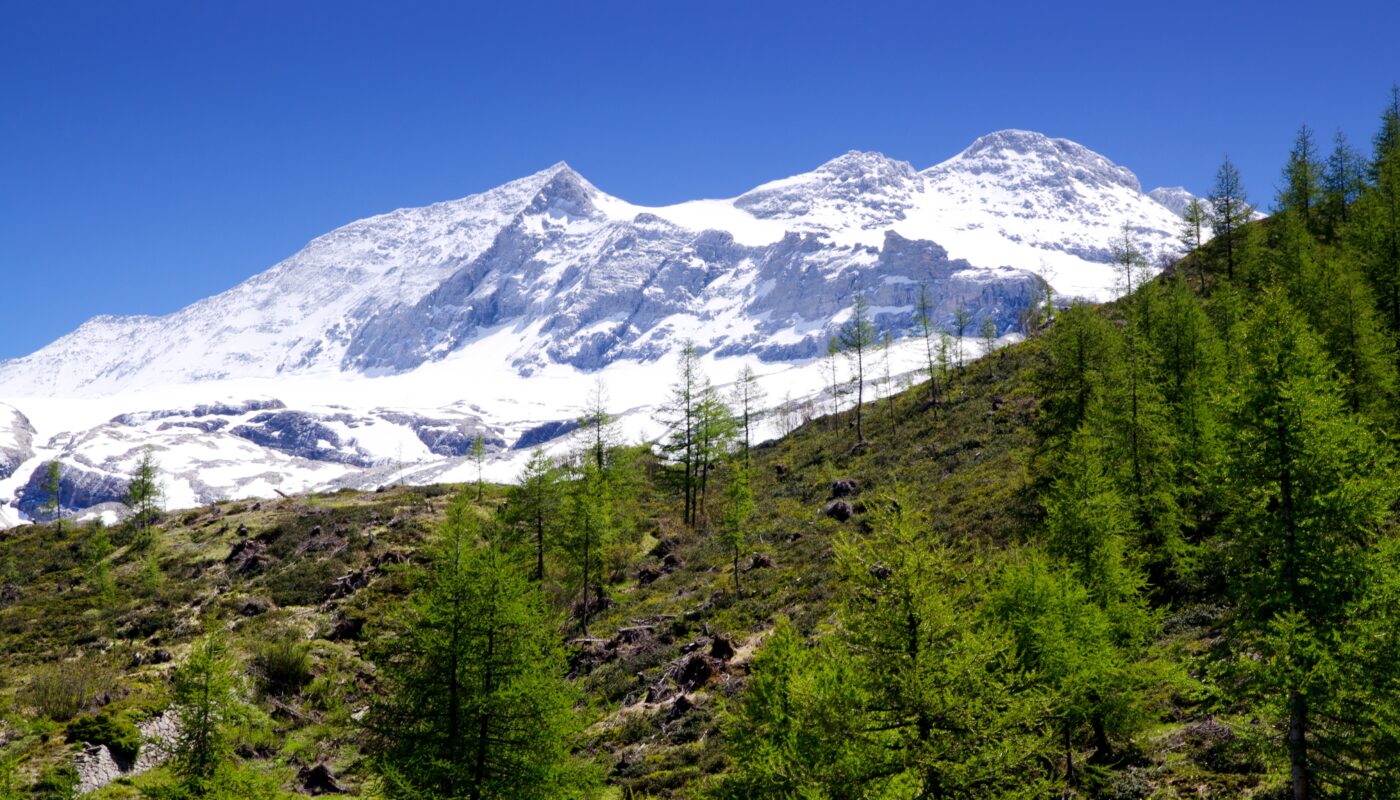
by Nestled in the heart of Switzerland, Mount Rigi is one of the country’s most picturesque Alpine destinations. Rising majestically above Lake Lucerne and Lake Zug, Mount Rigi has captivated visitors for centuries with its panoramic views, gentle hiking trails, and — perhaps most strikingly — its remarkable changing colors throughout the seasons.
Unlike landscapes that remain relatively static from day to day, the visual palette of Mount Rigi evolves dramatically over the course of a year. Snow-capped peaks, vibrant wildflowers, fiery autumn hues, and crystal-clear winter skies are all part of an ever-shifting chromatic symphony. In this article, we explore how the colors of Mount Rigi change across each season, why these changes occur, and what makes Rigi a must-see for nature lovers, photographers, and seasonal adventurers.
Mount Rigi: A Living Canvas
Mount Rigi sits at an elevation of roughly 1,800 meters (about 5,900 feet) above sea level and is easily accessible by Europe’s oldest mountain railway — the Rigi Bahn — from Vitznau, or from Arth-Goldau. Its position affords epic views over several Swiss lakes and multiple Alpine peaks. But beyond the vistas lies an extraordinary phenomenon: as the calendar progresses, so does the mountain’s color palette.
The changes aren’t random. They reflect a blend of flora cycles, weather shifts, sun angle and light quality, and human activity. To fully appreciate this seasonal spectacle, let’s journey through the year on Mount Rigi.
Winter: A Monochrome Masterpiece (December–February)
Winter on Mount Rigi is dominated by snow and crisp alpine light, producing a landscape that is both serene and striking.
Snow-White Majesty
Snow blankets the slopes for much of the winter months. Under clear skies, this snow reflects light with dazzling intensity — from pure white in early morning to shimmering gold at sunset. The absence of foliage means the mountain adopts a clean, minimalist aesthetic that draws the eye to form and shadow.
Subtle Hues in the Sky
Winter skies at high altitude often exhibit deeper blues than lowland areas. Early mornings might reveal pale turquoise gradients, while twilight can bring delicate pinks and purples. These atmospheric colors create stunning contrast against the snow.
Frost and Ice Textures
Frost crystals on ridges or frozen droplets on pine needles glint in sunlight, adding a silver sparkle that makes the entire mountain seem alive. Even the rocks, when dusted with rime ice, take on soft pastel hues.
Palette Highlights
- Dominant colors: White, deep blue, silver
- Accents: Pale pink, violet at sunset, sky blue at midday
Winter photography on Rigi is all about contrasts — stark whites against azure skies, long shadows, and the pristine beauty of undisturbed snow.
Spring: Awakening of Greens and Pastels (March–May)
As temperatures climb and days lengthen, Mount Rigi transitions from its winter dormancy into spring’s lush revival.
Emergence of Greens
One of the first signs of spring is the return of color in grasses and early plants. Tender light green shoots spread across the lower slopes, creating waving tapestries of fresh growth.
Blossoming Flora
Wildflowers begin to bloom in a delicate display of color:
- Snowdrops and crocuses replace winter whites
- Primroses and daisies add soft yellows and whites
- Anemones and gentians introduce hints of blue and violet
These blossoms juxtapose beautifully with the lingering snow patches at higher elevations, creating a unique transitional palette.
Moody Skies and Changing Light
Spring weather can rotate between bright sun and brooding rain clouds. Light in March and April often feels softer than winter’s harsh glare, giving the landscape a gentle, pastel tone. Rain shadows can also deepen greens and enrich the soil’s visual texture.
Palette Highlights
- Dominant colors: fresh greens, pastel yellows
- Accents: pale blue, violet, soft pink, lingering snow white
Spring on Mount Rigi is a season of renewal — when embryos of summer color begin to take shape.
Summer: Explosive Color and Deep Contrast (June–August)
Summer brings the most vibrant and diverse color display on Mount Rigi. Longer days and warmer temperatures foster a flourishing ecosystem.
Lush Alpine Meadows
The mountain slopes become carpets of bold green grasses and dense vegetation. Meadows burst into color as a wide range of wildflowers bloom simultaneously:
- Edelweiss — creamy white and iconic
- Alpine roses — vibrant pink
- Buttercups — rich yellow wheels
- Bellflowers — deep, royal blue
These floral arrays form natural mosaics across the hillsides.
Clear, Intense Skies
High summer skies in the Alps often reach an intense, translucent blue during midday. The combination of clean mountain air and high sun altitude deepens the intensity of color contrasts throughout the landscape.
Sunsets and Light Play
Evenings in summer can be breathtakingly colorful. As the sun dips behind the Swiss Plateau, it casts golden and orange hues on the meadows, turning grasses and flowers into glowing fields of warm color.
Active Lakes and Reflections
Although not technically part of Mount Rigi’s slopes, the nearby lakes — Lake Lucerne and Lake Zug — reflect sky colors that change from turquoise to sapphire, and back to fiery reds at sunset, enhancing the overall scenic experience.
Palette Highlights
- Dominant colors: emerald greens, sunflower yellow, azure blue
- Accents: magenta, crimson wildflowers, gold at sunrise and sunset
Hikers, painters, and landscape photographers will find Rigi’s summer to be the most photogenic season.
Autumn: Fire and Earth Tones (September–November)
Autumn transforms Mount Rigi into a canvas of warm reds, oranges, and golds. This season offers one of the most dramatic color shifts in the year.
Changing Foliage
Lower elevations around Rigi display traditional autumn foliage:
- Beeches and maples shift into fiery red
- Birches turn golden yellow
- Shrubs and groundcover adopt copper and rust tones
This gives the mountain’s foreground a rich, earthy warmth that contrasts with the cooler tones higher up.
Grass and Heathland Transition
As temperatures cool, the vibrant summer greens fade into softer yellows and browns. Heather and alpine shrubs deepen into rusty reds and purples.
Sky and Light Changes
Autumn light is often gentle, with longer shadows and softer golden hues. Sunsets can be spectacular, casting amber and rose light on the rugged terrain.
Emerging Snowcaps
By late autumn, the first snows dust the highest ridges, adding a cool white contrast to the warm seasonal palette.
Palette Highlights
- Dominant colors: gold, amber, copper
- Accents: crimson, plum, icy white
Autumn on Mount Rigi is a season of transition, where summer’s vibrancy gently gives way to winter’s quiet.
Why Do These Colors Change? (The Science Behind the Spectacle)
The dramatic shifts in color throughout the year are not random. Several natural processes contribute:
1. Seasonal Light Variations
As the Earth tilts, the angle, intensity, and duration of sunlight change. In winter, the sun is lower in the sky, producing longer shadows and cooler tones. In summer, higher sun angles result in vibrant illumination.
2. Plant Life Cycles
Vegetation responds to temperature shifts and daylight changes:
- Spring brings photosynthesis reactivation
- Summer supports robust growth and flowering
- Autumn triggers chlorophyll breakdown, revealing underlying pigments
- Winter dormancy leaves white snow and skeletal forms
3. Weather and Atmospheric Conditions
Cloud cover, precipitation, and air clarity all influence color perception. Mountain air in winter tends to be exceptionally clear, intensifying blues. Rain in spring can saturate greens. Snow reflects light differently at dawn and dusk.
4. Altitude Zonation
Different elevations host varied plant communities. Lower slopes might be rich with autumn leaves, while higher ridges wear snow, creating contrast even within one scene.
Best Times to Experience Mount Rigi’s Color Changes
- January–March: For winter whites and blue skies
- April–June: Spring greens and pastel florals
- July–August: Peak floral diversity and vivid summer greens
- September–October: Fiery autumn shades and golden light
- November–December: Transition to winter whites
Each season offers something special, and outdoor enthusiasts often return multiple times year after year.
Tips for Photographing Rigi’s Seasonal Colors
1. Golden Hours Are Essential
The best colors appear shortly after sunrise and before sunset, when light is soft and warm.
2. Include Foreground Elements
Trees, flowers, and ridgelines help frame wider vistas and accentuate color contrasts.
3. Watch the Weather
Cloudy days can deepen tones and reduce glare; clear days enhance sharpness and contrast.
4. Use Polarizing Filters
These can deepen sky blues and reduce reflection from snow and water.
5. Vary Your Angles
Different angles capture changing light — for example, photographing slopes illuminated from the side at sunrise reveals more texture and color depth.
Conclusion: A Year-Round Spectrum
Mount Rigi’s appeal lies not only in its breathtaking views but in the dynamic palette of colors the mountain displays throughout the year. From winter’s quiet whites to summer’s vivid greens, and from autumn’s fiery tones to spring’s gentle pastels, every season brings its own artful expression.
Whether you’re a hiker, artist, photographer, or nature lover, understanding how and why these colors shift will deepen your appreciation of this exceptional Alpine landmark. No two visits feel the same — each season writes its own chapter in Mount Rigi’s annual story of color.