 by
by Rising above central Switzerland, Mount Rigi is often celebrated for its sweeping daytime views of lakes and Alpine peaks. Yet, once the sun sets and the crowds disappear, this mountain reveals an entirely different identity. In the quiet of summer nights, Mount Rigi becomes a natural observatory where the sky feels vast, close, and astonishingly clear.
For travelers who enjoy astronomy, photography, or simply peaceful night experiences, summer stargazing on Mount Rigi offers something truly special. Thanks to its elevation, relatively low light pollution, and accessible summit areas, it provides ideal conditions for observing stars, planets, and meteor activity—especially on carefully chosen clear-sky nights.
This guide explores when to visit, where to go, and how to make the most of your stargazing experience on Mount Rigi during the summer season.
Why Mount Rigi Is Ideal for Night Sky Viewing
Mount Rigi stands at nearly 1,800 meters above sea level and is surrounded by several large lakes, including Lake Lucerne and Lake Zug. This elevated position gives it a natural advantage for stargazing.
At higher altitudes, the air is thinner and cleaner, meaning less atmospheric haze blocks the view of distant stars. Additionally, being above much of the surrounding valley pollution helps improve sky clarity on clear nights.
Another benefit is its isolation from major urban centers. While distant city lights are still visible along the horizon, the upper sky often remains dark enough to reveal a dense spread of stars, especially on nights without clouds or a bright moon.
What Makes Summer Nights Special for Stargazing
Although winter skies are often sharper due to cold, dry air, summer brings its own advantages that make stargazing on Mount Rigi uniquely enjoyable.
Comfortable Temperatures
Summer nights are mild enough to allow long outdoor observation sessions without extreme cold. This makes it easier to relax on open meadows or viewpoints while watching the sky change.
Extended Twilight Hours
In summer, daylight fades slowly in Switzerland. This extended twilight creates a gradual transition from sunset colors to deep night skies, enhancing the overall visual experience.
Easier Accessibility
Unlike winter months when snow can limit access, summer allows full use of hiking trails, mountain transport, and summit facilities, making it easier to reach prime viewing spots.
Understanding Clear-Sky Conditions
The quality of stargazing on Mount Rigi depends heavily on weather patterns. Even in summer, the Alps can experience sudden changes in cloud cover.
To enjoy the clearest skies, several factors should align:
- Minimal cloud presence: Even thin clouds can obscure faint stars.
- Dry atmospheric conditions: Low humidity improves transparency.
- Stable weather systems: Calm nights following warm days often provide the clearest views.
- Low moonlight interference: A new moon phase is ideal, as bright moonlight reduces star visibility.
- Clear post-rain conditions: Sometimes, the sharpest skies appear after rainfall when the air has been cleaned of dust and particles.
By checking forecasts and being flexible with timing, visitors can significantly improve their chances of experiencing a perfect stargazing night.
Best Months for Clear Summer Skies
While summer spans June through August, not every month offers the same quality of night sky visibility.
June
Early summer brings long daylight hours, which delay full darkness. While skies can still be clear, stargazing sessions tend to start quite late at night.
July
This month typically offers more balanced conditions. Weather becomes more stable, and clear nights become more frequent, making it a good time for casual stargazing.
August
Often considered the best month for night sky observation, August combines warm evenings with relatively stable weather patterns. It is also the peak season for meteor activity, making it especially rewarding for sky watchers.
Best Stargazing Spots on Mount Rigi
Choosing the right location on the mountain can greatly enhance the experience.
Summit Areas
The highest points offer the widest sky exposure with minimal obstruction. From here, visitors can observe the horizon in all directions, making it ideal for meteor showers and planetary viewing.
Quiet Ridge Paths
Slightly lower ridges away from the main summit provide darker conditions with fewer artificial lights, creating a more immersive experience.
Open Alpine Meadows
Flat grassy areas are perfect for lying back and observing the sky comfortably. These spots offer a relaxed environment ideal for long observation sessions.
Lake-Facing Viewpoints
Areas overlooking the surrounding lakes create a beautiful contrast between dark water surfaces and glowing star fields above, enhancing the visual depth of the experience.
What You Can See in the Night Sky
On a clear summer night, Mount Rigi reveals an impressive variety of celestial features:
- Bright constellations such as Cygnus and Lyra
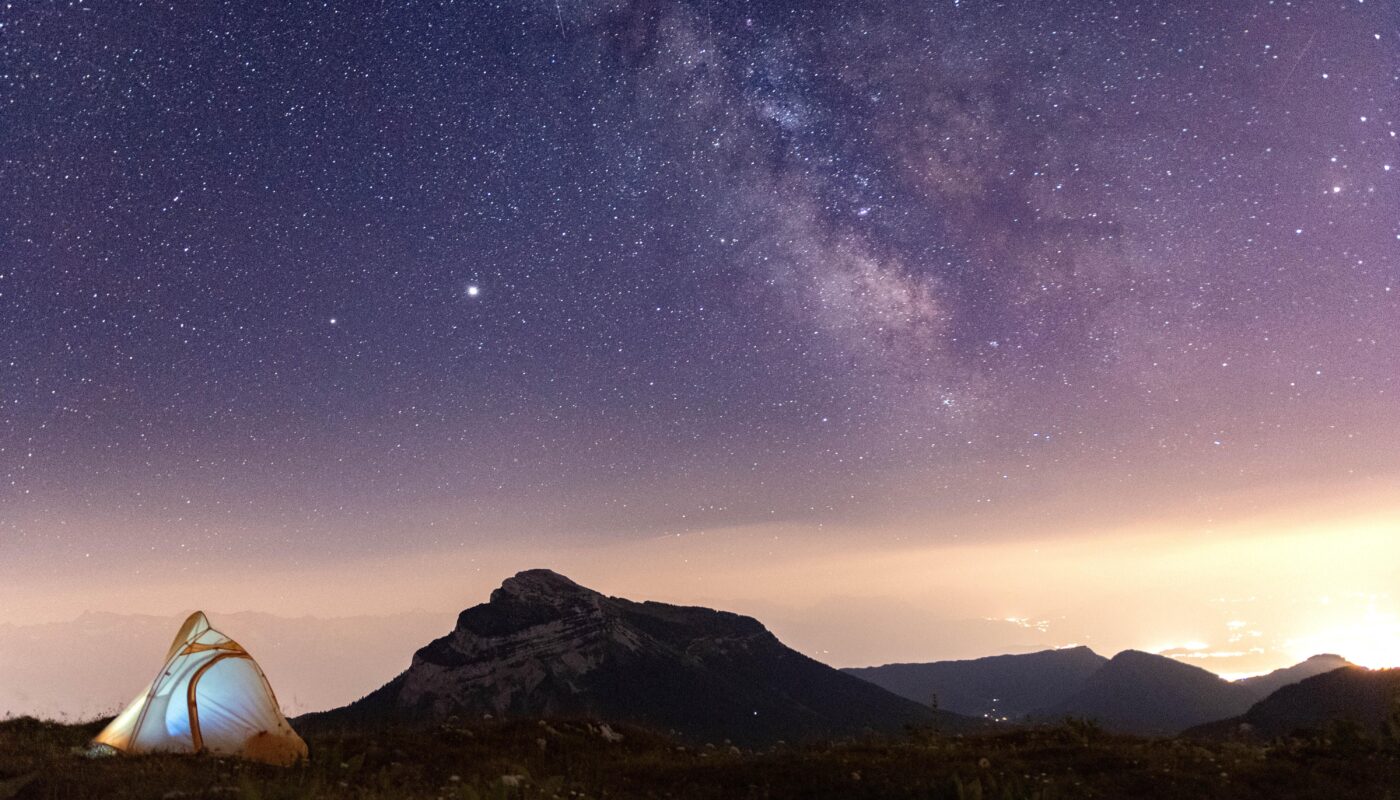
- The glowing band of the Milky Way (especially in darker August skies)
- Fast-moving satellites passing overhead
- Occasional shooting stars and meteor streaks
- Visible planets like Jupiter or Saturn depending on timing
The clarity at higher elevation often makes stars appear sharper and more numerous than in lower regions.
Meteor Showers: A Summer Highlight
One of the most exciting astronomical events visible from Mount Rigi is the annual Perseid meteor shower in August. During its peak, the sky can produce a steady stream of bright meteors streaking across the darkness.
Because Mount Rigi offers relatively low light pollution and high elevation, it becomes a strong viewing location for this event. On ideal nights, observers may witness dozens of meteors per hour, especially after midnight when sky conditions are darkest.
Practical Tips for a Better Experience
To fully enjoy stargazing on Mount Rigi, a little preparation goes a long way.
- Check weather forecasts specifically for cloud cover and humidity
- Arrive before sunset to secure a good viewing location
- Bring warm clothing, even in summer, as temperatures drop quickly at night
- Use red-filtered lights to preserve night vision
- Avoid nights with a full moon for better star visibility
These simple steps can dramatically improve your overall experience.
Photography Tips for Capturing the Night Sky
Mount Rigi is also a fantastic destination for astrophotography. The combination of elevation and landscape makes it ideal for capturing dramatic night scenes.
To get the best results:
- Use a stable tripod to avoid camera shake
- Set a wide aperture to allow more light into the lens
- Use longer exposure times to capture faint stars
- Adjust ISO carefully to balance brightness and noise
- Include foreground elements like mountains or lakes for depth
The contrast between illuminated landscapes and star-filled skies creates visually striking images.
The Atmosphere Beyond Astronomy
Stargazing on Mount Rigi is not just about observing celestial objects—it is also about experiencing silence, stillness, and perspective. The mountain environment at night feels completely detached from everyday life.
With minimal noise, cool air, and vast open skies, visitors often describe the experience as calming and reflective. Whether alone or with companions, it creates a rare sense of connection to nature and the universe.
Final Thoughts
Summer stargazing on Mount Rigi offers one of the most peaceful and visually stunning night experiences in Switzerland. While the mountain is well known for its daytime views, its nighttime atmosphere is equally impressive—if not more magical.
The best opportunities typically occur in July and August, when weather conditions stabilize and skies are more likely to remain clear. Add in meteor showers, high-altitude clarity, and accessible viewing spots, and Mount Rigi becomes an outstanding destination for night sky observation.
Whether you are an astronomy enthusiast, a photographer, or simply someone seeking quiet beauty, spending a clear summer night under the stars on Mount Rigi is an experience that stays with you long after you descend back into the valleys below.