 by
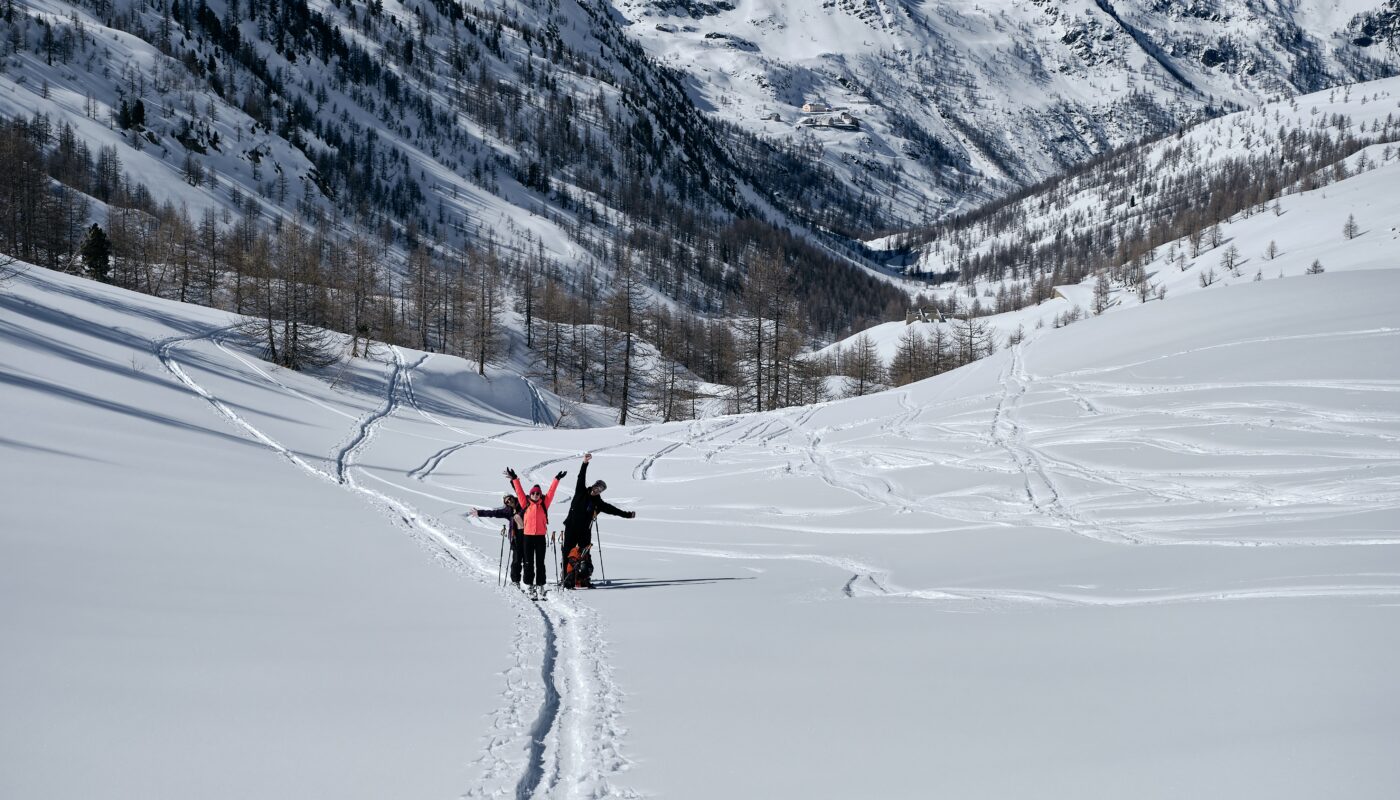
by Winter transforms Mount Rigi into a peaceful alpine escape, where snow softens the landscape and quiet replaces the usual buzz of activity. While many travelers associate winter in Switzerland with skiing, there’s another experience that feels far more intimate and accessible: snowshoeing.
For beginners, snowshoeing on Rigi is an ideal starting point. The mountain offers gentle terrain, clearly marked routes, and easy access via public transport, making it possible to enjoy a true winter adventure without advanced skills or intense physical effort.
This guide will help you plan your first snowshoe outing on Mount Rigi—from understanding the basics to choosing trails, preparing properly, and making the most of the experience.
What Is Snowshoeing and Why Try It?
Snowshoeing is one of the simplest ways to explore snowy terrain. By attaching wide, flat frames to your boots, you distribute your weight more evenly across the snow. This prevents you from sinking deeply and allows you to walk with relative ease.
Why It’s Perfect for Beginners
- No prior experience required
- Easy to learn within minutes
- Flexible pace—walk as slowly as you like
- Minimal equipment compared to other winter sports
Unlike skiing, there’s no need for lessons or technical mastery. If you can walk, you can snowshoe.
Why Mount Rigi Is Ideal for First-Time Snowshoers
Not every alpine destination is beginner-friendly, but Mount Rigi stands out for several reasons.
1. Easy Access
Rigi is well connected to nearby towns and cities, especially Lucerne. You can reach the mountain using:
- Boats across Lake Lucerne
- Cogwheel trains
- Cable cars
This means you can start your snowshoe adventure at high altitude without a strenuous climb.
2. Gentle Landscape
Unlike rugged peaks, Rigi features:
- Rolling hills
- Wide open paths
- Gradual slopes
These characteristics make walking in snow much less intimidating.
3. Well-Marked Trails
Snowshoe routes on Rigi are clearly signposted, helping beginners stay on track without worrying about navigation.
4. Scenic Variety
Even short walks offer:
- Panoramic mountain views
- Overlooks of Lake Lucerne
- Quiet forest sections
The scenery changes constantly, keeping the experience engaging.
Essential Gear for Your First Snowshoe Trip
You don’t need much to get started, but having the right gear makes a big difference.
Snowshoes
These are the most important item. Beginner-friendly snowshoes are:
- Lightweight
- Easy to strap onto boots
- Designed for flat or gently sloping terrain
Winter Boots
Choose boots that are:
- Waterproof
- Insulated
- Comfortable for walking
Poles
While optional, poles are highly recommended for beginners. They help with:
- Balance
- Stability on uneven terrain
- Reducing strain on knees
Clothing
Dress in layers so you can adjust as you warm up:
- Base layer (moisture-wicking)
- Insulating layer (fleece or wool)
- Outer layer (windproof and waterproof)
Don’t forget gloves, a hat, and sunglasses.
Renting Equipment
If you don’t own gear, you can rent everything you need at stations such as:
- Rigi Kulm
- Rigi Kaltbad
This makes snowshoeing accessible even for spontaneous trips.
Best Beginner Snowshoe Trails on Mount Rigi
Rigi Kulm Loop (via Chäserenholz)
This is one of the easiest and most enjoyable routes for beginners.
Key Details
- Duration: About 1 to 1.5 hours
- Difficulty: Easy
- Terrain: Gentle and well-maintained
What You’ll Experience
Starting near the summit at Rigi Kulm, the trail leads you through:
- Open snowy meadows
- Quiet stretches of alpine terrain
- Light forest sections
The path eventually loops back, making it simple to follow without worrying about logistics.
Rigi Kulm to Rigi Klösterli
This route offers a slightly longer but still beginner-friendly experience.
Key Details
- Duration: Around 1 to 2 hours
- Difficulty: Easy to moderate
- Direction: Mostly downhill
Why It’s a Great Choice
- Downhill walking requires less effort
- Scenic variety along the way
- Easy return via train from Rigi Klösterli
How to Plan Your Snowshoe Day
Creating a simple plan will help you enjoy your experience without stress.
Step 1: Travel to Rigi
Begin your journey from Lucerne:
- Take a boat across Lake Lucerne or a train
- Continue up the mountain via cogwheel railway
Step 2: Rent or Prepare Gear
Collect your snowshoes and poles at your arrival point.
Step 3: Choose a Trail
Start with a shorter route to build confidence.
Step 4: Walk at Your Own Pace
Snowshoeing is not about speed. Take breaks, enjoy the views, and move comfortably.
Step 5: Return Safely
Plan your return route using trains or cable cars, depending on where your trail ends.
Basic Techniques Every Beginner Should Know
Walking on Flat Snow
- Keep your stance slightly wider than normal
- Lift your feet a bit higher to avoid stepping on your snowshoes
Climbing Gentle Slopes
- Take small, steady steps
- Lean slightly forward
Descending
- Keep your weight slightly back
- Step carefully to maintain balance
Turning
- Make wider turns to avoid tangling your snowshoes
These techniques quickly become natural with practice.
Safety Tips for First-Time Snowshoers
Even easy trails require awareness.
Stay on Marked Routes
Marked paths are designed for safety and are regularly checked.
Check Weather Conditions
Avoid heading out in poor visibility or heavy snowfall.
Bring Essentials
Carry:
- Water
- Snacks
- A phone or map
Start Early
This gives you enough daylight and avoids late-day fatigue.
Best Time to Go Snowshoeing
Winter Season
Snowshoeing on Rigi is typically possible from:
- December through March
Ideal Conditions
- Fresh snow for better grip
- Clear skies for views
Time of Day
- Morning: quieter and more stable snow
- Afternoon: softer snow and warmer temperatures
What Makes Snowshoeing on Rigi Special
A Sense of Quiet
Unlike ski resorts, snowshoe trails are peaceful. The dominant sounds are:
- Snow crunching underfoot
- Gentle wind
- Occasional distant activity
A Slower Rhythm
Snowshoeing naturally slows you down. You’re not rushing between lifts or chasing speed—you’re simply moving through the landscape.
Closer Connection to Nature
Walking at ground level allows you to:
- Notice small details
- Feel the texture of the snow
- Experience the environment more directly
Common Mistakes to Avoid
Going Too Far Too Soon
Start with shorter trails and build up gradually.
Wearing Incorrect Clothing
Avoid cotton and choose moisture-wicking layers.
Ignoring Hydration
Even in cold weather, staying hydrated is important.
Not Checking Transport Schedules
Make sure you know the timing of trains or cable cars for your return.
Guided Snowshoeing Options
If you prefer extra support, guided tours are available on Mount Rigi.
Benefits of a Guide
- Learn proper techniques
- Discover the best routes
- Gain confidence as a beginner
Guided tours are especially helpful if it’s your first time in a winter mountain environment.
Final Thoughts
Snowshoeing on Mount Rigi offers one of the most accessible and rewarding ways to experience winter in the Alps. With its gentle terrain, well-marked trails, and breathtaking views, it provides the perfect introduction to winter hiking.
What makes it truly special is not just the scenery, but the pace. Snowshoeing invites you to slow down, breathe deeply, and fully absorb the quiet beauty of the mountains.
For beginners, that’s the real magic: no pressure, no complexity—just a simple, peaceful journey through snow-covered landscapes.