 by
by Hiking is often promoted as one of the most rewarding outdoor activities. It offers fresh air, scenic landscapes, physical movement, and a break from busy routines. Yet for people who are afraid of heights, hiking can feel intimidating instead of relaxing.
Many popular trails feature:
- Steep drop-offs
- Narrow mountain ridges
- Cliffside pathways
- Elevated viewpoints without barriers
For someone with height anxiety, these conditions can turn a simple walk into a stressful experience.
Fortunately, hiking does not have to involve dangerous-looking terrain. Across the world, there are countless beginner-friendly trails designed for comfort, gradual elevation, and enjoyable scenery without overwhelming exposure.
This guide explores the best trail types for hikers who dislike heights, explains what features make a trail feel safer, and offers practical advice for building confidence outdoors without unnecessary fear.
Understanding Why Some Trails Feel Scary
Fear of heights is not always about elevation itself. In many cases, the real issue is exposure.
A trail may technically be high above sea level, but if it is:
- Wide
- Stable
- Protected by trees or barriers
it may still feel comfortable.
On the other hand, a lower trail with:
- Sharp drop-offs
- Narrow edges
- Loose footing
can feel extremely stressful.
For beginners, understanding this difference is important because many scenic hikes are actually far less intimidating than they appear online.
What Makes a Trail Beginner-Friendly for Height Anxiety?
Not every easy trail is automatically suitable for someone uncomfortable with heights.
The best beginner-friendly options usually include several of the following features:
Wide Walking Paths
Trails that provide plenty of walking space reduce the feeling of vulnerability.
Minimal Drop-Offs
Routes without visible cliffs or steep edges help hikers stay relaxed.
Gentle Elevation Changes
Gradual uphill sections are usually less intimidating than sudden steep climbs.
Stable Ground
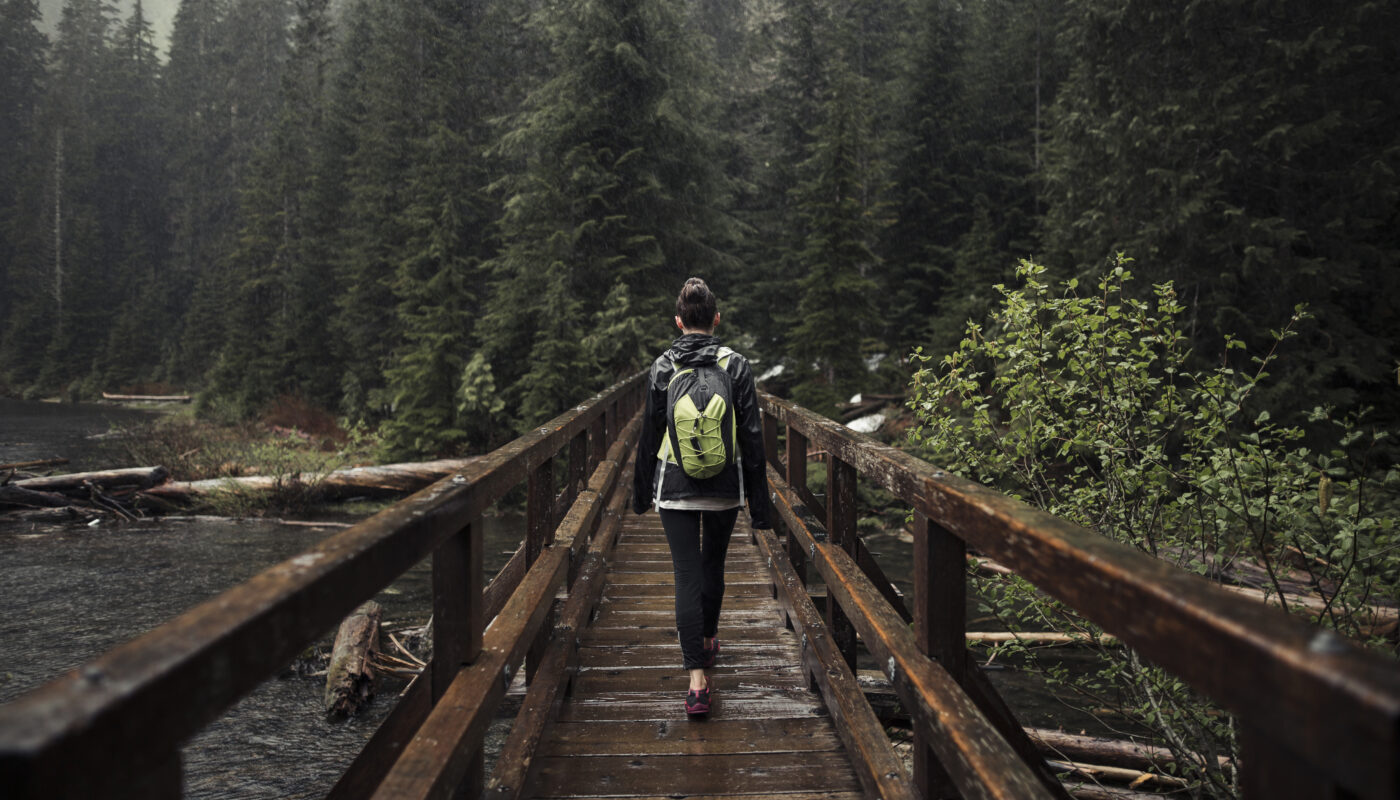
Smooth dirt paths, boardwalks, and paved surfaces help hikers feel physically secure.
Natural Visual Barriers
Trees, bushes, or railings reduce exposure and create psychological comfort.
These details may seem minor, but they significantly affect how safe a trail feels.
Forest Trails Are Ideal for Nervous Beginners
One of the best environments for people afraid of heights is the forest.
Woodland trails naturally reduce visual exposure because trees block steep views and create a more enclosed atmosphere.
Forest hikes also tend to offer:
- Shade and cooler temperatures
- Softer walking terrain
- Quiet surroundings
- Reduced wind exposure
Many beginners find forest trails calming because they feel grounded rather than exposed.
Simple woodland loops or protected nature reserve trails are excellent starting points for building hiking confidence.
Lakeside Trails Provide Scenery Without Stress
Trails around lakes and reservoirs are another excellent option.
These routes are often:
- Relatively flat
- Easy to navigate
- Well-maintained
- Scenic without requiring dangerous terrain
The peaceful atmosphere of water-based trails also helps reduce anxiety.
Instead of focusing on steep elevation or challenging terrain, hikers can enjoy:
- Reflections on the water
- Birdlife and natural sounds
- Gentle walking conditions
This creates a relaxing experience that feels accessible even for cautious beginners.
Why Paved Trails Help Build Confidence
Trail surface plays a larger role in comfort than many people realize.
Beginners with height anxiety often feel safer on:
- Paved pathways
- Wooden boardwalks
- Compact gravel trails
- Clearly maintained routes
Uneven rocks or slippery dirt can increase stress because they create uncertainty about balance and footing.
Stable surfaces allow hikers to focus more on enjoying the environment and less on worrying about every step.
This is why many urban nature parks and protected reserves are excellent training grounds for new hikers.
Scenic Trails Without Dangerous Exposure
A common myth is that beautiful views always require risky terrain.
In reality, many trails offer impressive scenery while remaining comfortable and beginner-friendly.
Safe scenic trails often feature:
- Wide viewpoints with railings
- Gradual climbs
- Open panoramas without cliff exposure
Some mountain destinations also include accessible scenic walks specifically designed for casual visitors rather than experienced hikers.
The key is choosing trails where viewpoints are optional rather than unavoidable.
Urban Nature Parks Are Great for First-Time Hikers
People often overlook city-based nature trails when searching for beginner hikes.
However, urban parks offer several advantages:
- Easy access to transportation
- Clear signage and maps
- Nearby facilities and rest areas
- Safer and more predictable environments
Because these trails are highly maintained, they often feel less intimidating than remote wilderness routes.
Urban green spaces allow nervous hikers to:
- Practice hiking skills
- Test comfort levels gradually
- Build outdoor confidence without major risk
This makes them one of the best starting points for height-sensitive beginners.
Trail Types That Usually Work Well
Certain categories of trails are consistently more comfortable for people afraid of heights.
Woodland Loop Trails
These circular forest routes are usually low-stress and beginner-friendly.
Benefits include:
- Minimal elevation exposure
- Quiet surroundings
- Easy navigation
Waterfall Paths
Waterfall trails often follow rivers through valleys rather than steep mountain ridges.
They usually provide:
- Scenic rewards
- Gentle walking terrain
- Frequent stopping points
Botanical Garden and Nature Reserve Walks
Protected parks frequently include:
- Clearly marked paths
- Safety railings
- Smooth walking surfaces
These are ideal for beginners seeking a calm outdoor experience.
Riverside Walks
Trails alongside rivers are often naturally gradual and relaxing.
The sound of flowing water can also help reduce stress and create a peaceful atmosphere.
Mild Hill Trails
Some hill trails provide elevated views without dangerous exposure.
These are useful for:
- Gradually increasing hiking confidence
- Becoming comfortable with gentle climbs
- Enjoying panoramic scenery safely
Trails Beginners Should Avoid Initially
While confidence can improve over time, some trail types are best avoided early on.
These include:
- Narrow ridgeline hikes
- Cliff-edge pathways
- Suspension bridges
- Steep rocky scrambles
- Exposed summit routes
Even if these hikes are technically “easy,” they may still trigger strong anxiety due to exposure.
Many social media-famous hikes appear manageable in photos but feel much more intense in person.
Beginners should focus on comfort and enjoyment first rather than dramatic scenery.
How to Reduce Anxiety While Hiking
Even on safer trails, nervousness can still appear occasionally.
Several techniques can help make the experience more manageable.
Focus on the Path Ahead
Looking directly at the trail instead of distant drop-offs helps reduce visual stress.
Take Breaks Frequently
Stopping to breathe and relax prevents anxiety from building too quickly.
Hike With Supportive People
Calm companions can make beginners feel safer and more confident.
Start Small
Short walks are often more effective than forcing yourself into long or difficult hikes too early.
Learn Personal Limits
Everyone experiences height anxiety differently. Respecting your comfort level is important.
The goal is gradual improvement, not immediate fear elimination.
Why Wide Trails Feel Safer
Many hikers discover that width matters more than elevation.
A high trail may feel perfectly comfortable if:
- The path is broad
- The terrain is stable
- There is enough space to move freely
Meanwhile, a narrow path beside even a moderate slope can feel overwhelming.
Wide trails create:
- Better balance confidence
- Reduced pressure
- Greater psychological comfort
This is why many scenic park trails remain accessible even for people who strongly dislike heights.
Researching Trails Before You Go
Preparation is one of the best ways to avoid stressful experiences.
Before choosing a hike, research:
- Trail photos
- Elevation gain
- User reviews
- Mentions of exposure or cliffs
- Trail width and terrain conditions
Hiker reviews are especially helpful because they often describe emotional difficulty more honestly than official ratings.
A trail labeled “easy” physically may still feel uncomfortable psychologically.
Beginner-Friendly Hiking Destinations
Several destinations around the world are particularly suitable for nervous beginners.
Nature Parks and Forest Reserves
These areas usually prioritize accessibility and safety.
Lakeside Recreation Areas
Gentle terrain and calm scenery create a relaxed environment.
Scenic Valley Trails
Valley hikes often provide mountain scenery without exposed heights.
Urban Green Corridors
Park connector systems and city nature paths are ideal for practice and confidence-building.
The best destination is one that allows you to enjoy the outdoors without feeling pressured or unsafe.
Hiking Confidence Builds Slowly
Many experienced hikers who once feared heights became more comfortable through gradual exposure—not through forcing themselves into terrifying situations.
Confidence develops when hikers:
- Have positive experiences
- Learn what environments feel safe
- Understand their own comfort limits
Over time, some people even discover they enjoy moderate elevation once they realize not all mountain trails are dangerous.
Patience is important.
Final Thoughts
Being afraid of heights does not mean hiking is impossible.
The outdoor world offers far more than dramatic cliffs and narrow mountain ridges. Some of the most rewarding trails are peaceful forest walks, riverside paths, lakeside routes, and gentle nature reserve hikes.
The key is choosing environments that feel:
- Stable
- Comfortable
- Gradual
- Encouraging rather than overwhelming
Start with simple trails. Focus on enjoying nature rather than conquering fear immediately. With time and positive experiences, hiking can become less intimidating and far more enjoyable.
For many beginners, the best adventure is not reaching the highest peak—it is discovering that the outdoors can feel calm, welcoming, and safe in the first place.