 by
by Mountains shape more than landscapes — they shape homes, culture, and identity. Across alpine regions and highland communities worldwide, architecture is not simply about aesthetics; it is about survival, adaptation, and belonging. The iconic chalet, the humble mountain hut, and preserved heritage structures all tell a story of how humans learned to live in demanding environments while expressing regional identity.
From steep roofs built to shed heavy snow to carved wooden balconies that connect homes to nature, mountain architecture reveals a deep conversation between people and place. Understanding these architectural styles means understanding climate, geography, craftsmanship, and tradition.
Let’s explore how chalets, mountain huts, and heritage structures evolved — and why they continue to matter today.
Architecture Born From the Landscape
Mountain regions demand specific solutions. Heavy snowfall, strong winds, steep slopes, limited growing seasons, and isolation have historically shaped how homes are designed.
Key environmental influences include:
- Snow load → steep, sloped roofs
- Cold temperatures → compact designs to retain heat
- Limited building materials → reliance on local wood and stone
- Sloped terrain → tiered foundations and terraced construction
Mountain architecture developed not as decoration, but as necessity. Over time, these practical choices evolved into recognizable regional styles.
The Chalet: Symbol of Alpine Living
The chalet is perhaps the most recognizable mountain dwelling, especially in the European Alps. Originally, chalets were seasonal farmhouses used by herders who moved livestock to higher pastures in summer.
Origins of the Chalet
Early chalets were built by farming families who needed sturdy structures to house both people and animals. The design had to handle extreme weather while remaining functional for agricultural life.
The word “chalet” itself traces back to rural pastoral culture — these were working buildings long before they became associated with winter tourism or luxury mountain retreats.
Distinctive Chalet Features
Traditional chalets are known for their harmony with the alpine environment.
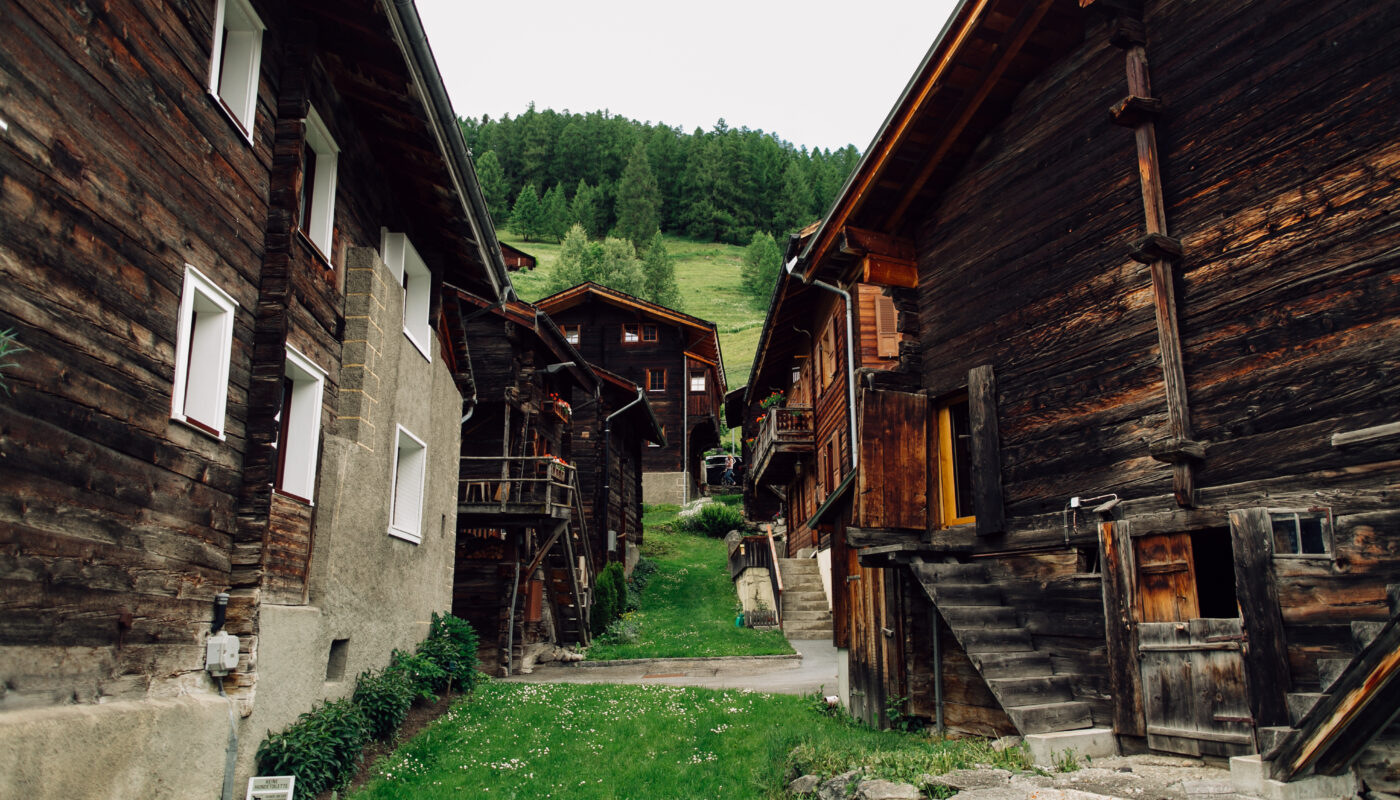
1. Wide Overhanging Roofs
Steep roofs prevent snow accumulation, while extended eaves protect walls and foundations from rain and melting snow.
2. Wooden Construction
Local timber was abundant, making wood the primary building material. Timber also provides natural insulation.
3. Stone Foundations
The lower level is often stone, offering stability and protection against moisture.
4. Balconies and Carved Details
Balconies serve practical and cultural roles — drying herbs, storing firewood, and providing outdoor space. Decorative carvings became expressions of local craftsmanship.
5. Multi-Level Living
Traditionally:
- Animals stayed on the ground floor for warmth
- Living quarters were above
- Hay storage occupied upper lofts
From Farmhouse to Icon
Over the past century, chalets transitioned from agricultural structures to symbols of alpine tourism. While modern chalets may include glass facades and luxury interiors, they still borrow from traditional proportions, materials, and rooflines.
Today’s chalets blend heritage aesthetics with modern insulation, energy efficiency, and comfort.
Mountain Huts: Shelters of Necessity
While chalets represent settled life, mountain huts symbolize mobility and endurance. These structures serve hikers, climbers, shepherds, and travelers crossing high terrain.
Unlike chalets, mountain huts are minimal, functional, and built for survival.
Purpose of Mountain Huts
Mountain huts developed along trade routes, pilgrimage paths, and climbing routes. They provide:
- Shelter from storms
- Resting points for long journeys
- Emergency refuge in harsh weather
In many regions, they are placed in remote, difficult-to-access locations, which shapes their construction.
Design Characteristics
1. Compact Structure
Huts are small to conserve heat and materials.
2. Thick Walls
Stone or heavy timber walls resist wind and cold.
3. Low Roof Profiles
Designed to withstand strong alpine gusts.
4. Minimal Ornamentation
Function outweighs decoration.
5. Shared Interior Spaces
Sleeping areas are often communal, emphasizing practicality over privacy.
Evolution of Mountain Huts
Historically, huts were simple shelters built by local communities. Today, many are managed by alpine associations and include solar panels, rainwater collection systems, and improved sanitation — modern technology supporting traditional form.
Despite upgrades, their essence remains unchanged: protection in extreme environments.
Heritage Architecture: Preserving Identity
Beyond chalets and huts, many mountain villages preserve heritage buildings that reflect older ways of life.
These structures include:
- Traditional farmhouses
- Village chapels
- Community halls
- Historic inns
They are cultural time capsules, showing how architecture once balanced survival and social life.
Materials as Cultural Markers
Mountain heritage architecture is deeply tied to local resources.
Wood – forests provided beams, shingles, and carved details
Stone – used for foundations and defensive walls
Lime plaster – insulated interiors
Slate or wooden shingles – durable roofing
Using local materials helped structures blend into the landscape while reducing transport challenges.
Craftsmanship and Skill
Mountain construction required specialized skills:
- Joinery without metal nails
- Hand-carved decorative motifs
- Dry-stone wall techniques
- Wood-shingle roofing
These skills were passed through generations, creating a living architectural heritage.
How Climate Shaped Design Choices
Architecture in mountain regions shows clear responses to environmental stress:
| Challenge | Architectural Solution |
|---|---|
| Heavy snow | Steep roofs |
| Cold air | Small windows, thick walls |
| Wind exposure | Low, sturdy profiles |
| Moisture | Raised foundations |
| Limited sunlight | South-facing balconies |
Each design element reflects centuries of adaptation.
Modern Interpretations of Traditional Styles
Contemporary mountain architecture often blends old and new.
Architects today:
- Use glass to capture views
- Integrate renewable energy
- Maintain traditional silhouettes
- Combine timber with steel or concrete
The goal is not to copy the past, but to respect its principles.
Cultural Meaning Beyond Function
Mountain architecture is more than shelter — it expresses values:
- Self-reliance through durable construction
- Community through shared spaces
- Respect for nature through material choices
- Continuity through preservation
These buildings connect generations and reflect identity.
Preservation Challenges
Heritage structures face threats:
- Modern development pressure
- Changing lifestyles
- Climate impacts
- Loss of traditional building skills
Preservation requires balancing modernization with protection of historical character.
Why These Styles Still Matter
Chalets, huts, and heritage homes remind us that architecture can be sustainable, place-based, and culturally meaningful. They show how design rooted in environment and tradition can endure for centuries.
In a world of globalized construction, mountain architecture offers lessons in resilience and regional identity.
Conclusion
Local architectural styles in mountain regions — from welcoming chalets to rugged huts and treasured heritage buildings — are living records of human adaptation. Each beam, stone, and roofline tells a story of survival, craftsmanship, and culture.
These structures do more than shelter people; they anchor communities to landscapes, preserve tradition, and inspire modern design. As long as mountains shape human life, their architectural heritage will continue to evolve while honoring the past.