 by
by Perched above the shimmering waters of Lake Lucerne, Mount Rigi is often celebrated for its sweeping daytime views. Yet, when the sun sets and darkness settles over the alpine landscape, this iconic mountain reveals a quieter, more intimate side. Night hiking on Mount Rigi is not just an outdoor activity—it’s an experience that invites reflection, heightened awareness, and a deeper connection with nature.
However, exploring mountain trails after dark requires more than enthusiasm. Reduced visibility, shifting weather, and unfamiliar terrain can quickly turn a peaceful hike into a challenging situation if you’re not prepared. This guide provides a comprehensive look at how to safely enjoy night hiking on Mount Rigi, along with the best conditions to ensure your journey is both memorable and secure.
The Unique Appeal of Night Hiking
Hiking at night transforms even the most familiar trails into something entirely new. Without the distractions of daytime crowds, your senses become sharper, and the environment feels more immersive.
On Mount Rigi, night hiking offers:
- Profound quiet: The absence of daytime activity creates a calm, almost meditative atmosphere
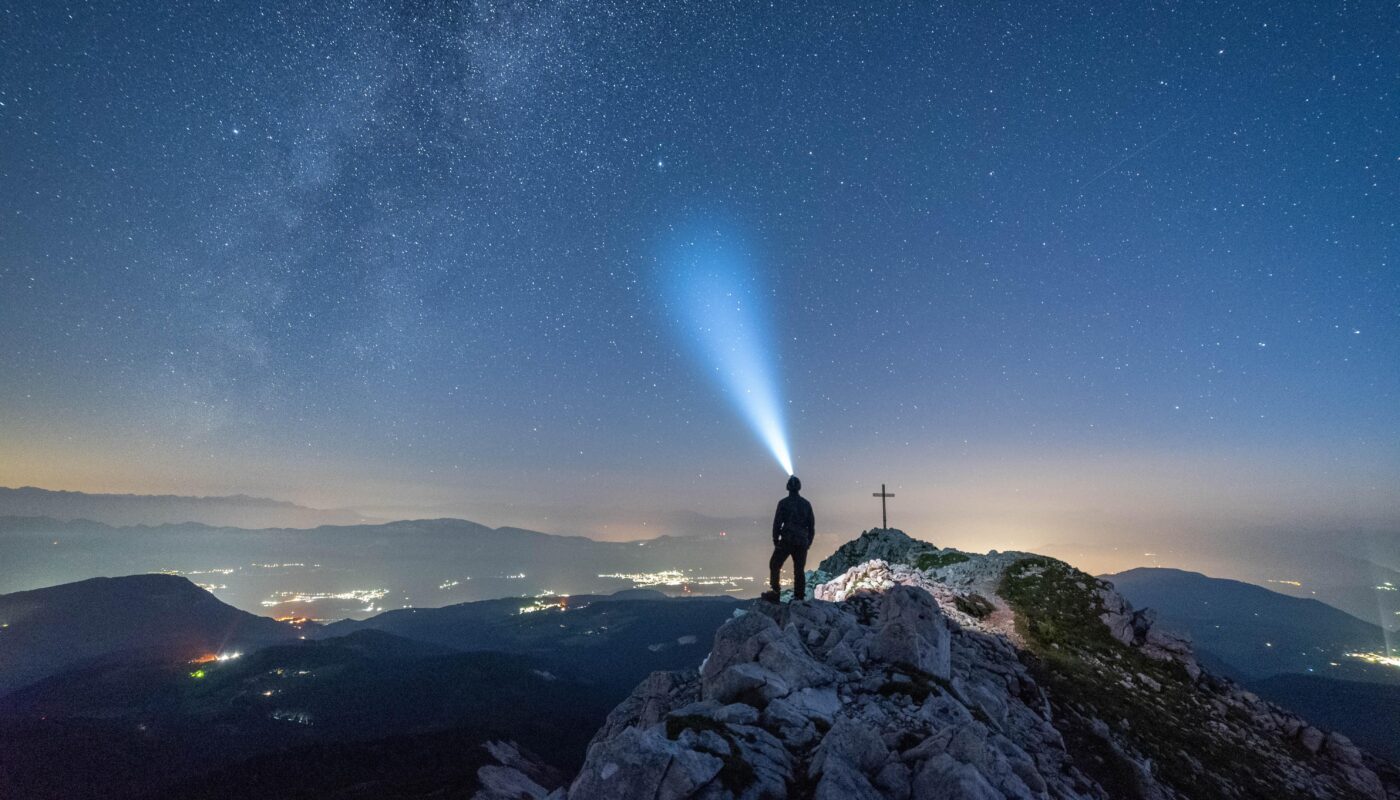
- Stargazing opportunities: Clear alpine skies often reveal constellations rarely visible in urban areas
- Cooler temperatures: Especially beneficial during summer months
- Memorable sunrises: Many hikers begin in darkness and reach viewpoints just as dawn breaks
This blend of tranquility and subtle adventure makes night hiking particularly appealing for those seeking something beyond the typical outdoor experience.
Understanding the Terrain After Dark
Mount Rigi is known for its well-maintained trail network, but darkness changes how you perceive and navigate the landscape. Paths that seem straightforward during the day can feel disorienting at night.
Suitable Trails for Night Hiking
When choosing your route, prioritize:
- Clearly marked trails with consistent signage
- Wide paths with minimal exposure
- Routes with gentle inclines
These characteristics reduce the likelihood of navigation errors and make the hike more manageable.
Trails to Avoid
Certain routes are better left for daylight hours:
- Narrow ridgelines with steep drops
- Rocky or uneven terrain
- Remote paths with limited signage
Even experienced hikers should approach unfamiliar or technical trails with caution when visibility is limited.
Essential Safety Practices
Stay on Designated Paths
Straying from marked trails is one of the most common causes of accidents during night hikes. In low-light conditions, it becomes much harder to identify safe footing or recognize hazards.
Always follow official trail markers and resist the temptation to take shortcuts.
Monitor Weather Conditions Closely
The weather in the mountains is erratic and subject to sudden changes.
Before your hike:
- Check local forecasts for wind, precipitation, and temperature
- Avoid heading out if fog, storms, or strong winds are expected
- Be aware that temperatures drop significantly after sunset
Clear weather not only enhances safety but also improves visibility and overall enjoyment.
Use Reliable Lighting
A dependable light source is non-negotiable.
Your lighting setup should include:
- A headlamp for hands-free illumination
- Spare batteries or a backup light
Headlamps are particularly useful because they allow you to maintain balance and use trekking poles if needed.
While it may be tempting to rely on moonlight, always carry artificial lighting in case conditions change.
Plan Your Route in Advance
Preparation is key to a smooth night hike.
Before setting out:
- Study your route carefully
- Estimate the time required, allowing extra time for slower movement
- Identify key landmarks or checkpoints
If your hike involves returning via public transport, check schedules ahead of time to avoid being stranded.
Inform Someone About Your Plans
Even a short night hike should be treated with care. Let someone know:
- Where you’re going
- When you expect to return
- How they can reach you if needed
This precaution ensures that help can be alerted if something goes wrong.
Avoid Hiking Alone if Possible
While solo hiking can be rewarding, night conditions add an extra layer of risk.
Hiking with a companion or group provides:
- Additional safety
- Shared decision-making
- Support in case of emergencies
For beginners, guided night hikes are an excellent option.
Stay Aware of Your Surroundings
Nighttime brings a different rhythm to the natural world. Wildlife may be more active, and environmental cues become subtler.
Pay attention to:
- Sounds in your surroundings
- Changes in terrain underfoot
- Shifts in weather or wind
Staying alert helps you respond quickly to any unexpected situations.
Ideal Conditions for Night Hiking
Clear Skies or a Bright Moon
The best night hikes occur under clear or partially clear skies.
A full moon can significantly enhance visibility, casting a natural glow over the landscape. This reduces reliance on artificial lighting and creates a more atmospheric experience.
Comfortable Temperatures
Temperature plays a major role in your overall comfort.
- Summer: Ideal for most hikers, with mild nighttime temperatures
- Spring and Autumn: Cooler but manageable with proper layering
- Winter: Suitable only for experienced hikers due to snow and ice
Always dress in layers so you can adjust to changing conditions.
Familiar Routes
Choosing a trail you’ve already explored during the day can make a significant difference. Familiarity reduces uncertainty and helps you navigate more confidently.
Stable Ground Conditions
Avoid hiking after:
- Heavy rainfall, which can make trails slippery
- Snowfall, which can obscure paths
- Strong winds, which can affect balance
Dry, stable trails are the safest and most enjoyable.
Popular Night Hiking Experiences
Full Moon Walks
Full moon hikes are among the most popular nighttime activities on Mount Rigi.
The natural illumination enhances the beauty of the landscape, creating a serene and almost dreamlike atmosphere.
Sunrise Ascents
Starting your hike in darkness and reaching a viewpoint at sunrise is a truly rewarding experience.
As the first light spreads across the horizon, you’ll witness the Alps awakening—a moment that makes the early start worthwhile.
Evening and Twilight Hikes
If you’re new to night hiking, consider beginning at sunset. This allows your eyes to gradually adjust to darkness while still benefiting from some natural light.
Packing Essentials for a Safe Hike
Proper preparation is essential for a successful night hike.
Must-Have Items:
- Headlamp and spare batteries
- Warm, layered clothing
- Sturdy hiking boots
- Water and energy-rich snacks
- Map or GPS device
- Basic first aid kit
Additional Useful Items:
- Trekking poles for stability
- Emergency blanket
- Portable charger
Being well-equipped ensures you can handle unexpected situations with confidence.
Common Mistakes to Avoid
Underestimating the Challenge
Night hiking is inherently more demanding than daytime hiking. Even simple routes require extra attention.
Ignoring Weather Warnings
Always prioritize safety over plans. If conditions are unfavorable, postpone your hike.
Poor Time Management
Allow more time than you think you’ll need. Moving in darkness naturally slows your pace.
Inadequate Preparation
Skipping essential gear or failing to plan your route can quickly lead to difficulties.
Final Thoughts
Night hiking on Mount Rigi offers a rare opportunity to experience the mountains in a completely different way. The stillness of the night, the brilliance of the stars, and the quiet anticipation of sunrise create an atmosphere that is both calming and exhilarating.
Yet, this experience comes with responsibility. Proper planning, awareness, and respect for the environment are crucial to ensuring your safety.
By choosing the right conditions, equipping yourself appropriately, and approaching the hike with care, you can transform a simple nighttime walk into an unforgettable alpine adventure.
In the end, night hiking is not just about reaching a destination—it’s about embracing the journey, step by step, under the vast and silent sky.