 by
by Mountains have always stirred human imagination. For centuries, they stood as barriers—wild, unpredictable landscapes that travelers crossed only out of necessity. Yet over time, these same rugged terrains transformed into sought-after destinations, celebrated for their beauty, serenity, and sense of escape. Alongside this transformation grew an equally fascinating story: the evolution of mountain hospitality.
From humble shelters carved out of necessity to sophisticated luxury hotels offering curated experiences, mountain hospitality reflects changing human needs, cultural values, and travel habits. Today, it encompasses everything from rustic farm stays to world-class alpine resorts. To understand its present, we must trace its journey through time.
Beginnings: Shelter in a Harsh Landscape
In the earliest days, mountains were not places of leisure. Travelers—merchants, pilgrims, and messengers—ventured through them because they had no alternative. These journeys were often dangerous, with harsh weather, steep terrain, and limited resources.
Hospitality during this period was rooted in survival. Temporary shelters and small refuges appeared along mountain passes, offering protection from storms and a place to rest. These early accommodations were basic, often consisting of little more than a roof, a fire, and simple food.
In parts of Europe, particularly the Alps, religious communities played a vital role. Monks established shelters near key routes, providing warmth, meals, and guidance to those crossing the mountains. These spaces were not commercial enterprises; they were acts of service and compassion.
This stage laid the foundation for a core principle that still defines mountain hospitality today: care for the traveler in a challenging environment.
The Rise of Mountain Farms as Hosts
As permanent settlements developed in mountain regions, hospitality became intertwined with daily life. Farming communities, often isolated and self-sufficient, began welcoming travelers into their homes.
In regions like the Alps, seasonal farming practices shaped this dynamic. Families moved livestock between valleys and high pastures, creating a rhythm of life closely tied to nature. Along the way, travelers passing through were often offered shelter, meals, and companionship.
These early farm-based experiences were deeply personal. Guests might share a meal made from locally sourced ingredients—fresh milk, bread, cheese, or cured meats—while listening to stories of the land and its traditions.
This informal hospitality was not about profit. Instead, it was about community, generosity, and mutual support. Over time, however, as more people began traveling through mountain regions, these interactions evolved into more structured forms of hosting.
The Emergence of Inns
By the late 18th and early 19th centuries, attitudes toward mountains began to change. No longer seen solely as obstacles, they started to attract explorers, artists, and early tourists who were drawn to their dramatic beauty.
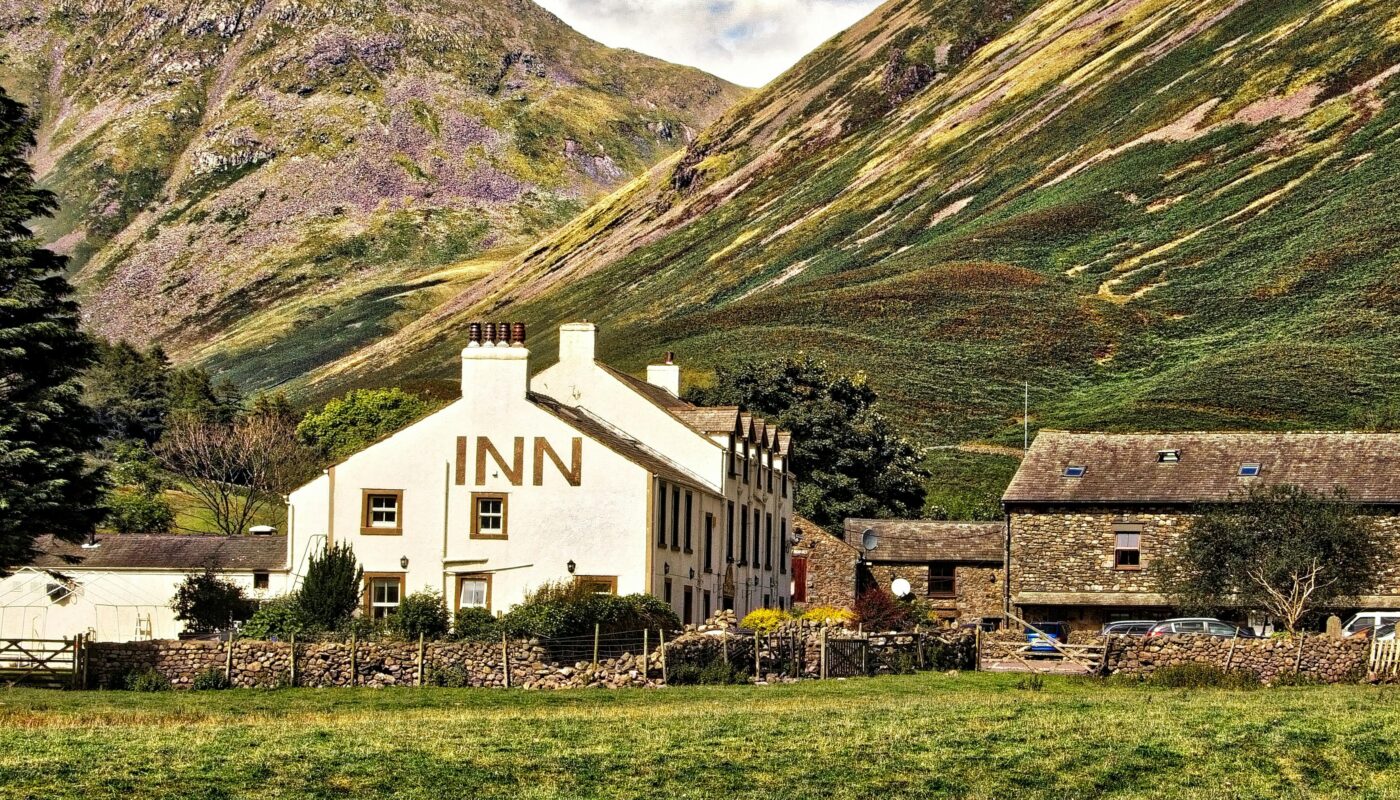
This shift led to the development of the first mountain inns. Unlike farms, inns were purpose-built accommodations designed specifically for travelers.
These early inns offered:
- Separate sleeping areas for guests
- Cooked meals served at set times
- Basic comforts that made longer stays possible
While still modest by modern standards, inns marked a significant step forward. They introduced the idea of hospitality as a service rather than a byproduct of daily life.
Importantly, they also made mountain travel more accessible. Visitors who might have been deterred by the lack of infrastructure now had reliable places to stay.
The Growth of Leisure Travel
The 19th century brought sweeping social and technological changes that reshaped mountain hospitality. Industrialization led to the rise of a middle class with both the means and the desire to travel. At the same time, advancements in transportation—especially railways—made remote regions easier to reach.
As a result, mountains became destinations for leisure rather than necessity. Visitors sought fresh air, scenic views, and a break from urban life. This growing interest fueled demand for better accommodations.
Mountain inns expanded, and new establishments began to appear, offering improved comfort and services. Hospitality was no longer just functional—it was becoming an experience.
The Birth of Mountain Hotels
To meet the expectations of this new wave of travelers, larger and more sophisticated properties emerged. Mountain hotels represented a major leap in hospitality, combining comfort with a sense of grandeur.
These hotels introduced features that were considered luxurious at the time:
- Spacious guest rooms
- Dedicated dining areas
- Social lounges and gathering spaces
- Enhanced services such as guided excursions
Often built in scenic locations, these hotels capitalized on their surroundings. Large windows, terraces, and balconies allowed guests to fully appreciate the landscape.
Mountain hotels also became social hubs, attracting a diverse mix of visitors, including artists, writers, and members of high society. Staying in such a hotel was not just about accommodation—it was about participating in a cultural experience.
The Influence of Winter Tourism
The early 20th century brought another major shift: the rise of winter tourism. Activities like skiing transformed mountains into year-round destinations, creating new opportunities for hospitality.
Villages that had once been quiet agricultural communities began to adapt. Hotels introduced winter-specific services, such as equipment storage and guided ski tours. New types of accommodations, including lodges and chalets, were designed to cater to seasonal visitors.
This period also saw the development of infrastructure such as ski lifts and cable cars, which made high-altitude areas more accessible. As a result, mountain hospitality became more specialized, focusing on the needs of winter travelers.
The concept of après-ski culture—socializing and relaxing after a day on the slopes—further enriched the experience, blending recreation with leisure.
Preserving Tradition: The Role of Mountain Huts
Despite the growth of large hotels, traditional mountain huts continued to play an important role. These simple structures, often located along hiking routes, preserved the essence of early hospitality.
Huts typically offer:
- Basic sleeping arrangements
- Shared meals
- A communal atmosphere
In recent years, many huts have evolved while maintaining their traditional character. Some now feature high-quality cuisine, blending local ingredients with modern culinary techniques.
This balance between tradition and innovation highlights a defining characteristic of mountain hospitality: its ability to evolve without losing its roots.
Modern Mountain Hospitality: Diversity and Innovation
Today, mountain hospitality is more diverse than ever. Travelers can choose from a wide range of accommodations, each offering a different experience:
- Rustic farm stays that emphasize authenticity
- Boutique lodges with personalized service
- Large resorts with extensive amenities
- Eco-conscious properties focused on sustainability
Modern guests are no longer satisfied with basic comfort alone. They seek experiences that are meaningful, immersive, and tailored to their interests.
This has led to several key trends:
Personalization
Hotels now focus on creating customized experiences, from curated activities to tailored dining options.
Sustainability
Environmental awareness has become a priority. Many properties use renewable energy, reduce waste, and source ingredients locally.
Wellness
Mountains are increasingly seen as places for rejuvenation. Wellness offerings, such as spa treatments, yoga sessions, and nature-based therapies, are now common.
Technology Integration
While maintaining traditional aesthetics, modern accommodations incorporate technology to enhance convenience and comfort.
Returning to Simplicity: The Rise of Farm Stays
Interestingly, as mountain hospitality has become more sophisticated, there has also been a renewed interest in simplicity. Farm stays and agritourism experiences have gained popularity, offering guests a chance to reconnect with nature and traditional ways of life.
In these settings, visitors can:
- Participate in daily farm activities
- Learn about local food production
- Experience the rhythms of rural life
This trend reflects a broader desire for authenticity and slower travel, where the journey is as important as the destination.
Challenges and Future Directions
Despite its growth, mountain hospitality faces several challenges:
- Climate change affecting snow patterns and ecosystems
- Overcrowding in popular destinations
- Balancing development with environmental preservation
To address these issues, the industry is adapting. Strategies include promoting year-round tourism, investing in sustainable infrastructure, and supporting local communities.
The future of mountain hospitality will likely depend on its ability to innovate while preserving the qualities that make it unique.
Conclusion
The evolution of mountain hospitality is a story of transformation—from survival to comfort, from simplicity to sophistication. Each stage reflects changing human relationships with the mountains, from fear and necessity to appreciation and enjoyment.
Yet despite these changes, one element remains constant: the spirit of hospitality itself. Whether offered in a humble hut, a family-run farm, or a luxury hotel, the essence lies in welcoming others and sharing the experience of the mountains.
As travelers continue to seek meaningful connections with nature and culture, mountain hospitality will undoubtedly continue to evolve—while staying rooted in the traditions that shaped it.