 by
by There’s a special kind of thrill in discovering that you are not alone in the wilderness—even when no animal is in sight. A faint imprint in the mud, a trail of disturbed leaves, or a subtle pattern pressed into snow can reveal the hidden movements of creatures that passed through long before you arrived. Wildlife tracking transforms a simple walk into a detective story, where every mark on the ground holds a clue.
Tracking is not about luck. It’s about observation, patience, and learning to interpret the language of nature. Whether you are wandering through forests, hiking alpine trails, or exploring snowy landscapes, understanding animal prints and patterns opens an entirely new dimension of outdoor adventure.
What Is Wildlife Tracking?
Wildlife tracking is the practice of identifying animals by the signs they leave behind. These signs can include:
- Footprints (tracks)
- Droppings (scat)
- Feeding marks
- Fur, feathers, or nests
- Movement patterns
Among these, footprints are often the most immediate and informative clues. They tell a story—not just of who passed by, but how, when, and sometimes even why.
Why Tracking Matters
Tracking is more than a recreational activity—it has practical and ecological importance.
Understanding Ecosystems
By identifying tracks, you gain insight into:
- Which species inhabit an area
- How they interact with their environment
- Seasonal behaviors and migration patterns
Enhancing Outdoor Awareness
Tracking sharpens your observational skills. You begin to notice:
- Subtle changes in terrain
- Patterns in vegetation
- Signs that might otherwise go unnoticed
A Deeper Connection to Nature
Instead of passively observing landscapes, you actively engage with them. Every trail becomes a narrative waiting to be interpreted.
The Basics of Animal Tracks
Before identifying specific prints, it’s important to understand the structure of tracks.
Key Elements
Most footprints can be analyzed based on:
- Toe count
- Claw marks
- Shape of the pad
- Size and spacing
These characteristics help distinguish between species.
Mammal Tracks: Common Patterns
Hoofed Animals
Animals like deer, elk, and goats leave distinct hoof prints.
What to Look For
- Two elongated, symmetrical halves
- Pointed or rounded tips
- Often found in open areas or near water sources
Carnivores
Predators such as wolves, foxes, and big cats leave tracks that are often more rounded.
Key Features
- Visible toe pads (usually four)
- Central pad with a unique shape
- Claw marks may or may not be visible
Rodents and Small Mammals
Smaller animals like squirrels and rabbits leave lighter, more delicate tracks.
Patterns
- Paired or grouped prints
- Irregular spacing
- Often accompanied by signs of feeding
Bird Tracks: Light but Telling
Bird tracks are often overlooked but can be incredibly informative.
Identifying Features
- Three forward-facing toes
- Sometimes a backward toe
- Fine lines or scratches in soft ground
Behavior Clues
Bird tracks can reveal:
- Feeding activity
- Direction of movement
- Interaction with other animals
Patterns of Movement: The Story Behind the Tracks
Tracks alone are useful, but patterns tell a deeper story.
Walking
- Even spacing between prints
- Straight or gently curved lines
Running
- Longer distances between tracks
- Deeper impressions due to speed
Bounding
Common in animals like rabbits:
- Groups of four prints
- Larger hind prints ahead of smaller front prints
Meandering
Indicates:
- Searching behavior
- Feeding or exploration
Tracking in Different Environments
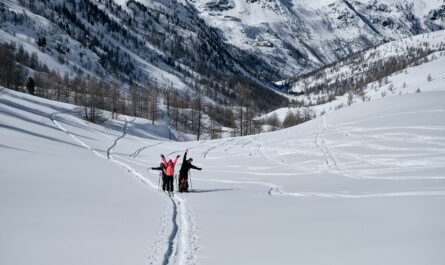
Snow: The Perfect Canvas
Snow preserves tracks with remarkable clarity.
Advantages
- Detailed impressions
- Easy to follow trails
- Clear visibility of movement patterns
Mud and Wet Soil
Mud captures deep, defined prints.
Challenges
- Tracks may overlap
- Edges can blur over time
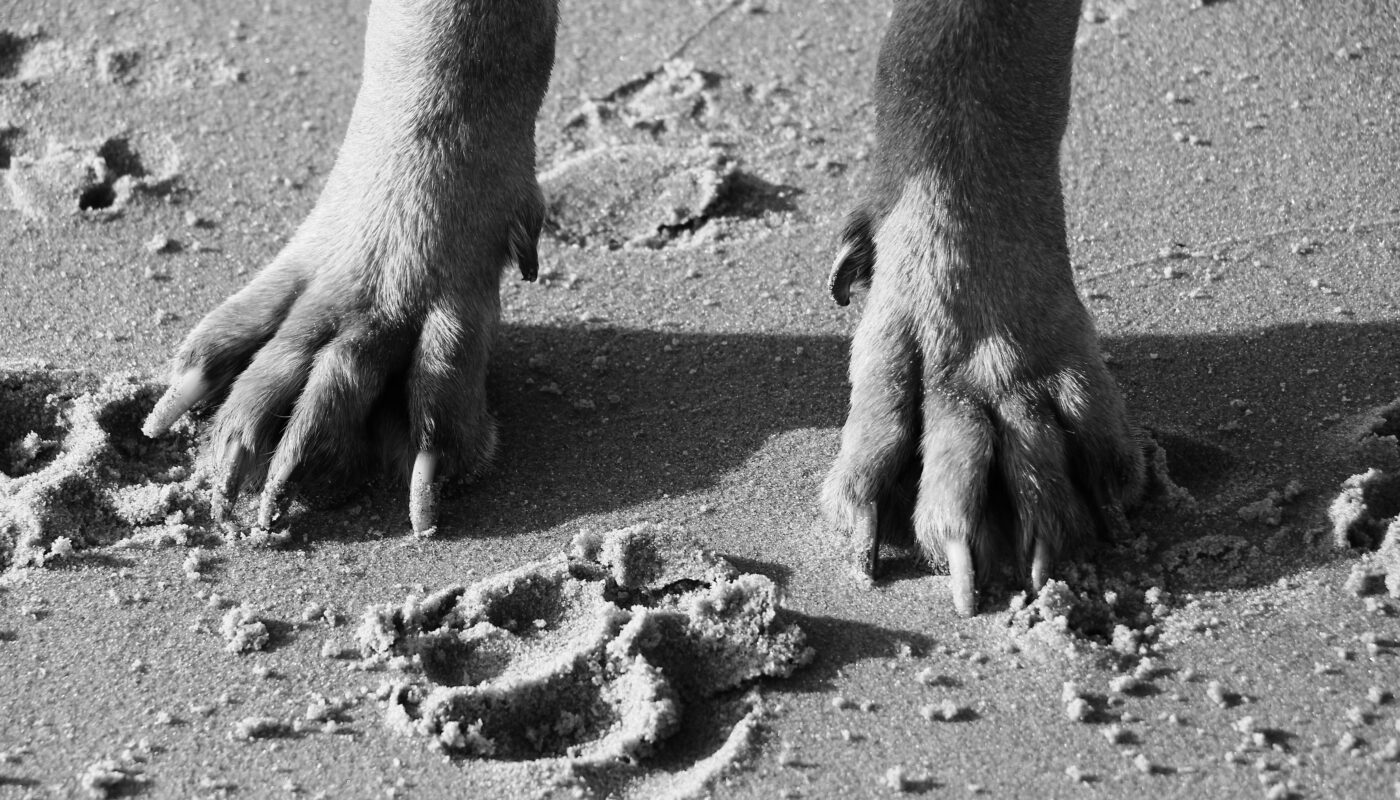
Sand
Common near beaches and deserts.
Observations
- Tracks may be less detailed
- Wind can quickly erase patterns
Forest Floors
Leaves and debris can obscure tracks, but subtle signs remain:
- Disturbed leaves
- Broken twigs
- Flattened grass
Reading Age and Freshness
Determining how recent a track is adds another layer to tracking.
Fresh Tracks
- Sharp edges
- Clear details
- No signs of weathering
Older Tracks
- Rounded or eroded edges
- Filled with debris
- Distorted by weather
Environmental Clues
Consider:
- Recent rainfall
- Wind patterns
- Temperature changes
These factors influence how tracks age.
Interpreting Behavior
Tracks are not just about identification—they reveal behavior.
Hunting or Feeding
Look for:
- Sudden changes in direction
- Clusters of prints
- Signs of disturbance
Resting
- Concentrated area of tracks
- Flattened vegetation
Interaction
Multiple sets of tracks can indicate:
- Social behavior
- Predator-prey encounters
Tools for Tracking
While tracking can be done with the naked eye, a few tools can enhance the experience.
Useful Items
- Field guides for identification
- A notebook for sketches and observations
- A camera to document findings
- Measuring tools for track size
Ethical Tracking Practices
Tracking should always be done responsibly.
Respect Wildlife
- Do not disturb animals
- Avoid following tracks too closely if animals may be nearby
Preserve the Environment
- Avoid damaging habitats
- Stay on established paths when possible
Leave No Trace
- Do not alter tracks unnecessarily
- Respect natural settings
Tracking as a Skill
Like any skill, tracking improves with practice.
Start Small
Begin with:
- Common animals
- Familiar environments
Observe Regularly
Repeated observation helps you:
- Recognize patterns
- Build confidence
Learn From Experts
Guided tracking walks or workshops can accelerate learning.
Seasonal Tracking Adventures
Winter
- Best for clear, detailed tracks
- Easier to follow long trails
Spring
- Muddy conditions reveal fresh prints
- Increased animal activity
Summer
- Tracks may be harder to spot
- Focus on indirect signs
Autumn
- Soft ground and fallen leaves create unique tracking opportunities
The Joy of Discovery
One of the most rewarding aspects of tracking is the sense of discovery.
Unexpected Encounters
Even without seeing the animal, you may uncover:
- Evidence of rare species
- Signs of nocturnal activity
- Hidden interactions
A New Perspective
Tracking changes how you experience nature. You begin to see landscapes not just as scenery, but as active environments filled with life.
Final Thoughts
Wildlife tracking is an adventure that doesn’t require speed or distance—only attention and curiosity. Every print in the soil, every pattern in the snow, and every subtle disturbance tells a story waiting to be understood.
By learning to read these signs, you step into a quieter, more observant way of exploring the natural world. You begin to notice what others overlook and appreciate the complexity of ecosystems that operate just beyond immediate view.
In the end, tracking is not just about identifying animals—it’s about deepening your relationship with nature. It invites you to slow down, look closer, and recognize that every step you take outdoors is part of a much larger, ongoing story.