 by
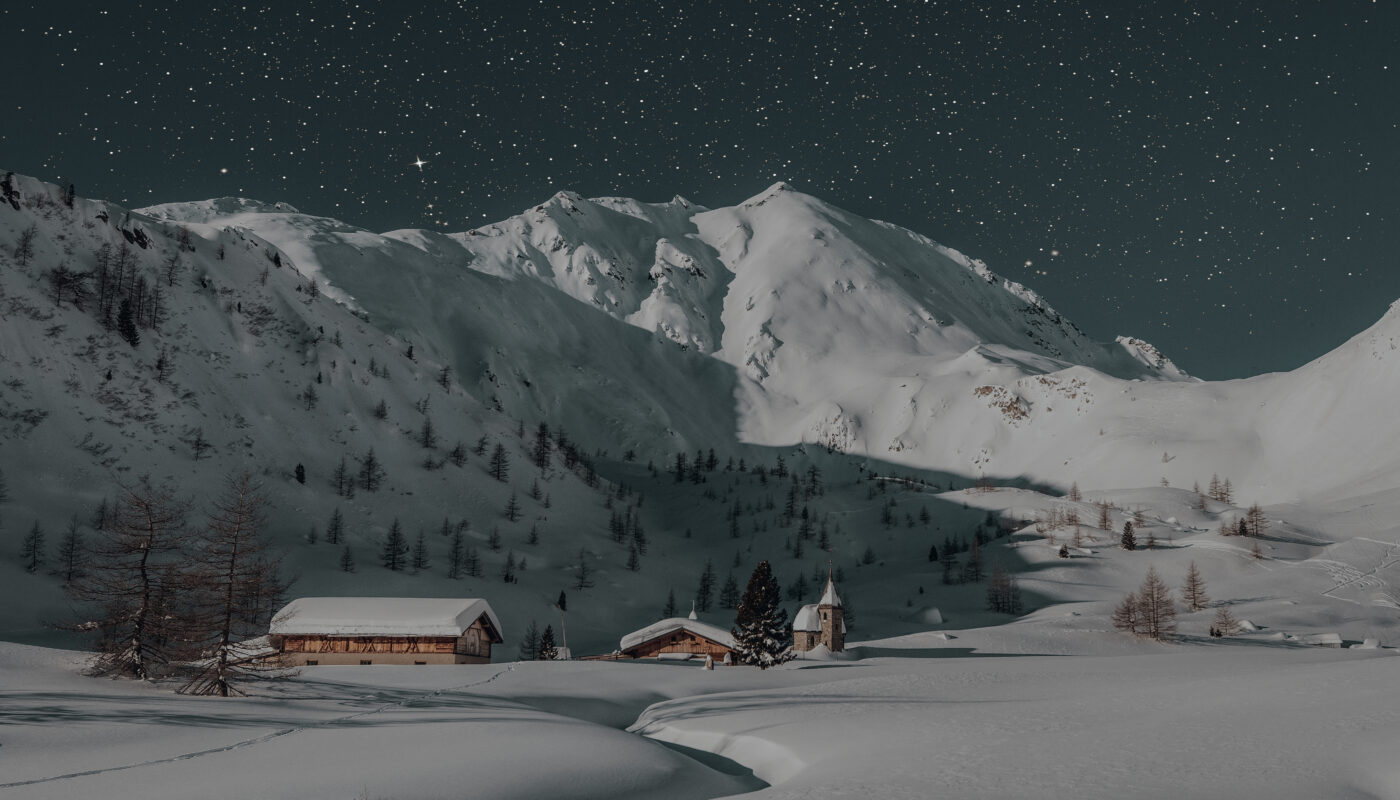
by There are landscapes that impress you in daylight, and then there are those that reveal their true magic only after sunset. Mount Rigi belongs firmly in the second category—especially in winter, when snow-covered slopes glow softly under moonlight and the surrounding lakes shimmer like dark mirrors.
Often called the “Queen of the Mountains,” Rigi offers one of the most accessible yet visually dramatic alpine environments in Switzerland. But when night falls and the moon rises, the experience shifts entirely. The crowds disappear, the air sharpens, and the landscape transforms into a quiet, luminous scene that feels almost unreal.
Capturing this atmosphere through photography requires more than technical knowledge—it requires patience, awareness of light, and an appreciation for subtle detail. This guide explores how to photograph Rigi in winter under moonlight, offering practical advice alongside creative inspiration.
Why Rigi Stands Out for Night Photography
Not all mountains are equally suited to night photography, but Rigi has a unique combination of features that make it particularly rewarding.
A Landscape Shaped by Light
Rigi’s position between Lake Lucerne, Lake Zug, and Lake Lauerz creates a natural system of reflection. Moonlight bounces off snow and water, amplifying brightness and giving the landscape a soft, silvery glow.
Open, Panoramic Terrain
Unlike heavily forested mountains, Rigi offers wide, unobstructed views. This makes it easier to compose expansive night scenes with depth and balance.
Accessibility After Dark
Thanks to its well-developed transport system—including mountain railways and cable cars—Rigi is more accessible at night than many alpine peaks. This allows photographers to focus on creativity rather than logistics.
The Unique Beauty of Moonlight on Snow
Winter changes the rules of night photography.
Snow acts as a natural reflector, dramatically increasing the available light. On a clear night with a bright moon, the landscape can appear almost as if it’s lit by a faint, cool daylight.
On Rigi, this effect is especially striking because:
- The snow cover is often consistent and unbroken
- The air is clean and dry, enhancing clarity
- The terrain allows light to spread evenly
This means you can capture detailed images without pushing your camera to extreme settings.
Best Locations for Moonlit Photography on Rigi
Choosing where to shoot is just as important as how you shoot.
Rigi Kulm
The summit area is the most iconic location on Rigi.
- Offers sweeping 360-degree views
- Ideal for capturing the moon over distant peaks
- Perfect for wide-angle landscapes
This is where you’ll find the most dramatic compositions, especially on clear nights.
Rigi Scheidegg
For a quieter experience, this area is an excellent choice.
- Fewer visitors
- Strong side perspectives of the lakes
- Ideal for minimalist, atmospheric shots
Rigi Kaltbad
This location adds a human element to your images.
- Warm village lights contrast with cool moonlight
- Balanced compositions between nature and architecture
- Easier access and facilities
Timing Your Shoot for the Best Results
Night photography is heavily influenced by timing, and small changes can make a big difference.
Moon Phases Matter
- Full moon: Bright, evenly lit landscapes
- Gibbous moon: Slightly softer light with deeper shadows
- New moon: Best for stars, but less useful for illuminated landscapes
For Rigi in winter, a near-full moon is usually ideal.
Weather Conditions
Clear skies provide sharp visibility, but thin clouds can add texture by diffusing moonlight. Completely overcast skies, however, will block light entirely.
Arrive Early
Reaching your location before sunset allows you to:
- Scout compositions
- Set up equipment safely
- Capture the transition from twilight to night
Camera Settings for Moonlit Winter Scenes
Photographing snow at night requires careful adjustments to avoid overexposure and noise.
Start with These Settings
- ISO: 100–400
- Aperture: f/8 to f/11
- Shutter speed: 5–30 seconds
Because snow reflects light, you can often use lower ISO values than expected.
Use Manual Focus
Autofocus can struggle in low light. Switch to manual focus and aim for distant lights or the horizon to ensure sharpness.
Adjust Exposure Carefully
Snow can trick your camera’s meter into overexposing. Slightly underexpose your shot to preserve detail.
White Balance Considerations
Moonlight tends to produce a cool blue tone. You can:
- Keep it for atmosphere
- Adjust it for a more neutral look
Composition Techniques That Make a Difference
Technical accuracy is important, but composition is what turns a photo into something memorable.
Use Natural Lines
Paths, ridges, and slopes can guide the viewer’s eye through the image.
Add Foreground Interest
Include elements such as:
- Snow-covered trees
- Rocks or fences
- Footprints in the snow
These create depth and context.
Capture Reflections
The surrounding lakes can produce subtle reflections, adding symmetry and visual interest.
Work with Shadows
Moonlight creates long, soft shadows that add texture and dimension to the scene.
Creative Approaches to Try
Once you’re comfortable with the basics, experiment with different styles.
Silhouettes
Position a subject—such as a person or tree—against the brighter background for dramatic contrast.
Star Trails
Use long exposures or stacked images to show the movement of stars across the sky.
Light Accents
Introduce subtle artificial light to highlight foreground elements without overpowering the natural scene.
Time-Lapse Photography
Capture the movement of clouds or the shifting position of the moon over time.
Preparing for Cold and Darkness
Night photography in winter conditions requires preparation beyond your camera gear.
Dress for the Environment
- Wear layered clothing
- Use insulated gloves
- Choose waterproof footwear
Bring Essential Equipment
- Headlamp or flashlight
- Extra batteries (cold drains power quickly)
- Spare memory cards
Stay Safe
Stick to known paths and be aware of your surroundings. Conditions can change quickly in alpine environments.
The Experience Beyond the Camera
What makes photographing Rigi at night truly special isn’t just the images—it’s the atmosphere.
The silence is deeper. The air feels sharper. Without the distractions of daytime activity, you become more aware of your surroundings.
Standing on a snow-covered ridge under a bright moon, with the faint outlines of distant mountains stretching into the horizon, creates a sense of calm that is difficult to replicate elsewhere.
This emotional connection often translates into more powerful photographs—images that feel as much as they show.
Common Mistakes to Avoid
Even experienced photographers can struggle in these conditions.
Overexposing Snow
Always check your histogram and adjust exposure to retain detail.
Ignoring Composition
A beautiful landscape alone isn’t enough—structure your shot carefully.
Rushing the Process
Take your time to experiment with different settings and perspectives.
Underestimating the Cold
Cold weather affects both you and your equipment. Plan accordingly.
Final Thoughts
Capturing Mount Rigi in winter moonlight is an experience that goes beyond photography. It’s about observing how light interacts with snow, how silence shapes perception, and how a familiar landscape can transform after dark.
With the right preparation, thoughtful composition, and a willingness to slow down, you can create images that reflect not just the scene in front of you, but the feeling of being there.
In a fast-paced world, moments like these—standing quietly under a glowing moon in the Alps—offer something rare: clarity, stillness, and a deeper connection to both nature and creativity.