 by
by High above the shimmering waters of Lake Lucerne, Mount Rigi rises as one of Switzerland’s most beloved natural escapes. Often called the “Queen of the Mountains,” it offers sweeping alpine views, gentle trails, and—perhaps most importantly—a rare sense of calm. In an age where stress and digital overload dominate daily life, Mount Rigi has quietly become a sanctuary for a growing wellness practice: forest therapy.
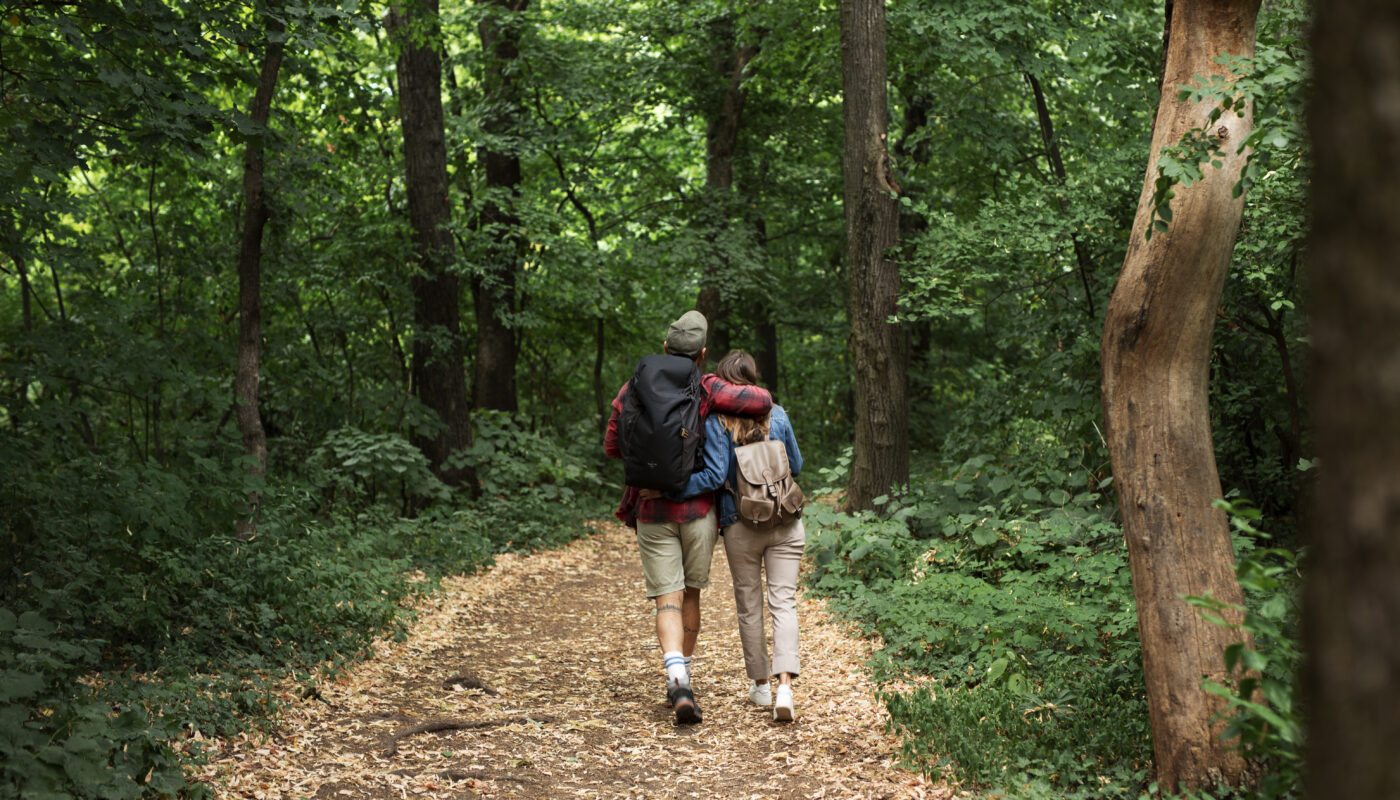
Forest therapy is not about conquering peaks or completing long treks. Instead, it invites you to slow down, engage your senses, and reconnect with the natural world. On Mount Rigi, this practice transforms an ordinary walk into a deeply restorative experience—one that nourishes both body and mind.
Understanding Forest Therapy
Forest therapy, sometimes referred to as forest bathing, is inspired by the Japanese concept of shinrin-yoku, which translates to “taking in the forest atmosphere.” It is a mindful approach to spending time in wooded environments, focusing on awareness rather than physical exertion.
Unlike traditional hiking, which often emphasizes distance, speed, or fitness, forest therapy encourages:
- Slow, deliberate movement
- Deep breathing and relaxation
- Awareness of sights, sounds, and textures
- A non-judgmental, present-focused mindset
This practice has gained global recognition as a simple yet powerful way to improve well-being. It is accessible to people of all ages and fitness levels, requiring no special equipment—only time and openness.
Why Mount Rigi Is Ideal for Forest Therapy
Not all natural settings are equally suited to forest therapy. Mount Rigi stands out because of its unique combination of accessibility, tranquility, and ecological diversity.
A Landscape Designed for Calm
Unlike heavily trafficked tourist destinations, much of Mount Rigi remains quiet and undisturbed. Limited vehicle access helps preserve the peaceful atmosphere, allowing natural sounds—wind through trees, birdsong, distant cowbells—to take center stage.
This absence of noise is essential for forest therapy. It creates an environment where the mind can settle and the senses can awaken.
Rich Biodiversity
Mount Rigi’s varied terrain supports a wide range of plant and animal life. Forests transition into meadows, and meadows give way to rocky viewpoints. Along the way, visitors encounter:
- Native tree species such as beech, spruce, and fir
- Seasonal wildflowers that change with elevation
- Insects, birds, and small mammals adapted to alpine ecosystems
This diversity enhances the sensory experience, making each walk unique and engaging.
Extensive and Gentle Trails
Mount Rigi offers a network of well-maintained paths suitable for all levels. Many trails are relatively gentle, making them ideal for slow, mindful walking rather than strenuous hiking.
These routes allow visitors to focus less on physical effort and more on observation and presence—key elements of forest therapy.
The Science Behind Nature’s Healing Power
Forest therapy is more than a philosophical idea; it is supported by scientific research exploring how natural environments affect human health.
Stress Reduction
One of the most immediate benefits of spending time in forests is a reduction in stress. Exposure to natural settings helps lower cortisol levels—the hormone associated with tension and anxiety.
As stress decreases, the body shifts into a more relaxed state, supporting recovery and overall well-being.
Improved Physical Health
Time spent in forest environments has been linked to:
- Lower blood pressure
- Reduced heart rate
- Improved immune function
Some of these effects are believed to be influenced by natural compounds released by trees, as well as the calming impact of the environment itself.
Mental Clarity and Emotional Balance
Forest therapy also benefits mental health. The combination of fresh air, natural light, and sensory engagement helps:
- Reduce mental fatigue
- Improve focus and concentration
- Enhance mood and emotional stability
On Mount Rigi, where panoramic views complement forested paths, these effects are often amplified.
What Happens During a Forest Therapy Walk?
A forest therapy walk is not structured like a typical hike. It unfolds slowly and intentionally, allowing participants to fully engage with their surroundings.
Beginning with Stillness
The experience often begins with a pause. Standing quietly at the edge of the forest, you take a few deep breaths and allow your mind to settle.
This simple act marks a transition—from the outside world into a more mindful state.
Awakening the Senses
As you begin walking, attention shifts to the senses:
- Sight: noticing patterns of light and shadow
- Sound: listening to subtle natural rhythms
- Touch: feeling textures like bark or leaves
- Smell: breathing in earthy, fresh scents
These observations anchor you in the present moment.
Slowing Down
Movement during forest therapy is intentionally slow. There is no goal to reach, no distance to cover. The journey itself becomes the focus.
This slower pace allows you to notice details that are often overlooked in everyday life.
Moments of Reflection
Throughout the walk, pauses are encouraged. Sitting quietly or simply standing still provides time for reflection and deeper awareness.
On Mount Rigi, scenic viewpoints overlooking lakes and valleys offer ideal spaces for contemplation.
Guided vs. Self-Guided Experiences
Guided Forest Therapy Walks
Some visitors choose to join guided sessions led by trained facilitators. These experiences often include:
- Breathing exercises
- Mindfulness prompts
- Opportunities for group reflection
Guided walks can be especially helpful for those new to the practice.
Self-Guided Exploration
Others prefer to explore independently. Mount Rigi’s peaceful trails make it easy to create a personal forest therapy experience.
All that is required is a willingness to slow down and engage with the environment.
Seasonal Variations in Forest Therapy
Each season on Mount Rigi offers a distinct atmosphere, shaping the forest therapy experience in different ways.
Spring: Awakening
Spring brings fresh growth, vibrant greens, and the return of wildlife activity. It is a season of renewal, making it ideal for those seeking a sense of new beginnings.
Summer: Abundance
In summer, forests are dense and full of life. Warm temperatures and long days create a rich sensory environment.
Autumn: Reflection
Autumn transforms the landscape with warm colors and crisp air. Falling leaves and quieter surroundings encourage introspection.
Winter: Stillness
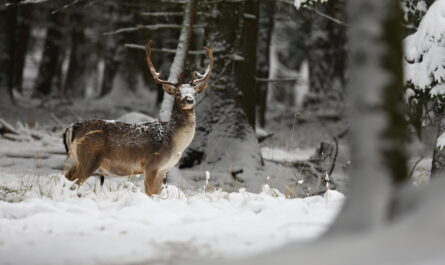
Winter offers a unique kind of peace. Snow-covered forests absorb sound, creating an almost silent environment that enhances mindfulness.
Combining Forest Therapy with Wellness Experiences
Mount Rigi is not only a destination for nature lovers but also for wellness seekers. Many visitors combine forest therapy with relaxation experiences such as spa visits or thermal baths.
After a mindful walk, soaking in warm mineral waters can deepen the sense of restoration and balance.
Practical Tips for Forest Therapy on Mount Rigi
To get the most out of your experience:
- Leave digital distractions behind or keep them to a minimum
- Wear comfortable clothing and suitable footwear
- Choose quieter trails to avoid crowds
- Allow yourself plenty of time—avoid rushing
- Approach the experience with curiosity rather than expectation
Forest therapy is personal. There is no right or wrong way to do it.
Why Forest Therapy Matters Today
Modern life often disconnects people from nature. Screens, schedules, and constant stimulation leave little room for stillness.
Forest therapy offers a simple yet powerful counterbalance. It reminds us that:
- Rest is essential for well-being
- Nature can restore both body and mind
- Slowing down can lead to deeper awareness
Mount Rigi provides a setting where these insights become tangible.
Reconnecting with Nature—and Ourselves
At its core, forest therapy is about connection. It helps bridge the gap between humans and the natural world, reminding us that we are part of a larger ecosystem.
Walking through forests, feeling the ground beneath your feet, and breathing in fresh mountain air can shift your perspective. It encourages a sense of belonging and balance.
Conclusion
Forest therapy walks on Mount Rigi offer more than just a scenic outing—they provide a pathway to healing. Through slow movement, sensory awareness, and mindful presence, these experiences nurture both physical health and emotional well-being.
In a setting where forests meet panoramic alpine views, the act of simply being becomes transformative. Whether guided or self-led, each walk offers an opportunity to step away from stress and reconnect with what truly matters.
Ultimately, forest therapy is not about escaping life—it is about returning to it with greater clarity, calm, and connection.